
Introduction
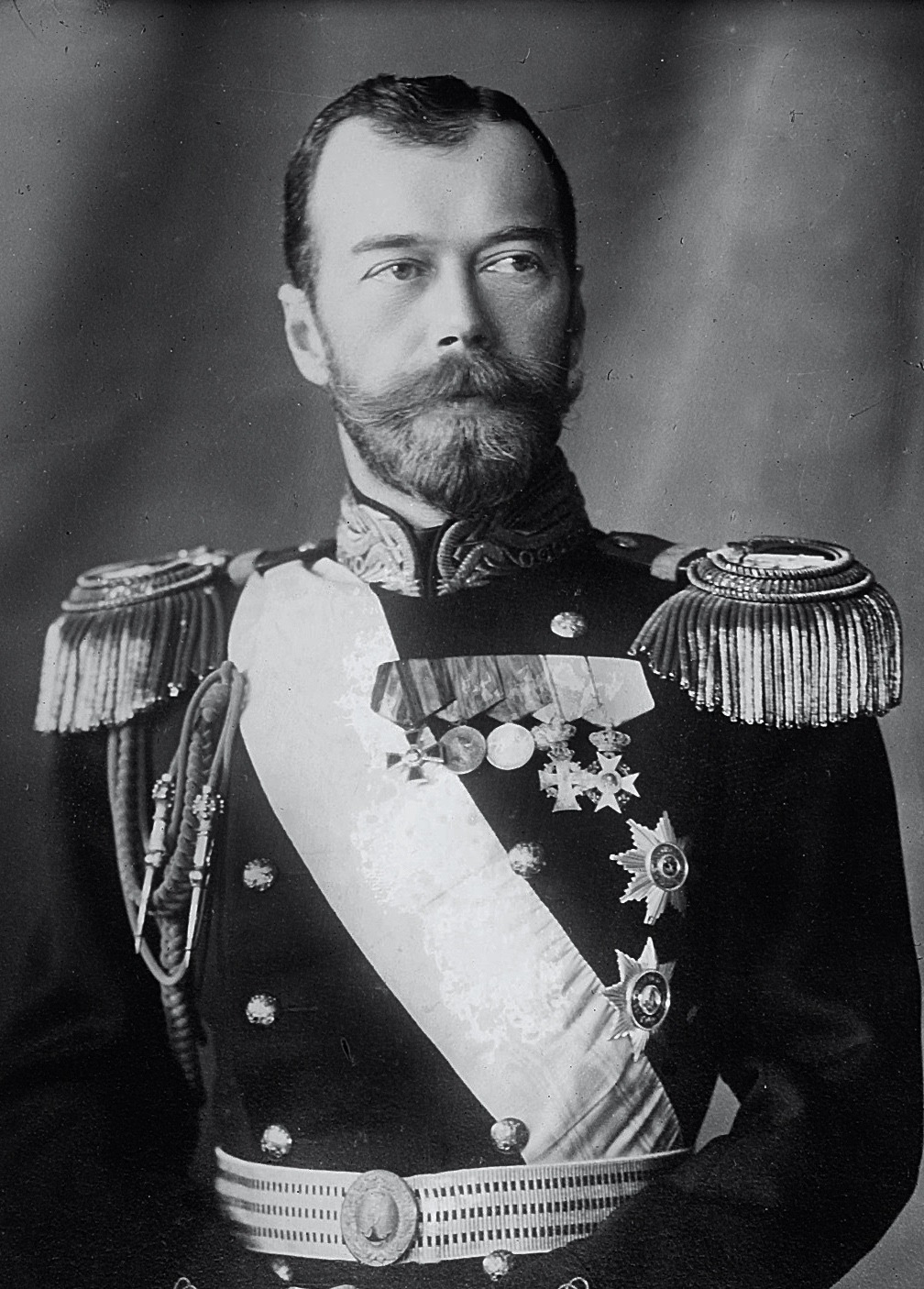
Nicola II Romanov, the last Emperor of Russia, represents a significant figure in world history, whose life encapsulates the tumultuous transition from imperial rule to revolutionary fervor. Born into an era of grandeur and tradition, Nicola II’s reign witnessed the twilight of the Romanov dynasty, marking the end of over three centuries of autocratic rule in Russia. His life, full of contradictions and complexities, continues to intrigue historians and the public alike. This article delves deep into the life, fame, and critical moments that defined Nicola II, exploring his personal and political journey, the challenges he faced, and the legacy he left behind.
Early Life and Education
Birth and Heritage
Nicola II Romanov, born Nikolaj Aleksandrovič Romanov on May 6, 1868, in Carskoe Selo (now a part of modern-day Russia), was the eldest son of Emperor Alexander III and Empress Maria Feodorovna. As the heir to the Russian throne, Nicola was groomed for leadership from a young age, yet his upbringing in the imperial court was marked by strict discipline and a profound sense of duty, characteristics that would shape his personality and approach to governance.
Education and Military Training
Nicola received a comprehensive education, which included studies in political science, economics, and military tactics. He attended the prestigious St. Petersburg University, where he immersed himself in the subjects that would later influence his policies as Tsar. Additionally, Nicola underwent rigorous military training at the Academy, preparing him for the dual role of a statesman and a military leader. Despite his extensive education, Nicola was often described as shy and reserved, traits that some historians argue contributed to his perceived inadequacy as a ruler.
Ascension to the Throne
The Death of Alexander III
In November 1894, following the sudden death of his father, Alexander III, Nicola ascended to the Russian throne, marking the beginning of a reign that would soon be marred by internal strife and external challenges. Shortly after his coronation, Nicola married Princess Alix of Hesse (renamed Alexandra Feodorovna after converting to Orthodoxy), a union that would significantly influence his personal and political life.
A Shaky Start
Nicola II’s early years as Tsar were marked by a series of missteps and challenges that revealed his inexperience and indecisiveness. His reign began at a time of significant social and economic upheaval in Russia, with growing discontent among the peasantry and the working class. Nicola’s reluctance to implement meaningful reforms, combined with his reliance on conservative advisors, only exacerbated these issues, leading to widespread unrest.
Foreign Policy and War
The Franco-Russian Alliance
One of Nicola II’s early foreign policy successes was the strengthening of Russia’s alliance with France, a relationship that would prove crucial in the years leading up to World War I. In 1898-1899, Nicola promoted the Hague Peace Conference, an international effort aimed at promoting peace and disarmament. However, despite these diplomatic efforts, Russia’s foreign policy under Nicola II would soon take a more aggressive turn.
The Russo-Japanese War
In 1904, Nicola II’s ambitions for territorial expansion in Asia led to the Russo-Japanese War, a conflict that would have devastating consequences for Russia. The war, which was sparked by Nicola’s attempts to assert Russian influence in Manchuria and Korea, ended in a humiliating defeat for the Russian Empire. The loss of Port Arthur and other strategic territories, combined with the heavy human and economic toll of the war, significantly undermined Nicola’s credibility as a leader and fueled growing dissatisfaction at home.
Internal Struggles and the Revolution of 1905
The Rise of Discontent
The defeat in the Russo-Japanese War, coupled with economic hardships and social inequality, sparked widespread unrest across Russia. The Revolution of 1905, often seen as a precursor to the larger revolution of 1917, was marked by strikes, protests, and violent clashes between the authorities and the public. One of the most significant events of this period was the Bloody Sunday massacre in January 1905, when peaceful protesters in St. Petersburg were fired upon by the Imperial Guard, leading to hundreds of deaths.
The Creation of the Duma
In response to the growing unrest, Nicola II reluctantly agreed to implement a series of political reforms, including the establishment of the State Duma, Russia’s first legislative assembly. However, Nicola’s continued efforts to undermine and dissolve the Duma, coupled with his refusal to relinquish autocratic power, only deepened the divide between the monarchy and the Russian people.
The First World War and the Fall of the Romanovs
Russia’s Role in World War I
In 1914, Nicola II made the fateful decision to involve Russia in World War I, siding with the Allied Powers against Germany and Austria-Hungary. The war effort placed an enormous strain on Russia’s already fragile economy, leading to severe shortages of food and other essential goods. As the war dragged on, Russia suffered a series of devastating defeats on the battlefield, further eroding public confidence in Nicola’s leadership.
The February Revolution and Abdication
By early 1917, Russia was on the brink of collapse. The February Revolution, which began as a series of strikes and protests in Petrograd (now St. Petersburg), quickly escalated into a full-scale uprising against the Romanov dynasty. Facing mounting pressure from the military, political elites, and the public, Nicola II was forced to abdicate the throne in March 1917, bringing an end to over 300 years of Romanov rule.
The Fate of Nicola II and His Family
Imprisonment and Execution
Following his abdication, Nicola II and his family were placed under house arrest by the Provisional Government. In the aftermath of the October Revolution, which brought the Bolsheviks to power, the Romanovs were moved to the remote city of Ekaterinburg in the Ural Mountains. On the night of July 16-17, 1918, Nicola II, along with his wife Alexandra and their five children—Olga, Tatiana, Maria, Anastasia, and Alexei—were executed by Bolshevik forces in the basement of the Ipatiev House, where they had been imprisoned.
The End of an Era
The execution of Nicola II and his family marked the brutal end of the Romanov dynasty and the beginning of a new era in Russian history. The Bolsheviks’ rise to power and the subsequent establishment of the Soviet Union would forever alter the course of global politics, leading to decades of ideological conflict and the Cold War.
Nicola II’s Legacy
Sainthood and Historical Debate
In the decades following his death, Nicola II’s legacy has been the subject of intense debate among historians, with opinions ranging from those who view him as a tragic figure, ill-suited to the challenges of his time, to those who see him as a symbol of autocratic oppression. In 2000, the Russian Orthodox Church canonized Nicola II and his family as martyrs, recognizing their suffering and death at the hands of the Bolsheviks. This decision has been both celebrated and criticized, reflecting the ongoing complexity of Nicola II’s place in Russian and world history.
Conclusion
Nicola II Romanov’s life was marked by contradictions—he was a ruler who sought to preserve the traditions of the past, yet his reign heralded the dawn of a new and turbulent era. His inability to adapt to the changing political landscape and his reluctance to implement meaningful reforms ultimately led to the downfall of the Romanov dynasty and the rise of the Soviet state. Despite his tragic end, Nicola II’s story remains a powerful reminder of the fragility of power and the forces of history that shape the world we live in today.


