
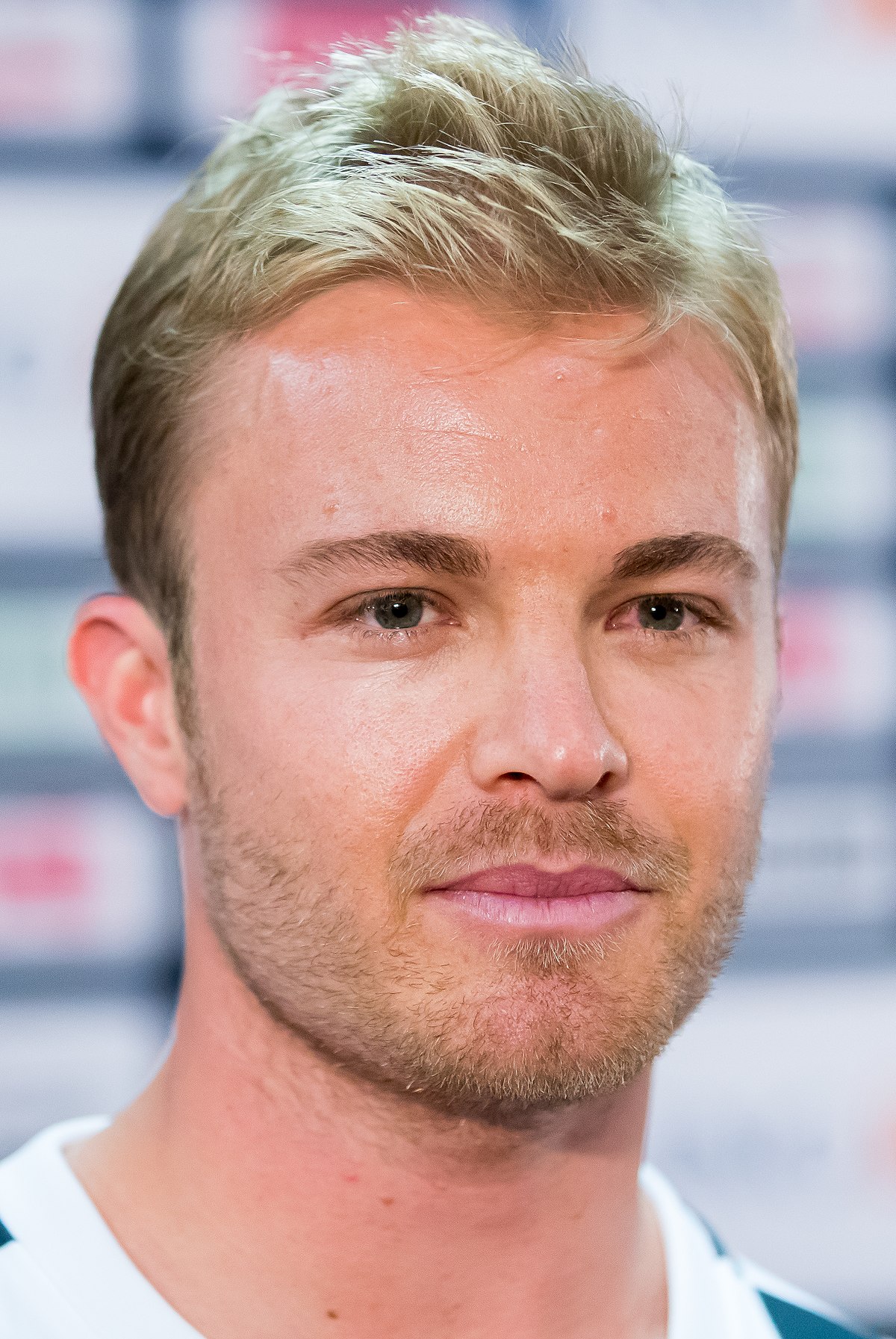
Nico Rosberg, born on June 27, 1985, in Wiesbaden, Germany, is a name synonymous with success and determination in the world of Formula 1. The son of Keke Rosberg, the 1982 Formula 1 World Champion, Nico carved his path to glory with a unique blend of talent, hard work, and strategic thinking. His rise to fame, culminating in his 2016 World Championship win, is a story of perseverance, rivalry, and the relentless pursuit of excellence.
Early Life and Introduction to Motorsports
Born into a family with deep roots in motorsports, Nico Rosberg’s journey to Formula 1 seemed almost predestined. His father, Keke Rosberg, was not only a champion but also a significant influence in Nico’s early life, guiding him through the early stages of his racing career. Raised in the luxurious surroundings of Monte Carlo, Nico was exposed to the world of high-speed racing from a young age.
Rosberg’s introduction to motorsports began with karting at the tender age of 11. His natural aptitude for racing was evident from the start, and he quickly progressed through the ranks. By 1996, Nico was already making waves in the karting world, showcasing a level of skill that hinted at the success that was to come.
Climbing the Ranks: From Formula BMW to GP2
Nico Rosberg’s professional racing career took off in 2002 when he debuted in the German Formula BMW series. His performance was nothing short of spectacular, as he clinched the championship title by winning nine out of twenty races. This early success opened the door for Rosberg to test drive a Formula 1 car for the first time, making him the youngest driver ever to do so at the time.
Following his triumph in Formula BMW, Rosberg moved up to the Formula 3 Euro Series, where he continued to impress. In his first year, he finished eighth in the standings, and in the following year, he improved to fourth, securing four race victories along the way. These achievements marked Rosberg as one of the most promising young drivers in motorsports.
In 2005, Rosberg made the leap to the newly established GP2 Series, driving for the AT Grand Prix team. His battle with Heikki Kovalainen for the championship that year was one of the most thrilling in the history of the series. Rosberg emerged victorious, becoming the first-ever GP2 champion, a title that would be a springboard to his Formula 1 career.
Breaking into Formula 1: The Williams Years
Nico Rosberg’s entry into Formula 1 came in 2006 when he was signed by the Williams team. His debut race at the Bahrain Grand Prix was a remarkable one, as he finished seventh and set the fastest lap of the race, becoming the youngest driver in F1 history to do so at the time. Despite the promising start, Rosberg’s first season was marred by the Williams car’s lack of reliability, and he managed only a few points finishes throughout the year.
The 2007 season saw Rosberg continuing with Williams, this time alongside teammate Alexander Wurz. While the season had its share of challenges, including a car that struggled to compete at the top level, Rosberg managed to deliver solid performances. His best result came at the Brazilian Grand Prix, where he finished fourth, helping him to end the season in ninth place in the standings with 20 points.
The 2008 season began on a high note for Rosberg, as he secured his first-ever podium finish at the Australian Grand Prix. However, the remainder of the season proved difficult, with the Williams car failing to consistently deliver the performance needed to challenge the front-runners. Rosberg finished the season with 17 points, placing 13th in the drivers’ standings.
A New Chapter with Mercedes
In 2010, Rosberg made a significant career move by joining the newly reformed Mercedes team, which had taken over the championship-winning Brawn GP outfit. His teammate was none other than the legendary Michael Schumacher, who was making a comeback to the sport. The partnership was highly anticipated, but the Mercedes car was not as competitive as hoped, limiting both drivers’ ability to fight for wins.
Despite these challenges, Rosberg quickly established himself as the stronger of the two Mercedes drivers, consistently outqualifying and outracing Schumacher. He finished the 2010 season in seventh place in the championship, with three podium finishes to his name. This performance was a clear indication of Rosberg’s growing maturity and skill as a driver.
The 2011 season followed a similar pattern, with Rosberg once again outperforming Schumacher. The Mercedes car continued to lag behind the leading teams, but Rosberg’s consistency helped him secure seventh place in the drivers’ standings for the second consecutive year. His best finish came at the Chinese Grand Prix, where he led the race for several laps before eventually finishing fifth.
First Victory and Rising Through the Ranks
The 2012 season was a turning point in Rosberg’s career. At the Chinese Grand Prix, he achieved his first-ever Formula 1 victory, dominating the race from pole position. This win was not only a personal milestone but also a significant moment for Mercedes, marking their return to the top step of the podium as a full works team. Rosberg’s victory was followed by a series of strong performances throughout the season, including a podium finish at the Monaco Grand Prix, one of the most prestigious events on the F1 calendar.
However, the latter half of the season was less successful, with Rosberg suffering from a series of retirements and poor finishes. Despite these setbacks, he finished the season in ninth place in the championship, demonstrating his potential as a future world champion.
The 2013 season saw the arrival of Lewis Hamilton at Mercedes, setting the stage for one of the most intense and closely watched rivalries in Formula 1 history. Rosberg and Hamilton, who had been friends since their karting days, now found themselves in direct competition for the same goal: winning the Formula 1 World Championship. Rosberg secured two victories that season, at Monaco and Silverstone, and finished sixth in the standings, while Hamilton finished fourth.
The Rivalry with Lewis Hamilton and the Road to the Championship
The 2014 season marked the beginning of the turbo-hybrid era in Formula 1, and Mercedes emerged as the dominant force, with Rosberg and Hamilton battling each other for the championship. Rosberg started the season with a victory at the Australian Grand Prix and followed it up with consistent podium finishes. His second win of the season came at the Monaco Grand Prix, where he capitalized on a mistake by Hamilton in qualifying.
The championship battle between Rosberg and Hamilton was intense, with the two drivers pushing each other to the limit in almost every race. The rivalry reached its peak at the Belgian Grand Prix, where the two collided on the second lap, resulting in significant damage to Hamilton’s car and sparking controversy within the team.
Despite the tension, Rosberg continued to fight for the title, securing further wins in Germany, Austria, and Brazil. However, it was Hamilton who ultimately prevailed, winning the championship at the final race in Abu Dhabi. Rosberg finished the season as the runner-up, just 67 points behind his teammate.
The 2015 season followed a similar pattern, with Mercedes once again dominating the field. Rosberg struggled to match Hamilton’s pace in the early part of the season but bounced back in the second half, winning the last three races of the year. Despite his strong finish, Rosberg ended the season as the runner-up once again, with Hamilton securing his third world title.
2016: The Year of Triumph
The 2016 season began with Rosberg in the best form of his career. He won the first four races of the season, establishing himself as the early championship favorite. As the season progressed, the battle between Rosberg and Hamilton intensified, with both drivers exchanging victories and leading the standings at different points.
Rosberg’s consistency and strategic thinking were key factors in his success. He managed to avoid major mistakes and took advantage of Hamilton’s misfortunes, including engine failures and penalties. The championship battle came down to the final race of the season in Abu Dhabi, where Rosberg needed to finish at least third to secure the title.
In a dramatic race, Rosberg held his nerve and finished second behind Hamilton, clinching his first and only Formula 1 World Championship. The victory was the culmination of years of hard work and perseverance, and it was a moment of immense personal and professional satisfaction for Rosberg.
Shock Retirement and Life After Formula 1
Just days after winning the championship, Nico Rosberg shocked the motorsports world by announcing his retirement from Formula 1. At the peak of his career, Rosberg chose to step away from the sport, citing a desire to spend more time with his family and pursue new challenges outside of racing.
Rosberg’s decision was met with surprise and admiration. His departure marked the end of an era in Formula 1, but it also highlighted his commitment to his personal values and priorities. Since retiring, Rosberg has remained active in the world of motorsports, working as a commentator and pundit, and has also pursued various business ventures, including investments in sustainability and technology.
Legacy and Impact
Nico Rosberg’s legacy in Formula 1 is defined not just by his achievements on the track but also by the way he conducted himself off it. His rivalry with Lewis Hamilton is one of the most storied in the history of the sport, and his 2016 championship win is remembered as one of the most hard-fought and well-deserved titles in recent memory.
Rosberg’s decision to retire at the height of his career also sets him apart from many of his contemporaries. It was a bold move that underscored his focus on living a balanced life and pursuing his passions beyond the racetrack. Today, Rosberg is regarded as one of the most intelligent and thoughtful figures in the world of motorsports, and his insights continue to influence the sport.
In conclusion, Nico Rosberg’s journey from a young karting prodigy to Formula 1 World Champion is a story of determination, resilience, and unwavering commitment to excellence. His career is a testament to the importance of perseverance, strategic thinking, and staying true to one’s values. As he continues to make his mark in the world beyond Formula 1, Rosberg’s legacy as a champion, both on and off the track, remains secure.


