
Introduction
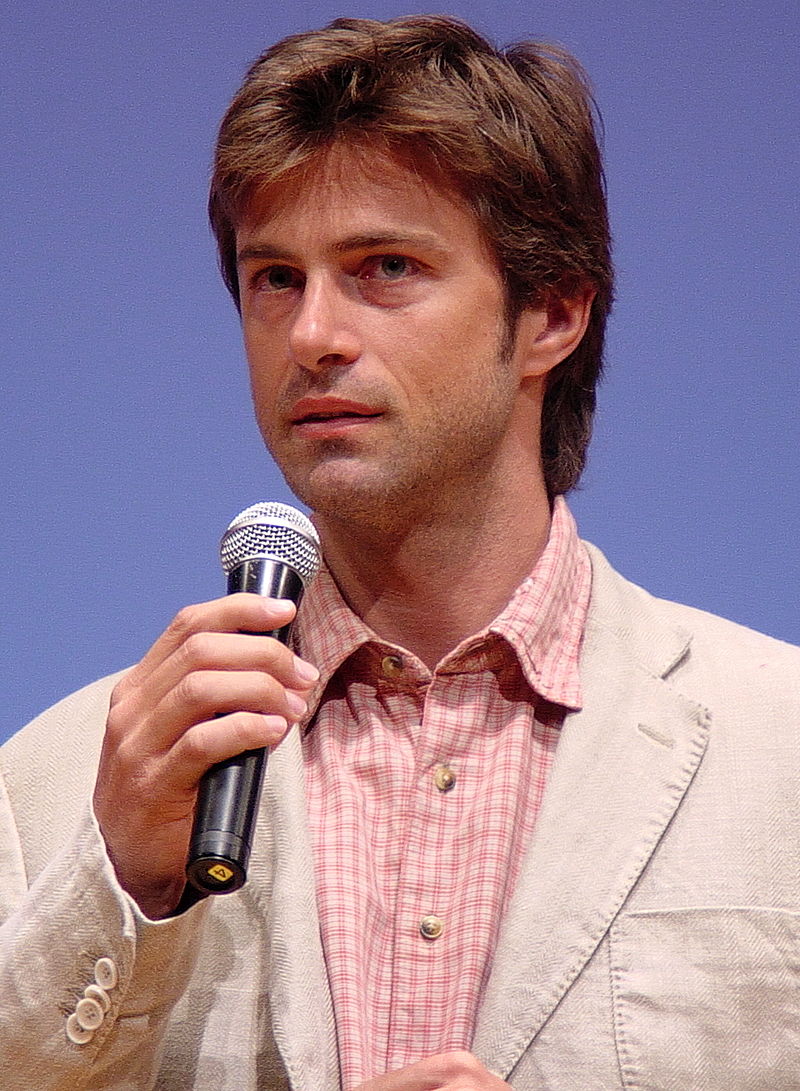
Kim Rossi Stuart is a name synonymous with Italian cinema, known for his intense performances and his ability to bring depth and nuance to a wide range of characters. Born on October 31, 1969, in Rome, Italy, Rossi Stuart has built a career that spans decades, earning him critical acclaim and a devoted following. From his early days in the film industry as a child actor to his later success as a leading man and director, Rossi Stuart’s journey is a testament to his talent, dedication, and resilience. This article delves into his life, fame, and career highlights, offering a detailed exploration of what makes Kim Rossi Stuart one of Italy’s most respected actors.
Early Life and Background
Kim Rossi Stuart was born into a family with strong ties to the entertainment industry. His father, Giacomo Rossi Stuart, was a well-known actor, and his mother, a former mannequin. This artistic environment provided young Kim with early exposure to the world of cinema and theater, which would shape his future career. As the only son in a family with three sisters, Rossi Stuart was encouraged from an early age to explore his creative talents.
At just five years old, Rossi Stuart made his debut in the film “Fatti di gente perbene” (1974), directed by Mauro Bolognini. The film, which won the David di Donatello Award for Best Film, was a significant entry point for Rossi Stuart into the world of acting. His first role saw him acting alongside major stars like Catherine Deneuve and Giancarlo Giannini, giving him a glimpse of what a future in acting might hold.
Early Career and Television Success
As a teenager, Rossi Stuart decided to leave school at the age of 14 to fully commit to his acting career. His early television work in the mid-1980s began to build his reputation as a serious actor. In 1984, he appeared in the TV movie “I ragazzi della valle misteriosa,” a project that also featured Alessandro Haber and introduced him to future collaborations with other prominent Italian actors.
His first significant role in a major film came in 1986 when he was cast in a small part in “Il nome della rosa” (The Name of the Rose), based on the famous novel by Umberto Eco. Although his role was minor, the film’s success brought him more visibility. The following year, he starred in the youth-oriented “Il ragazzo dal kimono d’oro” (The Boy in the Golden Kimono), which became a cult favorite among Italian adolescents. The film’s popularity led to a sequel and further established Rossi Stuart as a rising star.
Breakthrough with “Fantaghirò”
The turning point in Rossi Stuart’s career came in 1991 with the fantasy TV series “Fantaghirò.” The show, a fairy tale adventure produced by Mediaset, was a massive success, particularly among younger audiences. Rossi Stuart played Romualdo, the dashing prince and love interest of the title character, portrayed by Alessandra Martines. The series’ unexpected popularity made Rossi Stuart a household name in Italy and across Europe, where the series was also broadcast.
The success of “Fantaghirò” opened many doors for Rossi Stuart, but it also brought with it the challenge of being typecast. Determined to break free from the image of the romantic hero, he began to seek out more complex and varied roles.
Transition to Serious Cinema
Throughout the early 1990s, Rossi Stuart took on roles that allowed him to demonstrate his range as an actor. In 1993, he was cast in “La famiglia Ricordi,” a miniseries directed by Mauro Bolognini, the same director who had given him his first role as a child. His performance in this operatic drama, which also featured Alessandro Gassman and Luca Barbareschi, was well received, solidifying his reputation as a serious actor.
The mid-1990s saw Rossi Stuart continue to explore a wide range of characters. In 1994, he starred in “Senza pelle” (Without Skin) and “Cuore cattivo” (Bad Heart), both of which dealt with dark and intense themes. These films allowed him to break away from his earlier romantic roles and demonstrate his ability to tackle more challenging material.
In 1995, Rossi Stuart worked with two legendary directors, Michelangelo Antonioni and Wim Wenders, in the film “Al di là delle nuvole” (Beyond the Clouds). This collaboration with such esteemed filmmakers was a major milestone in his career, further establishing him as a versatile and respected actor.
Theatrical Pursuits and Continued Success
In addition to his work in film and television, Rossi Stuart also pursued a successful career in theater. His stage work earned him praise from critics and audiences alike, and his dedication to the craft of acting was evident in every performance. His ability to seamlessly transition between the screen and the stage made him a sought-after talent in the Italian entertainment industry.
In 2001, Rossi Stuart starred in “La banda della Uno Bianca,” a television miniseries based on the true story of a notorious criminal gang. His portrayal of the determined police officer Valerio Maldesi earned him widespread acclaim, and the show was a ratings hit in Italy.
Collaboration with Roberto Benigni
One of Rossi Stuart’s most memorable roles came in 2002 when he was cast by Roberto Benigni in his adaptation of Carlo Collodi’s classic tale, “Pinocchio.” Rossi Stuart played Lucignolo, a character known for leading Pinocchio astray. While the film itself received mixed reviews and did not achieve the expected box office success, Rossi Stuart’s performance was widely praised. His work in “Pinocchio” earned him a nomination for Best Supporting Actor at the David di Donatello Awards, one of Italy’s most prestigious film honors.
Critical Acclaim and Directorial Debut
By the mid-2000s, Rossi Stuart had firmly established himself as one of Italy’s leading actors. In 2004, he won the David di Donatello Award for Best Actor for his role in “Le chiavi di casa” (The Keys to the House), where he played the father of a disabled child. The film was both a critical and commercial success, and Rossi Stuart’s sensitive portrayal of a father grappling with the challenges of raising a child with special needs resonated with audiences.
Following his success as an actor, Rossi Stuart decided to step behind the camera. In 2006, he made his directorial debut with “Anche libero va bene” (Along the Ridge). The film, which he also starred in, was a deeply personal project, exploring themes of family, adolescence, and the complexities of father-son relationships. “Anche libero va bene” was met with critical acclaim, and Rossi Stuart won the Vittorio De Sica Award for Best Debut Director.
Continued Acting Success and “Romanzo Criminale”
Rossi Stuart’s return to acting saw him take on one of his most iconic roles in the 2005 film “Romanzo Criminale,” directed by Michele Placido. The film, based on a true story, depicted the rise and fall of a criminal gang in Rome during the 1970s and 1980s. Rossi Stuart played “Il Freddo” (The Cold), a key member of the gang, and his performance was both chilling and captivating. “Romanzo Criminale” was a critical and commercial success, and Rossi Stuart’s portrayal of the complex and morally ambiguous character earned him another David di Donatello Award for Best Actor.
The following years saw Rossi Stuart continue to work with top directors and actors in Italian cinema. In 2007, he starred in “Piano, solo,” a film about the life of jazz pianist Luca Flores. His performance was once again lauded for its depth and emotional intensity.
In 2010, Rossi Stuart collaborated again with Michele Placido in “Vallanzasca – Gli angeli del male,” where he played the notorious Italian gangster Renato Vallanzasca. The film was a gritty and realistic portrayal of Vallanzasca’s criminal life, and Rossi Stuart’s performance was praised for its authenticity and power.
Personal Life and Legacy
Kim Rossi Stuart has always been a private individual, preferring to keep his personal life out of the spotlight. However, it is known that he is in a long-term relationship with actress Ilaria Spada, with whom he has a son. Despite the challenges of balancing his career and family life, Rossi Stuart has managed to maintain a steady presence in the Italian film industry.
His legacy as an actor and filmmaker is one of dedication to the craft and a commitment to exploring complex and challenging roles. Rossi Stuart’s work has earned him numerous awards and accolades, and he is widely regarded as one of Italy’s finest actors.
Conclusion
Kim Rossi Stuart’s journey from a child actor to one of Italy’s most respected and versatile performers is a testament to his talent, hard work, and passion for the art of acting. His ability to tackle a wide range of roles, from romantic leads to complex, morally ambiguous characters, has earned him a place among the greats of Italian cinema. As he continues to take on new challenges in both acting and directing, Kim Rossi Stuart’s influence on the industry is sure to endure for years to come.


