
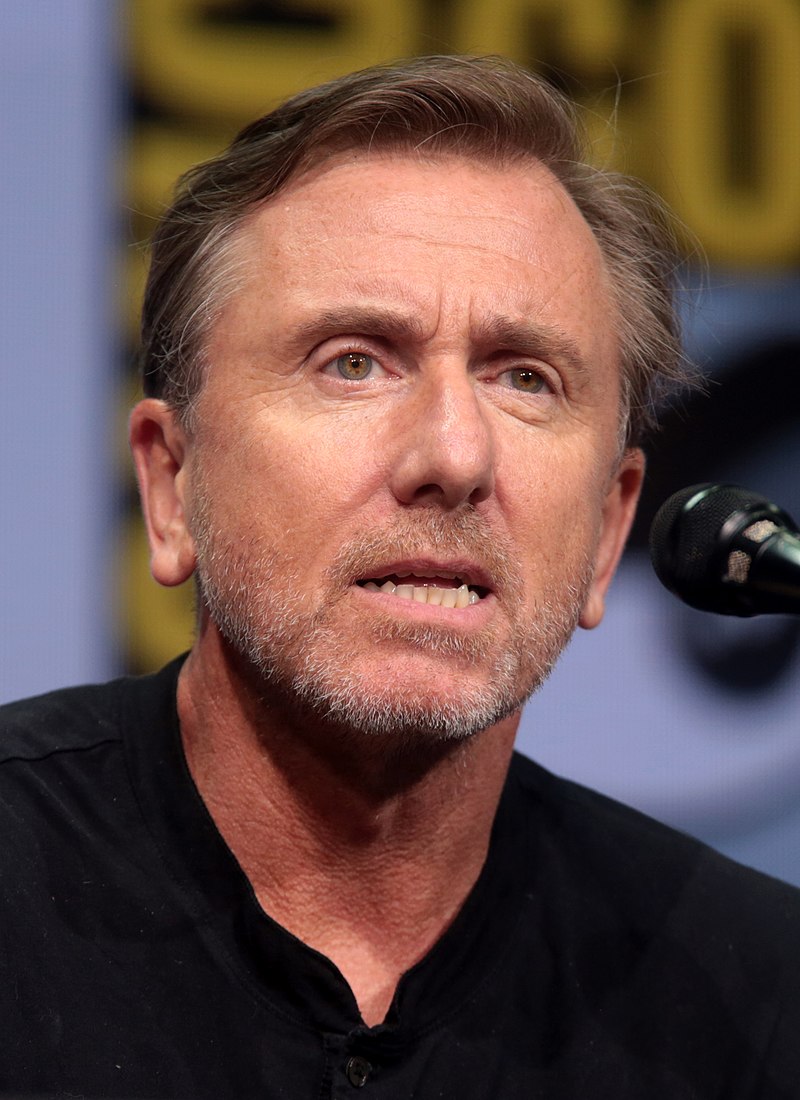
Tim Roth is one of the most iconic British actors of his generation, known for his versatility, intensity, and ability to embody a wide range of characters. Born Timothy Simon Smith on May 14, 1961, in London, England, Roth has had a career that spans over four decades, during which he has worked with some of the most celebrated directors in the film industry. From his early days in British television to his collaborations with Quentin Tarantino, Roth has left an indelible mark on cinema. This article provides an in-depth look at the life and career of Tim Roth, exploring his rise to fame, his most significant roles, and the legacy he continues to build.
Early Life and Introduction to Acting
Tim Roth was born into a family that was deeply immersed in the arts and intellectual pursuits. His father, Ernie Smith, was a journalist, and his mother, Ann, was a landscape painter. Despite his parents’ divorce when he was young, Roth was raised in an environment that encouraged creativity and self-expression. However, his early education was less than stellar. Roth attended a public school after failing to pass the entrance exams for a prestigious private school. This experience exposed him to a different side of life, one far removed from the middle-class intellectualism of his home.
At the age of sixteen, Roth’s life took an unexpected turn when he decided to audition for a school play. The production was a musical adaptation of Bram Stoker’s Dracula, and Roth was cast as the titular character. This experience ignited a passion for acting that would shape the rest of his life. Roth’s early acting endeavors led him to enroll in the Camberwell School of Art, where he studied sculpture. However, after just eighteen months, he left the school to pursue acting full-time, performing in pubs and small theaters across London.
Breaking into Film and Television
Roth’s big break came in 1981 when he made his television debut in the film Meantime, directed by Mike Leigh. This film also featured another rising star, Gary Oldman, and marked the beginning of Roth’s successful career in British television. In 1982, Roth starred in the BBC TV movie Made in Britain, where he played Trevor, a troubled young skinhead. This role showcased Roth’s raw talent and ability to portray complex, emotionally charged characters.
Two years later, Roth made his cinematic debut in Stephen Frears’ film The Hit (1984), where he starred alongside Terence Stamp and John Hurt. His performance in this film earned him critical acclaim and solidified his reputation as one of the most promising young actors in British cinema. Roth continued to build on this success with roles in films such as The Cook, the Thief, His Wife & Her Lover (1989) directed by Peter Greenaway, and Vincent & Theo (1990) directed by Robert Altman, where he played the tormented artist Vincent van Gogh.
Collaboration with Quentin Tarantino
In the early 1990s, Tim Roth’s career took a major turn when he moved to California and met Quentin Tarantino, an aspiring filmmaker at the time. Their meeting, which reportedly took place over drinks in a Los Angeles bar, led to Roth being cast as Mr. Orange in Tarantino’s debut film, Reservoir Dogs (1992). This role as an undercover cop in a group of criminals became one of Roth’s most iconic performances and marked the beginning of a fruitful collaboration with Tarantino.
In 1994, Roth reunited with Tarantino for Pulp Fiction, one of the most influential films of the decade. Roth played Pumpkin, a small-time crook who, along with his partner Honey Bunny, attempts to rob a diner. Pulp Fiction was a massive success, both critically and commercially, and further established Roth as a significant figure in Hollywood.
Versatility and Acclaim
After the success of Pulp Fiction, Tim Roth continued to take on a diverse range of roles, showcasing his versatility as an actor. In 1995, he starred in Little Odessa, a crime drama directed by James Gray, where he played a hitman returning to his hometown. His performance was praised for its intensity and depth, further proving his ability to tackle complex, emotionally driven characters.
That same year, Roth delivered one of the most memorable performances of his career in Rob Roy, where he played the villainous Archibald Cunningham. His portrayal of the sadistic and arrogant aristocrat earned him an Academy Award nomination for Best Supporting Actor. Roth’s ability to make his characters simultaneously loathsome and captivating was on full display in this role, solidifying his status as one of the most talented actors of his generation.
Roth’s filmography in the late 1990s and early 2000s includes a mix of genres, from Woody Allen’s romantic comedy Everyone Says I Love You (1996) to the dramatic thriller The Legend of 1900 (1998), directed by Giuseppe Tornatore. In The Legend of 1900, Roth played the lead role of a pianist born on a cruise ship who never sets foot on land. His performance in this film was widely praised for its emotional depth and complexity.
Transition to Hollywood and Continued Success
As Roth’s career progressed, he continued to balance his work between independent films and larger Hollywood productions. In 2001, he starred in Planet of the Apes, directed by Tim Burton, where he played the menacing General Thade. The role required Roth to undergo extensive makeup and prosthetics, transforming him into an intimidating ape commander. Despite the mixed reception of the film, Roth’s performance was recognized as one of its highlights.
Roth also continued to collaborate with visionary directors, such as Werner Herzog in Invincible (2001), where he played a Jewish strongman during the rise of Nazi Germany. His performance in this film was noted for its subtlety and restraint, contrasting with some of his more flamboyant roles.
In 2009, Roth returned to television with the lead role in the series Lie to Me, where he played Dr. Cal Lightman, a deception expert who helps law enforcement solve crimes. The show ran for three seasons and allowed Roth to explore a new facet of his acting abilities, bringing his trademark intensity to the small screen.
Recent Work and Legacy
In recent years, Tim Roth has continued to take on challenging roles in both film and television. He starred in Chronic (2015), a drama about a hospice nurse dealing with his own personal demons, for which he received critical acclaim. Roth also appeared in Quentin Tarantino’s The Hateful Eight (2015), playing the role of Oswaldo Mobray, a charming but duplicitous hangman.
Roth’s more recent work includes roles in films such as Selma (2014), where he portrayed Alabama Governor George Wallace, and The Hateful Eight, which further showcased his ability to embody complex and often morally ambiguous characters. His continued collaboration with directors like Tarantino highlights the respect he commands in the industry, as well as his willingness to take on roles that challenge both himself and his audience.
Personal Life and Off-Screen Contributions
Beyond his on-screen work, Tim Roth is known for his contributions to social and political causes. He has been an outspoken advocate for victims of sexual abuse, drawing from his own experiences of being a victim of abuse during his childhood. Roth’s willingness to speak out on these issues has earned him respect beyond the film industry, highlighting his commitment to using his platform for positive change.
Roth has also directed films, with his directorial debut The War Zone (1999) receiving critical acclaim for its unflinching portrayal of family abuse. His work as a director, although less prolific than his acting career, reflects his desire to explore challenging and often uncomfortable subjects.
In his personal life, Roth has been married to fashion designer Nikki Butler since 1993, and the couple has two children together. Despite his fame, Roth has maintained a relatively low profile, preferring to focus on his work and family rather than the trappings of celebrity.
Conclusion
Tim Roth’s career is a testament to his incredible range and dedication as an actor. From his early days in British television to his rise as a Hollywood star, Roth has consistently chosen roles that challenge him and push the boundaries of his craft. His collaborations with directors like Quentin Tarantino have resulted in some of the most memorable performances in modern cinema, and his work continues to inspire both audiences and fellow actors alike.
As Roth continues to take on new roles and explore different aspects of his talent, his legacy as one of the most versatile and compelling actors of his generation remains secure. Whether on screen or behind the camera, Tim Roth’s contributions to the film industry are both significant and enduring, ensuring that his name will be remembered for years to come.


