
Introduction
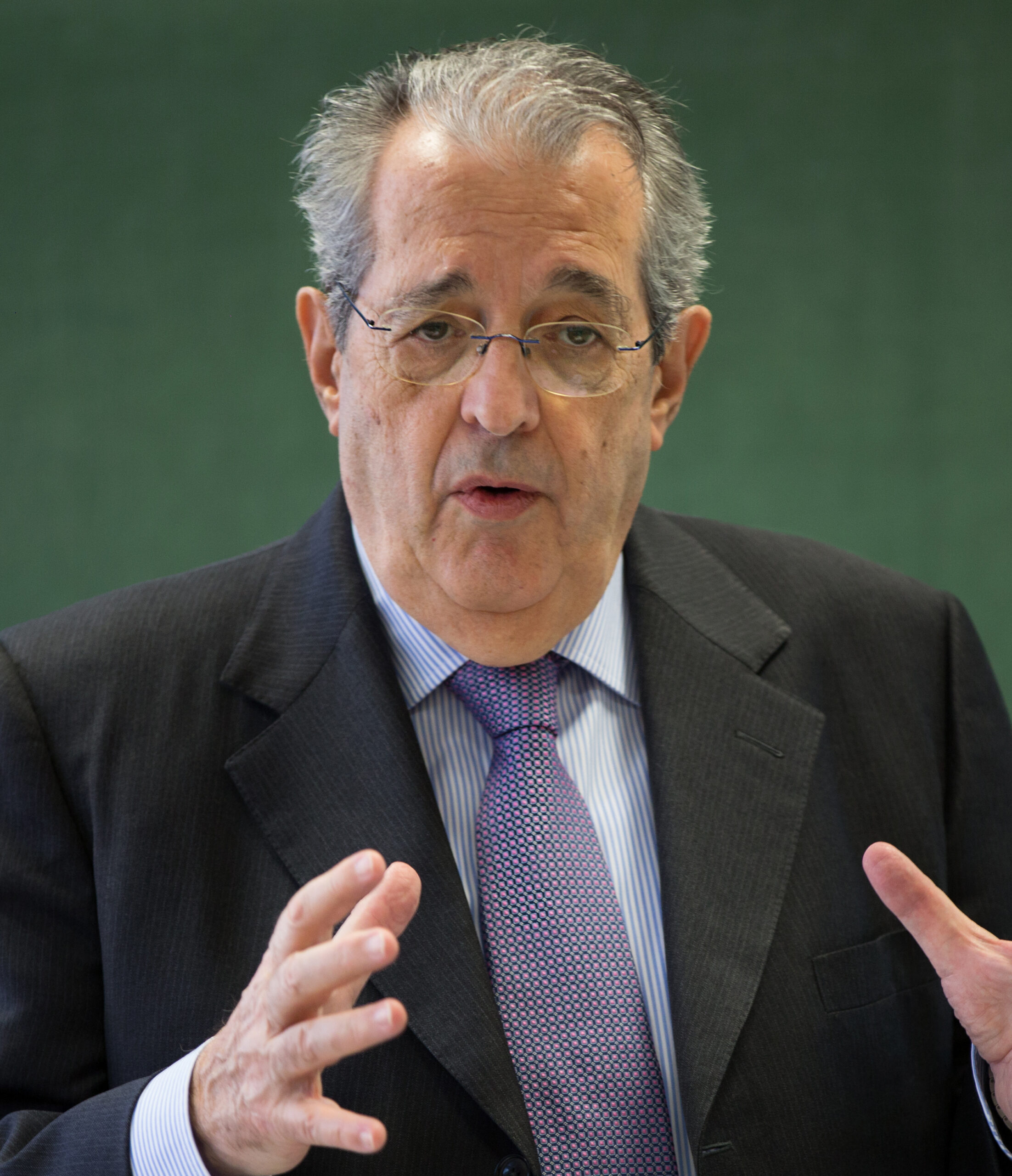
Fabrizio Saccomanni, born on November 22, 1942, in Rome, Italy, was an influential economist, banker, and public servant. With a career spanning over five decades, Saccomanni played a pivotal role in shaping Italy’s economic policy and the broader European financial landscape. His work, both in Italy and on the international stage, left an enduring legacy that continues to influence economic thought and policy today. This article explores the life, achievements, and lasting impact of Fabrizio Saccomanni.
Early Life and Education
Fabrizio Saccomanni was born into a family that valued education and intellectual achievement. His academic journey began in Milan, where he pursued a degree in Economics and Commerce at the prestigious Bocconi University. Saccomanni’s academic prowess was evident early on, and after completing his degree, he furthered his studies in the United States at Princeton University, where he focused on international and monetary economics. This experience not only broadened his understanding of global economics but also laid the foundation for his future career in banking and economic policy.
Early Career: The Banca d’Italia and the IMF
In 1967, at the age of 25, Saccomanni embarked on his professional career by joining the Banca d’Italia, Italy’s central bank. His initial role was in the Milan office, where he worked in the Supervisory Department. This position marked the beginning of a long and distinguished career in the banking sector.
Saccomanni’s talents quickly gained recognition, leading to his appointment as an economist at the International Monetary Fund (IMF) in Washington, D.C., in 1970. At the IMF, he worked in the Trade and Exchange Relations Department, where he was involved in monitoring global trade and exchange rate policies. His expertise in these areas became instrumental in shaping Italy’s economic strategies in the years that followed.
By 1973, Saccomanni had risen to the position of Assistant to the Executive Director for Italy at the IMF. In this role, he represented Italy’s interests within the organization, navigating complex international economic issues and helping to shape policies that would impact global markets.
Returning to Banca d’Italia: Climbing the Ranks
After his stint at the IMF, Saccomanni returned to Banca d’Italia, where he continued to climb the ranks. In the mid-1980s, he was appointed Head of the Foreign Relations Department, a position that placed him at the forefront of Italy’s interactions with the global financial system. His work during this period earned him the title of Commendatore of the Order of Merit of the Italian Republic, a recognition of his significant contributions to the country’s economic stability.
In 1997, Saccomanni was appointed Director of the Foreign Operations Directorate at Banca d’Italia, further solidifying his reputation as a key figure in the Italian and European banking sectors. During this time, he played a crucial role in the negotiations that led to the creation of the Economic and Monetary Union (EMU) and the introduction of the euro. His involvement in these historic developments underscored his deep understanding of international finance and his ability to navigate the complex dynamics of European integration.
Key Role in European Integration
Fabrizio Saccomanni’s contributions to the process of European integration were substantial. As the Director of the Foreign Operations Directorate at Banca d’Italia, he was intimately involved in the discussions and negotiations that laid the groundwork for the Economic and Monetary Union (EMU). The EMU was a major step toward the creation of a unified European market, culminating in the adoption of the euro as the common currency for many European countries.
Saccomanni’s expertise in international economics and his strategic vision were instrumental in guiding Italy through the transition to the euro. His work helped ensure that Italy met the convergence criteria required for joining the EMU, which involved strict fiscal and monetary discipline. This was a period of significant economic reform in Italy, and Saccomanni’s leadership was critical in navigating these challenges.
Vice President of the European Bank for Reconstruction and Development (EBRD)
In 2003, Saccomanni’s career took on an international dimension when he was appointed Vice President of the European Bank for Reconstruction and Development (EBRD) in London. At the EBRD, Saccomanni was responsible for overseeing several key areas, including official co-financing, environmental protection, nuclear safety, and risk management. His role at the EBRD allowed him to apply his extensive knowledge of international finance to support economic development and transition in countries across Central and Eastern Europe, as well as Central Asia.
During his tenure at the EBRD, Saccomanni worked on numerous projects aimed at fostering economic growth and stability in transitioning economies. His efforts were crucial in helping these countries integrate into the global economy, and his work at the EBRD further solidified his reputation as a leading figure in international finance.
Director General of Banca d’Italia
In 2006, Saccomanni returned to Italy to take up the position of Director General of Banca d’Italia. As Director General, he was responsible for the overall management of the central bank, overseeing its operations and ensuring the stability of the Italian banking system. His leadership during this period was marked by a focus on maintaining financial stability in the face of global economic challenges, including the financial crisis of 2007-2008.
Saccomanni’s tenure as Director General was also notable for his efforts to modernize Banca d’Italia and enhance its role within the European System of Central Banks (ESCB). He worked closely with European counterparts to ensure that Italy’s monetary policy was aligned with broader European goals, and he played a key role in the governance of the European Central Bank (ECB).
In recognition of his contributions, Saccomanni was awarded the title of Cavaliere di Gran Croce, one of Italy’s highest honors, in 2012. This accolade was a testament to his decades of service to Italy’s economic and financial stability.
In 2013, Saccomanni was appointed Minister of Economy and Finance in the government of Prime Minister Enrico Letta. This period was one of significant economic challenges for Italy, which was grappling with the aftermath of the global financial crisis and the European sovereign debt crisis. Saccomanni’s appointment was seen as a move to restore confidence in Italy’s economic policies and to stabilize the country’s finances.
As Minister of Economy and Finance, Saccomanni was tasked with implementing austerity measures and structural reforms aimed at reducing Italy’s public debt and fostering economic growth. His policies were often controversial, as they involved difficult decisions such as spending cuts and tax increases. However, Saccomanni was committed to restoring Italy’s economic health and ensuring that the country remained a stable member of the eurozone.
During his tenure, Saccomanni also focused on improving Italy’s tax collection system and combating tax evasion, which were critical issues for the country’s fiscal stability. His efforts to reform Italy’s public finances were widely recognized, and although his time in office was brief—lasting just over a year—his impact was significant.
Later Career and Legacy
After leaving government in 2014, Saccomanni continued to be active in the financial world. He became a member of the Board of Directors of the Bank for International Settlements (BIS) and continued to contribute to discussions on global economic policy. In 2018, Saccomanni was appointed Chairman of the Board of Directors at UniCredit, one of Italy’s largest banks. In this role, he focused on strengthening the bank’s governance and ensuring its long-term stability in a rapidly changing financial landscape.
Saccomanni’s contributions to the field of economics extended beyond his professional roles. He was a prolific writer and commentator, regularly publishing articles and books on economic policy and financial regulation. His 2015 book, Il mondo alla rovescia. Come la finanza dirige l’economia (The World Upside Down: How Finance Rules the Economy), offered a critical analysis of the global financial system and its impact on the real economy. The book reflected Saccomanni’s deep understanding of the complexities of modern finance and his concern for the broader social and economic implications of financial markets.
Death and Posthumous Recognition
Fabrizio Saccomanni passed away suddenly on August 8, 2019, while on vacation in San Teodoro, Sardinia. His death marked the end of a distinguished career that had spanned more than five decades and had seen him play a key role in some of the most significant economic developments in Italy and Europe.
In the years since his passing, Saccomanni’s legacy has continued to be celebrated by colleagues and scholars alike. His contributions to the fields of banking, economics, and public policy are widely recognized, and his work remains a touchstone for those seeking to understand the challenges of managing modern economies in an increasingly interconnected world.
Conclusion
Fabrizio Saccomanni’s life and career were characterized by a deep commitment to public service, intellectual rigor, and a passion for economic stability and development. From his early days at Banca d’Italia to his leadership roles at the IMF, EBRD, and as Italy’s Minister of Economy and Finance, Saccomanni’s influence was felt across the globe. His work not only helped guide Italy through some of its most challenging economic periods but also contributed to the broader project of European integration and global financial stability.
Saccomanni’s legacy lives on through his writings, his impact on the institutions he led, and the many professionals he mentored throughout his career. He remains an enduring figure in the world of economics, a testament to the power of knowledge, dedication, and vision in shaping the future of nations.


