
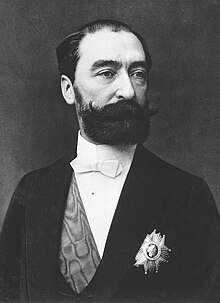
Marie François Sadi Carnot is a significant figure in French history, known for his political acumen and tragic demise at the hands of an anarchist assassin. His life, though cut short at 57, was marked by a strong dedication to public service and a steadfast commitment to the principles of the French Republic. This article delves into the life, fame, and pivotal moments of Sadi Carnot, offering detailed insights into his contributions, historical context, and the broader implications of his actions.
Early Life and Family Legacy
Born on August 11, 1837, in Limoges, France, Marie François Sadi Carnot hailed from a family with a distinguished legacy in both science and politics. The Carnot family, originally from Burgundy, had already made significant contributions to French society long before Sadi’s birth. His grandfather, Lazare Nicolas Marguerite Carnot, was a mathematician, physicist, and military engineer who played a crucial role during the French Revolution. Lazare Carnot was known as the “Organizer of Victory” due to his efforts in restructuring the French army during the Revolutionary Wars.
Sadi Carnot’s father, Lazare Hippolyte Carnot, continued the family tradition of public service. He was a politician and served as Minister of Public Instruction in the Second French Republic. His works, including “Exposé de la doctrine Saint-Simonienne” and “L’esclavage colonial,” reflect his deep engagement with the social and political issues of his time.
Growing up in such an environment, Sadi Carnot was naturally inclined towards public service. He pursued technical studies and graduated as an engineer, but his interests soon turned towards politics, influenced by the tumultuous political climate of 19th-century France.
Political Rise and Presidency
Sadi Carnot’s political career began in earnest in 1871 when he was elected as a Republican deputy. His alignment with the left-wing Republicans and his reputation as an honest and upright individual quickly earned him respect in the political sphere. Over the years, Carnot held several key ministerial positions, including Minister of Public Works and Minister of Finance. His tenure in these roles was marked by his dedication to the development of infrastructure and financial stability in post-war France.
The turning point in Carnot’s political career came in 1887, following the resignation of President Jules Grévy amid a scandal. Georges Clemenceau, a prominent political figure, recognized Carnot’s unblemished reputation and proposed him as a candidate for the presidency. On December 3, 1887, Sadi Carnot was elected President of the French Republic with a significant majority, a position he would hold until his untimely death in 1894.
Presidential Achievements and Challenges
As President, Sadi Carnot navigated a complex and often volatile political landscape. His presidency was marked by a combination of wisdom and prudence, qualities that helped him steer the country through challenging times. One of his most notable achievements was his role in the exile of General Georges Boulanger, a staunch monarchist whose growing popularity posed a serious threat to the Republic. By successfully maneuvering Boulanger into exile, Carnot safeguarded the stability of the Republic and maintained the democratic order.
Carnot’s presidency also coincided with significant developments in European politics. The renewal of the Triple Alliance between Germany, Austria-Hungary, and Italy in the late 1880s prompted Carnot to seek a counterbalance through closer ties with Russia. His efforts culminated in a defensive alliance with Russia, signed in August 1891 in Saint Petersburg. This Franco-Russian Alliance would later play a crucial role in the diplomatic landscape leading up to World War I, underscoring Carnot’s foresight in international affairs.
However, Carnot’s presidency was not without its challenges. The late 19th century saw the rise of anarchism in Europe, a movement that rejected all forms of authority and sought to establish a stateless society. Anarchism, initially theoretical and philosophical, gradually evolved into a more radical and violent movement. The anarchists, feeling marginalized by the dominant Marxist and social democratic ideologies, resorted to terrorism as a means of expression. France, like many other European countries, witnessed a series of anarchist attacks during this period, reflecting the growing unrest and dissatisfaction with the existing social and political order.
The Tragic Assassination
Sadi Carnot’s presidency came to a tragic end on June 24, 1894, when he became a victim of anarchist violence. While attending the Universal Exhibition in Lyon, he was assassinated by an Italian anarchist named Sante Geronimo Caserio. Caserio, who had been inspired by the anarchist rhetoric of the time, fatally stabbed Carnot, marking one of the most shocking political assassinations of the era.
The assassination of Sadi Carnot was not just a personal tragedy but a significant event in the broader context of European politics. It highlighted the growing threat of anarchism and the extent to which political violence had permeated European society. The event sent shockwaves through France and beyond, leading to a crackdown on anarchist activities and the implementation of stricter security measures for public officials.
Historical Context and Legacy
To fully understand the impact of Sadi Carnot’s life and presidency, it is essential to consider the historical context of France during the late 19th century. This period was marked by rapid industrialization, social upheaval, and political instability. The French Third Republic, established after the fall of the Second Empire, was still relatively young and faced numerous challenges, both from within and outside its borders.
Carnot’s presidency was a time of consolidation for the Republic. His efforts to strengthen democratic institutions and maintain political stability were crucial in ensuring the survival of the Republic during a period of significant turmoil. His policies, particularly in foreign affairs, demonstrated a keen understanding of the shifting power dynamics in Europe and the need for France to forge strategic alliances.
Moreover, Carnot’s legacy extends beyond his political achievements. His assassination had a profound impact on the French psyche, symbolizing the dangers posed by radical ideologies and the fragility of democratic governance. The subsequent measures taken to curb anarchist activities and protect public figures can be seen as a direct response to the events surrounding his death.
The Carnot Legacy in Modern France
The Carnot family legacy continues to be remembered in modern France, not just for Sadi Carnot’s contributions, but also for the broader impact of the Carnot lineage. The family name is synonymous with scientific and political excellence, with figures like Lazare Carnot playing pivotal roles in shaping both the French Revolution and the development of thermodynamics.
Sadi Carnot’s presidency, though marked by its tragic end, is often viewed as a period of stability and continuity in the early years of the Third Republic. His approach to governance, characterized by a commitment to public service and an unwavering dedication to the principles of the Republic, serves as an example for future leaders.
The Franco-Russian Alliance, forged during Carnot’s presidency, had long-lasting implications for French foreign policy. This alliance not only balanced the power of the Triple Alliance but also laid the groundwork for the alliances that would eventually shape the alliances of World War I.
Reflections on Leadership and Governance
Sadi Carnot’s life and presidency offer valuable lessons on leadership and governance. His ability to navigate the complexities of French politics, manage crises, and build strategic alliances speaks to his political acumen and vision. His tenure as president underscores the importance of integrity, wisdom, and a deep commitment to democratic principles in public office.
Moreover, Carnot’s assassination serves as a stark reminder of the dangers posed by radical ideologies and the potential for violence when political discourse breaks down. His death marked a turning point in the fight against anarchism in France, leading to more stringent measures to protect the Republic and its institutions.
Conclusion
Marie François Sadi Carnot remains a significant figure in the history of France, remembered for his contributions to the Republic and his tragic death at the hands of an anarchist. His life and legacy reflect the challenges and opportunities of a critical period in French history, offering insights into the complexities of governance, the impact of radical ideologies, and the enduring importance of public service.
As we reflect on Carnot’s life, it is clear that his legacy extends beyond his presidency. The values he embodied—integrity, dedication, and a commitment to the common good—continue to resonate in contemporary discussions on leadership and governance. In a world still grappling with the challenges of political extremism and social unrest, the life of Sadi Carnot serves as a reminder of the enduring importance of democratic principles and the need to protect and preserve them.


