
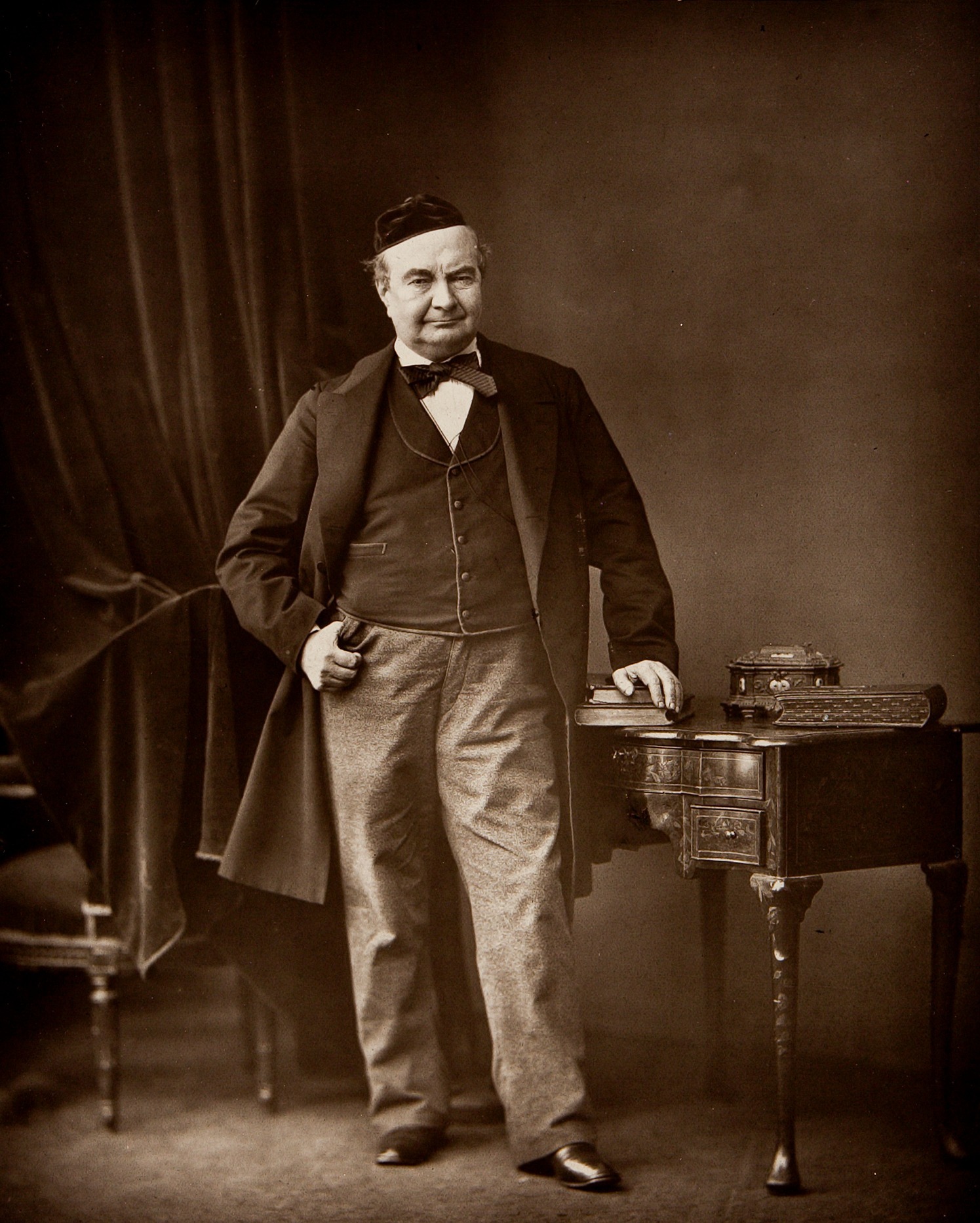
Charles Augustin de Sainte-Beuve, born on December 23, 1804, in Boulogne-sur-Mer, Pas-de-Calais, France, was a distinguished literary critic, historian, and essayist. His life and work played a crucial role in shaping the literary landscape of 19th-century France, and his innovative approaches to literary criticism remain influential even today. This article provides an in-depth exploration of Sainte-Beuve’s life, his contributions to literature, and the historical context in which he rose to fame.
Early Life and Education
Charles Augustin de Sainte-Beuve was born into a modest family in northern France. His early years were marked by a strong academic inclination, which eventually led him to Paris, where he pursued studies in medicine. However, it was his passion for literature that ultimately defined his career. By the age of 20, Sainte-Beuve was already contributing articles of significant cultural value to the journal “Le Globe,” a platform that allowed him to establish himself as a promising literary critic.
His initial focus on medicine was soon abandoned as Sainte-Beuve became increasingly engrossed in the literary world. His early writings displayed a deep understanding of the cultural and historical significance of literature, and this intellectual curiosity would become a hallmark of his career.
The Encounter with Victor Hugo and the Romantic Movement
One of the pivotal moments in Sainte-Beuve’s life was his encounter with Victor Hugo, the renowned French writer, in 1827. This meeting was facilitated by an article Sainte-Beuve had written on Hugo’s “Odes and Ballads,” which caught the attention of the literary community. The relationship that developed between Sainte-Beuve and Hugo introduced him to the “Cénacle,” a group of Romantic writers and poets that included Alfred de Vigny and other prominent figures.
Sainte-Beuve’s involvement with the Cénacle deeply influenced his literary perspectives. Although he was initially drawn to the Romantic movement, he maintained a critical distance, often analyzing it through the lens of historical and literary traditions. His first major work, “Historical and Critical Picture of French Poetry and Theater in the 16th Century,” published in 1828, sought to place Romanticism within the broader context of French literary history, rehabilitating figures like Pierre de Ronsard and the poets of the Pléiade.
Early Literary Works and Transition to Criticism
In 1829, Sainte-Beuve published his first collection of poems, “Life, Poems, and Thoughts of Joseph Delorme,” followed by another collection titled “Consolations” in 1830, which he dedicated to Victor Hugo. These works, while reflective of the Romantic spirit, also revealed Sainte-Beuve’s evolving critical approach, as he began to distance himself from the movement’s more emotional excesses.
By 1834, Sainte-Beuve had written his autobiographical novel “Volupté,” which, despite its literary merit, did not achieve significant commercial success. This lack of recognition led him to pivot more firmly toward literary criticism, a field in which he would soon become highly esteemed.
Academic and Professional Contributions
Sainte-Beuve’s decision to focus on literary criticism proved to be a turning point in his career. In 1840, he was appointed a professor of French literature at the University of Lausanne, where his lectures and writings began to attract considerable attention. His appointment as Conservator at the Bibliothèque Mazarine in Paris in the same year further solidified his status as a respected scholar.
In 1844, Sainte-Beuve was elected to the prestigious Académie française, a testament to his growing influence in the literary world. His work during this period included a series of critical essays and lectures that explored the lives and works of notable French writers, including François-René de Chateaubriand, whom he admired deeply.
The Method of Sainte-Beuve: Literary Portraits
One of Sainte-Beuve’s most enduring contributions to literary criticism was his development of the “literary portrait,” a method that combined biographical analysis with psychological insights to explore an author’s work. Sainte-Beuve believed that understanding an author’s life and personality was essential to interpreting their literary output. This approach marked a departure from purely textual analysis and emphasized the importance of context in literary studies.
Sainte-Beuve’s method involved a meticulous examination of an author’s background, including their social environment, personal relationships, and psychological traits. By doing so, he sought to uncover the deeper motivations and influences behind their work. This biographical approach became a cornerstone of his critical philosophy and distinguished him from other critics of his time.
Among his notable works using this method are “Portraits Littéraires” (1844-1852), “Portraits de Femmes” (1844), and “Portraits Contemporains” (1869-1871). These collections offer a rich tapestry of insights into the lives and works of various literary figures, making Sainte-Beuve a pioneering figure in the field of literary biography.
Controversies and Criticism
Despite his significant contributions to literary criticism, Sainte-Beuve’s methods were not without their detractors. One of his most vocal critics was Marcel Proust, who accused Sainte-Beuve of failing to appreciate the intrinsic artistic qualities of literature, focusing too much on the author’s life at the expense of the work itself. Proust’s famous essay “Against Sainte-Beuve” argued that a literary work should be judged on its own merits, independent of the author’s biography.
This debate between biographical and textual criticism reflects broader tensions within literary studies, with Sainte-Beuve often positioned as a representative of the former. While his methods may have been challenged, his impact on the field is undeniable, and his influence can still be seen in modern biographical criticism.
Political Involvement and Later Life
In the later years of his life, Sainte-Beuve became increasingly involved in politics, particularly during the reign of Napoleon III. His openly Bonapartist views led to his appointment as a senator in 1865, although his relationship with the emperor was complex and sometimes strained. Despite these political engagements, Sainte-Beuve continued to write and publish, contributing regularly to newspapers such as “Le Constitutionnel,” “Le Moniteur,” and “Le Temps.”
These contributions were later compiled into collections such as “Monday Chats” and “New Mondays,” which are considered some of his most important critical works. These essays reflect Sainte-Beuve’s enduring commitment to exploring literature through the lens of human experience and history.
Health Decline and Death
As Sainte-Beuve aged, his health began to deteriorate, forcing him to gradually withdraw from his various professional activities. Despite his declining health, he continued to write and engage with the literary community until his death on October 13, 1869, in Paris. Sainte-Beuve was 65 years old at the time of his passing, leaving behind a legacy that continues to resonate in the world of literary criticism.
Legacy and Historical Context
Charles Augustin de Sainte-Beuve’s life and work must be understood within the broader context of 19th-century French literature and culture. His career coincided with a period of significant transformation in France, marked by political upheavals, the rise of Romanticism, and the eventual transition to Realism in literature.
Sainte-Beuve’s critical approach was shaped by these historical forces, as well as by his interactions with some of the most prominent literary figures of his time, including Victor Hugo, Alfred de Vigny, and François-René de Chateaubriand. His method of literary portraiture reflected a broader cultural interest in understanding the human dimensions of literary production, an interest that continues to inform literary studies today.
While Sainte-Beuve’s methods have been the subject of debate, his contributions to the field of literary criticism are undeniable. His emphasis on biographical analysis opened new avenues for understanding literature, and his works continue to be studied by scholars and students alike.
Conclusion: The Enduring Influence of Sainte-Beuve
Charles Augustin de Sainte-Beuve’s life and career offer a fascinating glimpse into the intellectual and cultural currents of 19th-century France. As a critic, historian, and essayist, Sainte-Beuve made significant contributions to the way literature is studied and understood. His development of the literary portrait remains one of his most important legacies, providing a framework for exploring the complex relationship between an author’s life and their work.
Sainte-Beuve’s influence extends beyond the realm of literary criticism, touching on broader questions about the role of biography in understanding human creativity. His work continues to be a reference point for scholars, and his methods are still relevant in today’s literary discourse.
In the end, Charles Augustin de Sainte-Beuve was not just a critic but a pioneer who helped shape the way we think about literature. His commitment to exploring the lives of authors and understanding the historical context of their work has left an indelible mark on the field of literary studies, ensuring that his legacy will endure for generations to come.


