
Introduction
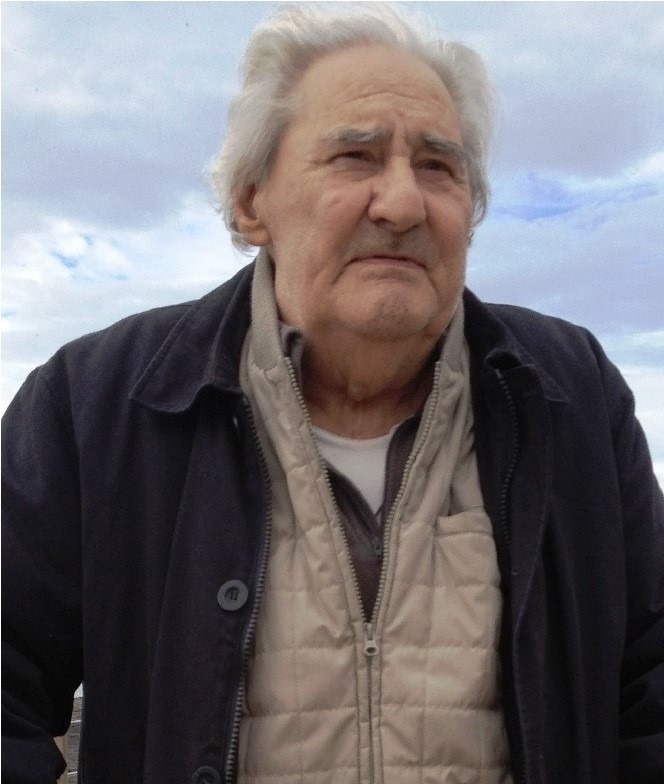
Paolo Salvati, an Italian painter and artist, is a name that resonates deeply within the world of expressionist art. Born on February 22, 1939, in Rome, Salvati’s life was a vivid tapestry of creativity, spanning multiple disciplines, including painting, restoration, and even lutherie—the craft of making string instruments. His artistic journey was one marked by transformation, passion, and an unyielding dedication to his craft. Salvati’s works, deeply rooted in the Italian art scene, encapsulate the essence of modern expressionism, with a touch of personal and cultural reflection. This article delves into the life and achievements of Paolo Salvati, exploring the nuances of his work, his rise to fame, and his enduring legacy in the world of art.
Early Life and Artistic Beginnings
Paolo Salvati’s journey into the world of art began in the heart of Rome, where he was born and raised. His early years were characterized by a profound sensitivity to the visual arts, which led him to develop a strong foundation in freehand drawing and color theory. Despite initially pursuing a career as a surveyor—a profession that demanded precision and a scientific approach—Salvati’s passion for art never waned.
In the mid-1960s, Salvati made a pivotal decision to transition from his technical career to fully embrace his artistic inclinations. He began to immerse himself in the world of painting, drawing inspiration from his maternal uncles, Gabriele and Fernando Patriarca, both of whom were accomplished artists. This period of artistic exploration was crucial in shaping Salvati’s unique style, which would later be recognized as a distinctive blend of expressionism and lyrical abstraction.
Artistic Evolution and Recognition
Salvati’s professional art career took off in the late 1960s, with his first exhibitions held in various cities across Sardinia, including Cagliari, Oristano, and Bosa. These early works, primarily oil paintings on canvas, showcased Salvati’s burgeoning talent and his ability to convey deep emotional resonance through his art.
The 1970s marked a significant period of growth for Salvati as he participated in several high-profile art exhibitions in Rome, including the prestigious Rassegne di Arti Plastiche e Figurative at Trinità dei Monti and Galleria Alberto Sordi. His works during this time were noted for their use of vivid colors, bold brushstrokes, and a profound sense of emotional depth. Salvati’s ability to blend technical skill with expressive freedom garnered him a growing following among art collectors and critics alike.
Signature Works and Style
Paolo Salvati’s signature style can be best described as a fusion of expressionism with a deeply personal and introspective approach to art. His works often feature dreamlike landscapes, surreal compositions, and a vibrant use of color that evokes a sense of wonder and introspection. Among his most notable works are the “Pietra Blu” series (1973-1974), “Sogni di Primavera d’Alta Montagna” (1974), and the “Alberi Blu” series (1980). These pieces are characterized by their ethereal quality, where reality and imagination intertwine to create a visually stunning and emotionally charged experience.
Salvati’s fascination with nature, particularly the elements of water and mountains, is a recurring theme in his work. His paintings often depict fantastical landscapes where the natural world is imbued with a sense of mysticism and spiritual significance. This connection to nature is further emphasized in his “Montagna Gialla” series (1991) and “Fronde Rosse” series (1993-2000), where the artist explores the interplay of light, color, and form to convey the beauty and power of the natural environment.
A Multifaceted Artist
Beyond painting, Paolo Salvati was also an accomplished restorer and luthier, demonstrating his versatility as an artist. His expertise in the creation of handcrafted frames, as well as his innovative approach to lutherie, particularly in the design and construction of classical guitars, showcased his dedication to the craft and his commitment to artistic excellence.
Salvati’s work as a luthier was not merely a technical pursuit but an extension of his artistic expression. He approached the construction of each guitar as a form of art, meticulously selecting materials and designing unique shapes and forms that were both visually and acoustically pleasing. His guitars were highly sought after by musicians and collectors, further cementing his reputation as a master craftsman.
Recognition and Awards
Paolo Salvati’s contributions to the art world did not go unnoticed. Throughout his career, he received numerous accolades and honors that recognized his artistic achievements and his impact on the Italian art scene. In 2001, one of his works was acquired by the Museo d’Arte Moderna e Contemporanea di Anticoli Corrado, a significant milestone that affirmed his status as a respected contemporary artist.
In December 1996, Salvati was awarded the prestigious ArtItalia prize at the Rassegna d’Arte Contemporanea in Rome, where he exhibited his painting “Scogliera in Notturno,” an evocative oil on canvas that captured the mysterious beauty of a nighttime seascape. This recognition was followed by a series of solo and group exhibitions, including a notable participation in the Biennale d’Arte Contemporanea in Trani, curated by the Giuseppe De Nittis Foundation.
Perhaps one of the most unique honors bestowed upon Salvati came in October 2012, when a replica of one of his portraits was displayed on the hood of a Ferrari 458 Italia during the Italian GT Sprint Championship at the Monza National Autodrome. This unprecedented event marked the first time a racing car had featured the artwork of an Italian painter, highlighting Salvati’s broad appeal and the innovative ways in which his art was celebrated.
In recognition of his artistic contributions, Paolo Salvati was awarded the honorary title of Cavaliere dell’Ordine al Merito della Repubblica Italiana in December 2012. This prestigious distinction, granted by the President of the Italian Republic, underscored Salvati’s significant impact on Italian culture and his enduring legacy as a master artist.
Legacy and Influence
Paolo Salvati’s legacy extends far beyond his paintings and artistic achievements. His work has been documented in numerous art catalogs and publications, including the “Catalogo dell’Arte Moderna” series by Giorgio Mondadori, which has featured Salvati’s work in several editions from 2009 to 2012. These publications serve as a testament to his enduring influence in the world of contemporary art and his role in shaping the Italian art scene of the late 20th and early 21st centuries.
Salvati’s influence can also be seen in the way he inspired a new generation of artists to explore the boundaries of expressionism and to embrace the fusion of traditional techniques with modern artistic concepts. His dedication to his craft, his willingness to experiment, and his commitment to capturing the emotional essence of his subjects continue to resonate with artists and art lovers alike.
Conclusion
Paolo Salvati was more than just a painter; he was a visionary artist whose work transcended the boundaries of traditional art forms. His ability to convey deep emotion through his paintings, combined with his technical skill and innovative approach to both painting and lutherie, made him a unique and influential figure in the world of art. Salvati’s life and career are a testament to the power of creativity and the enduring impact of art on culture and society. As we reflect on his contributions, it is clear that Paolo Salvati’s legacy will continue to inspire and influence the world of art for generations to come.


