
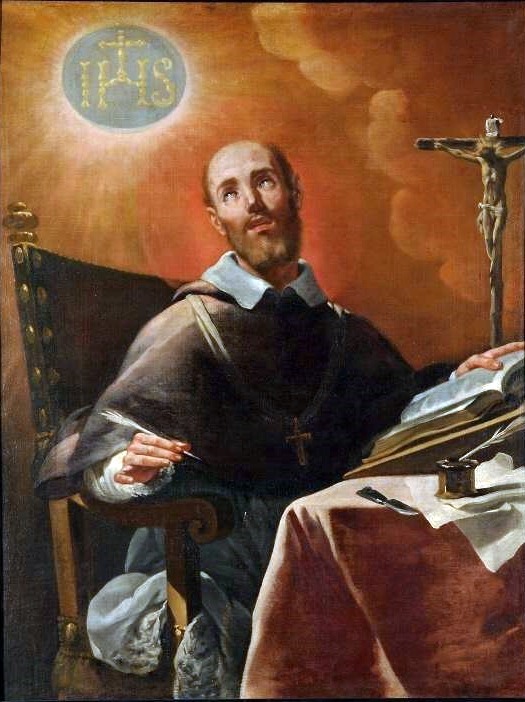
San Francesco di Sales is a figure of profound influence in the history of Christianity, often regarded as the father of modern spirituality. His life and works left an indelible mark on the religious and cultural landscapes of Europe, particularly during the 17th century, a time marked by significant religious upheaval. In this article, we delve into the life, fame, and significant contributions of San Francesco di Sales, exploring his legacy through the lens of his age, his enduring fame, and the highlights of his life.
Early Life and Education
San Francesco di Sales was born in 1567 at the Castle of Thorens in the Duchy of Savoy, which is now part of modern-day France. He hailed from a family of ancient nobility, which afforded him an upbringing steeped in both cultural refinement and religious devotion. His early education was thorough and expansive, ultimately leading him to study law at the prestigious universities of Paris and Padua.
While studying law, Francesco’s interest in theology began to overshadow his legal studies. This growing passion for religious life culminated in his decision to pursue a vocation in the priesthood, a choice that would define the rest of his life.
Theological Mission and Confrontation with Calvinism
The period in which San Francesco di Sales lived was one of significant religious conflict. The Protestant Reformation, led by figures such as John Calvin, had taken root in Europe, challenging the hegemony of the Catholic Church. Driven by a deep desire to preserve the Christian faith amidst these challenges, Francesco sought and obtained permission from the Bishop of Geneva to work in the city, which was then a stronghold of Calvinism.
Geneva was not only a bastion of Protestant reformers but also a symbol of the broader Protestant Reformation. Francesco’s mission in Geneva was fraught with challenges, yet his approach was marked by a unique combination of intellectual rigor and gentle persuasion. He engaged in theological discussions with Protestants, always with the aim of reconciling them to the Catholic Church. His methods were effective, and he succeeded in converting many back to Catholicism, though the city itself remained largely under Protestant control.
Pastoral Work and Spiritual Writings
San Francesco di Sales is perhaps best known for his pastoral work and his contributions to Christian spirituality. He was deeply concerned with the spiritual lives of laypeople, particularly those living ordinary lives amidst the daily struggles of the world. He sought to make Christian teachings accessible and relevant to all, not just the clergy or those living in monasteries.
His approach to pastoral care was revolutionary for its time. He emphasized the importance of love and gentleness in guiding the faithful, believing that God’s presence permeated all aspects of human life. This philosophy is evident in his most famous works, including “Introduction to the Devout Life” (Filotea) and “Treatise on the Love of God.” These writings are characterized by their accessible language and practical advice, making them enduring spiritual classics.
Influence and Legacy
San Francesco di Sales’ influence extended beyond his lifetime. In recognition of his contributions, he was appointed as the Bishop of Geneva. Although Geneva itself did not return to Catholicism, his work had a profound impact on the surrounding regions and the Catholic Church as a whole.
One of the most significant relationships in Francesco’s life was with Jeanne de Chantal, a devout widow whom he met in Dijon. Their spiritual correspondence led to the founding of the Order of the Visitation, a religious community dedicated to the spiritual education and care of women. This order grew rapidly and became a model of religious life for women across Europe.
San Francesco di Sales passed away on December 28, 1622, in Lyon. His canonization in 1665 was a testament to his enduring influence, and he was later declared a Doctor of the Church in 1877. In 1923, he was named the patron saint of Catholic journalists, a recognition of his eloquent and effective communication of Christian teachings.
Historical Context and Modern Relevance
Understanding the life of San Francesco di Sales requires an appreciation of the historical context in which he lived. The 16th and 17th centuries were a time of significant religious conflict in Europe. The Protestant Reformation had fractured the unity of Christendom, leading to wars, persecutions, and widespread religious uncertainty. In this climate, figures like San Francesco di Sales were crucial in articulating and defending Catholic doctrine while also addressing the spiritual needs of the faithful.
Francesco’s emphasis on love, gentleness, and the universal call to holiness resonates even today. His teachings encourage a spirituality that is both deeply rooted in tradition and accessible to everyone, regardless of their state in life. This universal appeal is one reason why his writings continue to be read and studied by Christians around the world.
His influence can also be seen in the foundation of the Salesians, a religious congregation established by another prominent Catholic figure, St. John Bosco, in the 19th century. The Salesians, inspired by San Francesco di Sales, focus on the education and spiritual formation of young people, particularly those from disadvantaged backgrounds.
San Francesco di Sales and the Power of Communication
San Francesco di Sales was also a master communicator, which is perhaps why he was eventually named the patron saint of journalists. He understood the power of words and used them effectively to convey complex theological concepts in a manner that was both understandable and appealing to a broad audience. His ability to intertwine images and ideas in his writings made him an elegant prose writer, whose works are still appreciated for their literary as well as their spiritual value.
In a time when the Catholic Church faced numerous challenges from both within and without, Francesco’s ability to articulate the faith in a compelling and compassionate way was invaluable. His writings helped to counteract the spread of Protestantism and provided a strong foundation for the spiritual renewal of the Catholic Church in the post-Reformation era.
The Enduring Fame of San Francesco di Sales
The fame of San Francesco di Sales endures to this day, not only because of his significant contributions during his lifetime but also because of the continued relevance of his teachings. His approach to spirituality, which emphasized the love of God as the foundation of all human actions, continues to inspire people across different cultures and religious traditions.
Moreover, his emphasis on the importance of lay spirituality – the idea that everyone, regardless of their position in life, is called to holiness – was revolutionary in his time and remains a central tenet of Catholic teaching today. His life and works remind us that true spirituality is not confined to the cloister but can and should be lived out in the world.
Conclusion
San Francesco di Sales was a man of his time, yet his teachings transcend the era in which he lived. His life is a testament to the power of love, gentleness, and effective communication in the service of faith. As we continue to navigate a world that is often divided and uncertain, the lessons of San Francesco di Sales offer a timeless guide for living a life of deep spiritual commitment and compassion.
His legacy as the father of modern spirituality, a skilled theologian, a gentle pastor, and a master communicator continues to be celebrated by those who seek to follow his example of living a devout life in the midst of the world’s challenges.


