
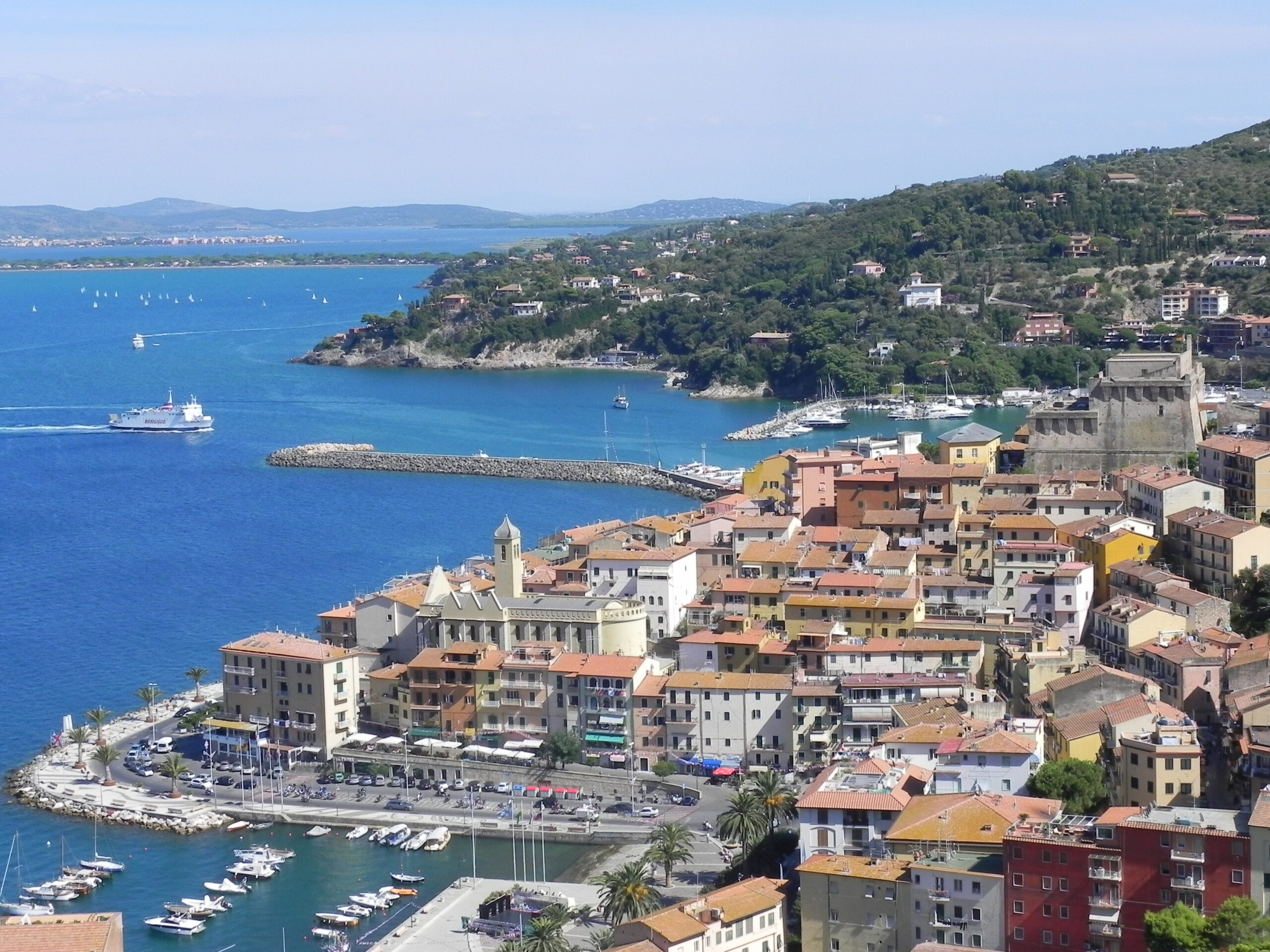
Santo Stefano, also known as Saint Stephen, holds a significant place in Christian history as the first martyr of the faith. His story, deeply rooted in the early days of Christianity, continues to inspire millions of believers worldwide. This article delves into the life, martyrdom, and enduring legacy of Santo Stefano, exploring the historical and religious context that surrounds him.
Early Life and Background
The name “Stefano” (Stephen in English) derives from the Greek word “Stephanos,” meaning “crowned” or “honored.” While much about Santo Stefano’s early life remains shrouded in mystery, it is generally believed that he was born a few years before the birth of Jesus Christ. His exact birthplace is uncertain, but some scholars suggest that he might have been of Greek origin or possibly a Hellenistic Jew—one who was a Jew by faith but culturally Greek.
Santo Stefano’s early life likely involved deep immersion in Jewish traditions and the study of Hebrew scriptures, which were integral to the Hellenistic Jewish communities of that time. These communities were known for their integration of Greek culture and language with Jewish religious practices, making Stefano well-versed in both traditions. This dual heritage would later play a crucial role in his work as a deacon in the early Christian Church.
Role in the Early Christian Church
Santo Stefano emerged as a prominent figure in the nascent Christian community in Jerusalem. As described in the Acts of the Apostles, Stefano was one of the seven deacons appointed by the Apostles to assist in the distribution of food and aid to the poor, particularly among the widows. The appointment of these deacons was crucial as the early Church sought to ensure that all members, regardless of their background, were cared for equitably.
Stefano’s role as a deacon was not limited to charitable works. He was also a powerful preacher, known for his ability to articulate the teachings of Jesus Christ and convert many to the new faith. His deep understanding of both Jewish and Hellenistic cultures allowed him to connect with a wide audience, making him a vital figure in spreading Christianity beyond its Jewish roots.
Conflict with Jewish Authorities
Santo Stefano’s success in converting Jews to Christianity soon drew the ire of the Jewish religious authorities, particularly among the Hellenistic Jews who viewed him as a threat. His teachings were seen as blasphemous, especially his claims that Jesus was the Messiah and that the Jewish law and temple rituals were no longer the sole path to God.
The growing tension between Stefano and the Jewish authorities culminated in his being brought before the Sanhedrin, the supreme religious court of the Jews. Accused of blasphemy, Stefano delivered a passionate defense, recounting the history of Israel and accusing the Jewish leaders of resisting God’s will and persecuting the prophets. His speech, as recorded in the Acts of the Apostles, was both a profound testimony of his faith and a scathing critique of the Jewish establishment.
Martyrdom of Santo Stefano
Santo Stefano’s boldness in confronting the Sanhedrin ultimately led to his death. Enraged by his accusations, the members of the Sanhedrin, along with an incited mob, dragged Stefano out of the city and stoned him to death. His martyrdom is a poignant moment in Christian history, symbolizing the ultimate sacrifice for one’s faith.
As he was being stoned, Stefano is said to have gazed into heaven and seen a vision of Jesus standing at the right hand of God. His final words, “Lord, do not hold this sin against them,” echo Jesus’ own words of forgiveness on the cross, further cementing Stefano’s place as a Christ-like figure in early Christianity.
One notable figure present at Stefano’s martyrdom was Saul of Tarsus, who would later become the Apostle Paul, one of Christianity’s most influential figures. Saul’s presence at Stefano’s execution highlights the deep-seated opposition to the early Christian movement, which he himself would later champion after his dramatic conversion.
The Spread of Stefano’s Cult and Relics
Following his death, Santo Stefano’s legacy grew rapidly. He was recognized as the first Christian martyr, or “protomartyr,” and his story became a powerful symbol of faith and courage in the face of persecution. The early Christian community revered Stefano, and his martyrdom became a rallying point for believers facing their own trials.
The veneration of Santo Stefano took on new significance with the discovery of his relics in 415 AD. According to tradition, the relics were found in a tomb in Jerusalem and were later distributed across the Christian world. The veneration of these relics was associated with numerous miracles, further enhancing Stefano’s reputation as a powerful intercessor for the faithful.
In Europe, the spread of Stefano’s relics was often accompanied by stories of miraculous healings and divine interventions. One of the most famous relics, believed to be part of Stefano’s skull, was brought to Putignano in southern Italy in 1394 to protect it from Saracen invaders. This event is said to have sparked the tradition of the Putignano Carnival, one of the oldest and most famous carnivals in Europe.
Santo Stefano’s Feast Day and Cultural Impact
Santo Stefano’s influence extends far beyond his martyrdom and the miracles associated with his relics. His feast day, celebrated on December 26th, the day after Christmas, is a significant holiday in many Christian countries. In Italy, Santo Stefano’s Day is a public holiday, marked by religious services and family gatherings. The timing of the feast day, so close to Christmas, underscores Stefano’s importance in the Christian liturgical calendar as the first to give his life for the faith.
The celebration of Santo Stefano has also left a lasting mark on Christian art and architecture. Numerous churches and basilicas dedicated to him can be found across Europe, particularly in Italy, where his cult was especially strong. In Rome alone, there are over thirty churches dedicated to Santo Stefano, each bearing testimony to his enduring legacy.
In Christian iconography, Santo Stefano is often depicted in the dalmatic, the traditional vestment of a deacon, holding the stones that were used in his martyrdom. This imagery serves as a powerful reminder of his role as both a servant of the Church and a witness to the faith through his death.
Santo Stefano as a Patron Saint
Santo Stefano’s significance in Christian tradition is further reflected in his status as a patron saint. He is invoked as the patron of deacons, stonemasons, and those suffering from headaches and kidney stones, reflecting the circumstances of his martyrdom. His association with these ailments is believed to stem from the stones used to kill him, which have come to symbolize both physical and spiritual afflictions.
In addition to these roles, Santo Stefano is also considered a protector against calamities and a powerful intercessor in times of need. His patronage is particularly strong in Italy, where many towns and villages bear his name and celebrate his feast day with great devotion.
Historical and Religious Context
The story of Santo Stefano is deeply intertwined with the early history of Christianity and the broader religious and social context of the time. His martyrdom occurred during a period of intense conflict between the emerging Christian movement and the established Jewish authorities. This conflict was part of a larger struggle over the interpretation of Jewish law and the role of the temple in religious life.
Santo Stefano’s defense before the Sanhedrin reflects the theological debates of the time, particularly the question of whether Jesus was the promised Messiah and the implications of this belief for Jewish law. His martyrdom marked a turning point in the history of Christianity, as it demonstrated the willingness of believers to die for their faith and helped to solidify the Christian identity as distinct from Judaism.
Stefano’s story also highlights the role of Hellenistic Jews in the spread of Christianity. As a likely Hellenistic Jew himself, Stefano was part of a broader movement that sought to bring the message of Jesus to a diverse and cosmopolitan audience. This movement was instrumental in transforming Christianity from a small Jewish sect into a global religion.
Conclusion
Santo Stefano’s life, martyrdom, and legacy are central to the history of Christianity. As the first martyr, he set a precedent for countless others who would follow in his footsteps, facing persecution and death for their beliefs. His story is a testament to the power of faith, courage, and forgiveness, qualities that continue to inspire Christians around the world.
The widespread veneration of Santo Stefano, from the early Church to the present day, reflects his enduring significance in the Christian tradition. His feast day, relics, and patronage all serve as reminders of his pivotal role in the history of the faith. As we remember Santo Stefano, we are reminded of the profound impact that one individual’s commitment to their beliefs can have on the course of history.


