
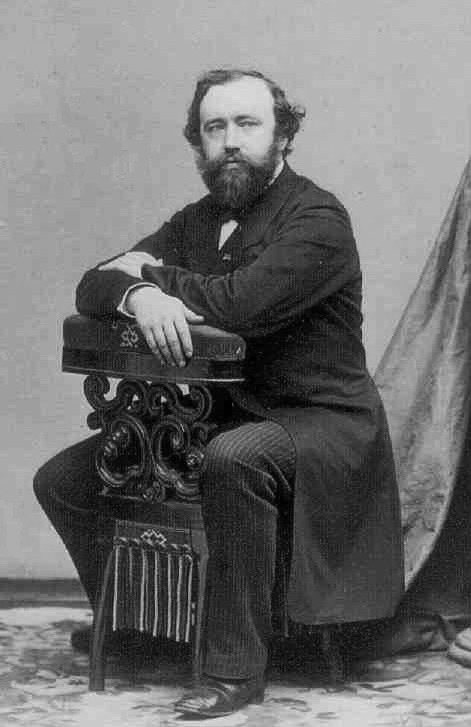
Antoine-Joseph Adolphe Sax, more commonly known as Adolphe Sax, is one of the most influential figures in the history of music, celebrated primarily as the inventor of the saxophone. Born on November 6, 1814, in Dinant, Belgium, Sax’s innovations in musical instrument design have had a lasting impact on both classical and popular music. His life was marked by creativity, perseverance, and a relentless drive to push the boundaries of musical expression.
Early Life and Influences
Adolphe Sax was born into a family deeply rooted in the craft of musical instrument making. His father, Charles-Joseph Sax, owned a workshop that specialized in the construction of woodwind and brass instruments. Growing up in this environment, young Adolphe was exposed to the intricacies of instrument design and manufacturing from an early age. This exposure sparked his interest in music and set the stage for his future innovations.
Sax’s early education in music was comprehensive. He studied the flute and clarinet at the Conservatory of Brussels, where he developed a keen understanding of the mechanics and acoustics of wind instruments. It was during these formative years that Sax began to contemplate improvements to existing instruments, particularly the clarinet and the bass clarinet. His goal was to create a new instrument that could bridge the gap between the woodwind and brass families, an idea that would eventually lead to the invention of the saxophone.
The Invention of the Saxophone
Adolphe Sax’s most significant contribution to music was the invention of the saxophone, an instrument that has become synonymous with both classical and jazz music. Sax’s initial concept for the saxophone was to create an instrument that combined the power and projection of brass instruments with the agility and expressiveness of woodwinds. He began working on this idea in the late 1830s, experimenting with various designs and materials.
By 1841, Sax had completed the first prototype of the saxophone. The instrument featured a conical brass body and a single-reed mouthpiece similar to that of a clarinet. This unique combination gave the saxophone its distinctive sound, which is both rich and versatile. Sax’s new instrument was a revolutionary addition to the world of music, offering a dynamic range and tonal flexibility that were unmatched by any other instrument at the time.
In 1842, Sax moved to Paris, where he began to introduce his new instrument to the public. His first major success came when he performed on the saxophone for a select audience of musicians and composers. Among those present was the renowned composer Hector Berlioz, who became an immediate supporter of Sax’s invention. Berlioz praised the saxophone in an article published in a Parisian music journal, describing its sound as “full, soft, and penetrating,” and noting its potential to transform orchestral music.
The Saxophone’s Impact on Music
Following its introduction, the saxophone quickly gained popularity, particularly in military bands. In the mid-19th century, military bands were one of the most prominent platforms for music performance, and the saxophone’s powerful sound made it an ideal addition to these ensembles. The French government, recognizing the instrument’s potential, began incorporating saxophones into its military bands, further boosting Sax’s reputation.
The adoption of the saxophone by military bands also helped it gain acceptance in classical music circles. Composers began to explore the saxophone’s unique sound, incorporating it into their works. Early adopters included Jean-Baptiste Singelée and Georges Kastner, who composed some of the first pieces specifically for the saxophone. As the instrument’s popularity grew, more established composers such as Hector Berlioz, Georges Bizet, Camille Saint-Saëns, and Jules Massenet began to include the saxophone in their orchestral works.
By the early 20th century, the saxophone had firmly established its place in both classical and popular music. Composers such as Claude Debussy, Maurice Ravel, and Igor Stravinsky wrote pieces that highlighted the saxophone’s expressive capabilities, helping to elevate the instrument’s status within the classical music tradition. The saxophone’s versatility also made it a natural fit for the emerging genre of jazz, where it quickly became one of the most iconic instruments.
Challenges and Setbacks
Despite his groundbreaking achievements, Adolphe Sax’s life was not without challenges. The innovative nature of his work often put him at odds with more traditional instrument makers, who were resistant to change. Sax faced numerous legal battles as other manufacturers attempted to infringe on his patents or challenge the originality of his designs. These disputes drained Sax’s financial resources and contributed to his eventual bankruptcy in 1856 and again in 1873.
Sax also faced personal hardships, including a devastating fire that destroyed his workshop and much of his work. Despite these setbacks, Sax continued to innovate and refine his instruments. He held numerous patents throughout his career, not only for the saxophone but also for other brass instruments, including improvements to the design of the ophicleide and the development of the saxhorn family of instruments.
Later Life and Legacy
In the later years of his life, Adolphe Sax’s contributions to music began to receive greater recognition. In 1847, he was appointed as a professor of saxophone at the Paris Conservatory, a position that allowed him to teach and mentor the next generation of musicians. Through his teaching, Sax helped to establish a formal tradition of saxophone performance and pedagogy, which has continued to evolve to this day.
Despite his financial struggles, Sax’s legacy as an innovator and musician endured. By the time of his death on February 7, 1894, the saxophone had become an integral part of both classical and popular music. The instrument’s adoption by jazz musicians in the early 20th century further solidified its place in music history. Jazz legends such as Coleman Hawkins, Lester Young, Charlie Parker, and John Coltrane transformed the saxophone into an instrument synonymous with improvisation and expression.
Today, the saxophone is one of the most widely played instruments in the world, used in genres ranging from classical and jazz to rock and pop. Modern manufacturers, including Selmer, Conn, and Yamaha, continue to produce saxophones based on Sax’s original designs, ensuring that his legacy lives on in the instruments played by musicians around the globe.
The Saxophone in Modern Music
The saxophone’s journey from a niche instrument in 19th-century military bands to a central figure in 20th-century jazz and beyond is a testament to its adaptability and unique sound. In the jazz age of the 1920s and 1930s, the saxophone became the defining voice of the big band era. Musicians like Glenn Miller, Duke Ellington, and Benny Goodman featured saxophone sections in their orchestras, creating the swinging, danceable rhythms that characterized the era.
As jazz evolved, so too did the role of the saxophone. The bebop movement of the 1940s and 1950s, led by artists like Charlie Parker and Dizzy Gillespie, pushed the technical boundaries of the saxophone, with rapid tempos, complex harmonies, and virtuosic improvisations. This era solidified the saxophone’s place as a leading instrument in jazz, capable of both melodic beauty and rhythmic intensity.
In the latter half of the 20th century, the saxophone found a home in a variety of other musical genres. Rock and roll, soul, and rhythm and blues all incorporated the saxophone’s expressive sound, with artists like King Curtis, Junior Walker, and Clarence Clemons bringing the instrument to the forefront of popular music. The saxophone’s ability to convey emotion, whether through a sultry ballad or an energetic solo, made it a favorite among musicians and listeners alike.
Conclusion
Antoine-Joseph Adolphe Sax’s contributions to the world of music cannot be overstated. As the inventor of the saxophone, he not only created an instrument that bridged the gap between woodwinds and brass but also one that has become a cornerstone of musical expression across multiple genres. Sax’s life, marked by both triumph and adversity, reflects the challenges faced by many innovators who push the boundaries of their fields.
Today, the saxophone continues to inspire musicians and composers, its sound as vital and relevant as ever. From the concert halls of classical music to the smoky clubs of jazz and the stages of rock concerts, the saxophone’s legacy is a testament to Adolphe Sax’s genius and enduring impact on the world of music.


