
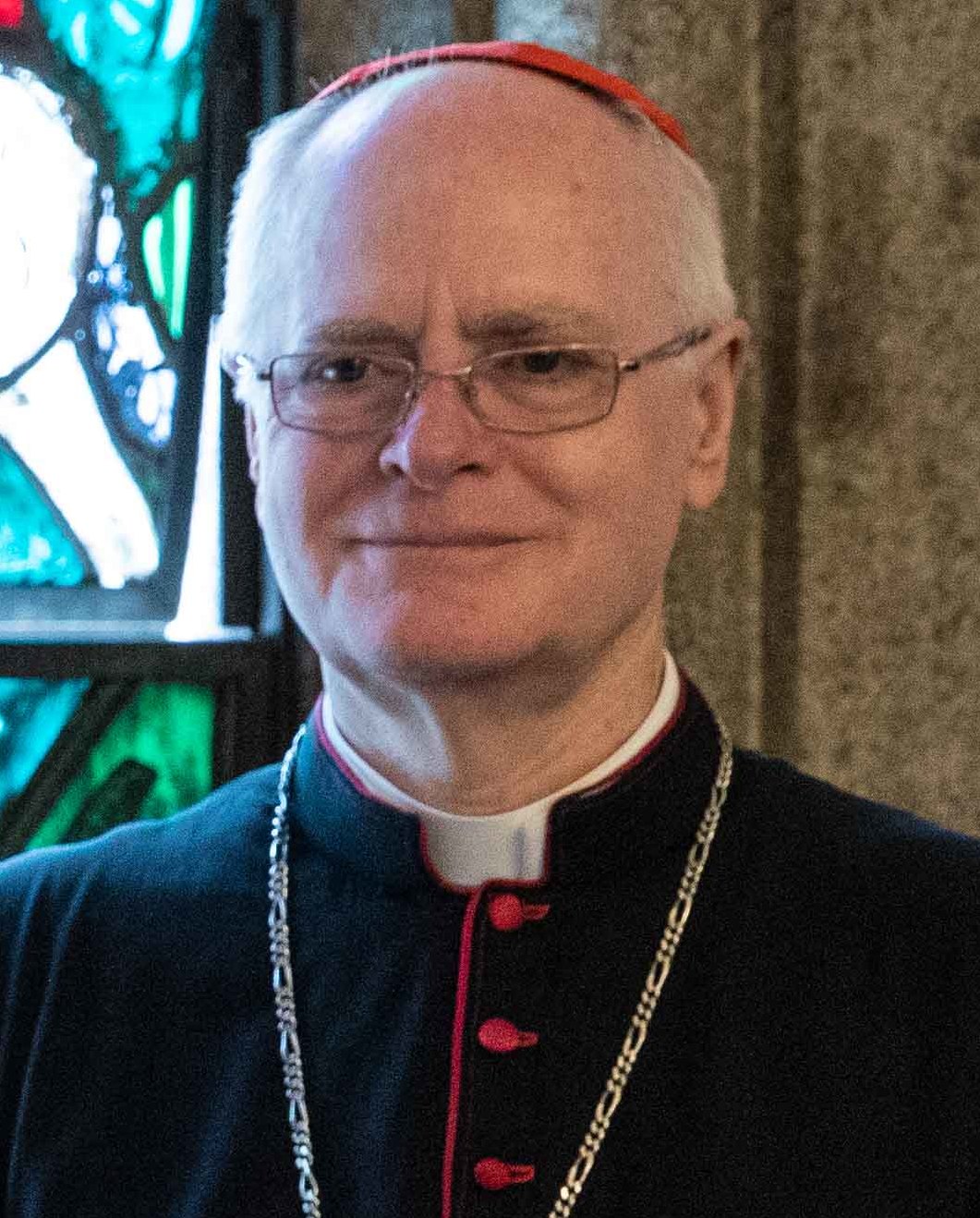
Odilo Pedro Scherer is a prominent figure in the Roman Catholic Church, particularly in Brazil. As the Archbishop of São Paulo and a Cardinal, Scherer has played a significant role in shaping the religious and social landscape of his country. Born on September 21, 1949, in Cerro Largo, Brazil, Scherer’s life is a testament to his deep commitment to his faith and his influence within the global Catholic community. This article delves into the life and achievements of Odilo Pedro Scherer, exploring his journey from a small town in Brazil to becoming one of the most recognized figures in the Catholic Church.
Early Life and Education
Odilo Pedro Scherer was born into a family of German descent in the southern Brazilian state of Rio Grande do Sul. His parents, Francisca Steffens and Edwino Scherer, were of German origin, with his father hailing from Tholey and his mother being the daughter of immigrants from the Saarland region. Growing up in a devout Catholic family, Scherer was introduced to the teachings of the Church at an early age, which laid the foundation for his future vocation.
Scherer’s early education took place in Curitiba, where he attended a seminary, marking the beginning of his religious training. His academic journey continued at the Pontifical Catholic University of Paraná, where he pursued studies in philosophy and theology. Recognizing his potential, the Church sent him to Rome to further his education at the Pontifical Gregorian University, one of the most prestigious institutions for theological studies. This period of study in Rome was crucial in shaping Scherer’s theological perspective and his understanding of the global Church.
Ordination and Early Career
Odilo Pedro Scherer was ordained as a priest on December 7, 1976, by Archbishop Armando Cirio. His early years as a priest were spent in the diocese of Cascavel, where he served as a director and teacher at the diocesan seminary. Scherer’s dedication to education and his commitment to nurturing future priests were evident from the start of his career. Between 1979 and 1982, he continued his teaching at the diocesan seminary in Toledo, further establishing his reputation as a dedicated educator and pastor.
In addition to his teaching responsibilities, Scherer was actively involved in theological education at the Instituto Teologico Paulo VI in Toledo and later at the Centro Interdiocesano de Teologia in Cascavel. His academic contributions extended to the Universidade Estadual do Oeste do Paraná, where he taught theology until 1994. Scherer’s influence as an educator helped shape the minds and spirits of many young priests, ensuring that his impact on the Church would be felt for generations.
Role in the Roman Curia
In 1994, Scherer’s career took a significant turn when he was called to serve in the Roman Curia, the central governing body of the Catholic Church. For the next seven years, he worked in the Congregation for Bishops, a key department responsible for the selection and oversight of bishops around the world. This role provided Scherer with a unique perspective on the global Church and deepened his understanding of the challenges and opportunities facing Catholicism in different parts of the world.
During his time in Rome, Scherer also served as a pastor and chaplain during his free time, demonstrating his continued commitment to pastoral care despite his administrative responsibilities. His experience in the Curia not only expanded his horizons but also prepared him for greater responsibilities within the Church.
Bishopric and Leadership in Brazil
On November 28, 2001, Odilo Pedro Scherer was appointed Auxiliary Bishop of São Paulo and Titular Bishop of Novi. He was consecrated as a bishop on February 2, 2002, by Cardinal Claudio Hummes, the then Archbishop of São Paulo. Scherer’s appointment marked the beginning of his leadership in one of the largest and most influential dioceses in Brazil.
As Auxiliary Bishop, Scherer played a crucial role in supporting the Archdiocese of São Paulo, particularly in its vast and diverse pastoral activities. His work in São Paulo, a city with significant social and economic challenges, allowed him to engage directly with the faithful and address the pressing issues of urban ministry.
In 2003, Scherer’s leadership abilities were further recognized when he was appointed Secretary General of the Brazilian Bishops’ Conference. This role placed him at the heart of the Church’s efforts to address social justice, poverty, and the needs of the Brazilian people, aligning with the Church’s mission to serve the marginalized.
Archbishop of São Paulo
Odilo Pedro Scherer’s rise to prominence continued on March 21, 2007, when Pope Benedict XVI appointed him as the seventh Archbishop of São Paulo. This appointment was significant as it marked the end of nearly four decades of Franciscan leadership in the Archdiocese. Scherer succeeded Cardinal Hummes, who had been appointed Prefect of the Congregation for the Clergy in the Vatican.
As Archbishop, Scherer took on the immense responsibility of leading one of the largest Catholic archdioceses in the world. São Paulo, a city with a population of over 12 million people, is a microcosm of Brazil’s social and economic diversity. Scherer’s leadership in this context required a delicate balance of pastoral care, social advocacy, and administrative oversight.
In May 2007, Scherer had the honor of accompanying Pope Benedict XVI during his visit to Brazil, a significant event for the Catholic Church in the country. Scherer’s involvement in this visit, including delivering a speech during the welcoming ceremony, highlighted his standing within the Church and his role as a key figure in Brazilian Catholicism.
Cardinalate and Global Influence
Odilo Pedro Scherer’s influence within the Catholic Church reached new heights on November 24, 2007, when Pope Benedict XVI elevated him to the College of Cardinals. As a Cardinal, Scherer was assigned the title of Sant’Andrea al Quirinale, a prestigious church in Rome. His elevation to the cardinalate was a recognition of his leadership and his contributions to the Church, both in Brazil and globally.
As a Cardinal, Scherer became a member of several important Vatican congregations, including the Congregation for the Clergy and the newly established Pontifical Council for the Promotion of the New Evangelization. His involvement in these bodies reflected his deep commitment to addressing the spiritual and pastoral needs of the Church in the modern world.
Cardinal Scherer has been particularly vocal about the challenges of evangelization in contemporary society. He has expressed concern about the decline in religious practice and the growing secularization of society. In his view, the Church must find new ways to engage with people and convey the timeless message of the Gospel in a way that resonates with modern audiences.
Theological Stance and Advocacy
Theologically, Cardinal Odilo Pedro Scherer is often considered a moderate. He has consistently upheld traditional Catholic teachings on issues such as abortion, emphasizing the sanctity of life. Scherer has also been a strong advocate for the presence of religious symbols, such as the crucifix, in public spaces, arguing that their removal does not benefit the secular interests of society but rather diminishes the cultural and spiritual heritage of Brazil.
One of Scherer’s notable positions has been his critique of the commercialization of religious practices. He has been particularly critical of the trend towards turning religious ceremonies, such as the Mass, into entertainment spectacles. Scherer has underscored the importance of maintaining the sacredness of the liturgy and ensuring that religious practices remain focused on worship and reverence, rather than spectacle.
Legacy and Future Prospects
As one of the most prominent leaders of the Catholic Church in Brazil, Cardinal Odilo Pedro Scherer’s legacy is deeply intertwined with the Church’s efforts to address the challenges of modern society. His leadership in São Paulo has been marked by a commitment to social justice, pastoral care, and the promotion of a deeper understanding of the Catholic faith.
Scherer’s work as a Cardinal extends beyond the borders of Brazil. His participation in the global affairs of the Church, particularly through his work with the Roman Curia, positions him as a significant voice in the ongoing dialogue about the future direction of the Catholic Church.
In addition to his ecclesiastical responsibilities, Scherer remains a respected theologian and educator. His contributions to theological education in Brazil have left a lasting impact, and his writings and speeches continue to influence both clergy and laypeople.
Conclusion
Cardinal Odilo Pedro Scherer’s life and career offer a compelling narrative of dedication to faith, education, and leadership within the Catholic Church. From his humble beginnings in a small town in southern Brazil to his rise as a Cardinal and Archbishop of São Paulo, Scherer’s journey reflects the broader story of the Catholic Church’s role in addressing the challenges of the modern world.
As a leader, Scherer has demonstrated a deep commitment to the pastoral care of his flock, a concern for social justice, and a passion for preserving the integrity of Catholic worship. His influence within the Church, both in Brazil and globally, continues to be felt as he navigates the complex issues facing the Church today.
Cardinal Scherer’s legacy is one of steadfast faith, intellectual rigor, and compassionate leadership. As the Church continues to evolve in response to new challenges, figures like Scherer will play a crucial role in guiding the faithful and ensuring that the message of the Gospel remains relevant in an ever-changing world.


