
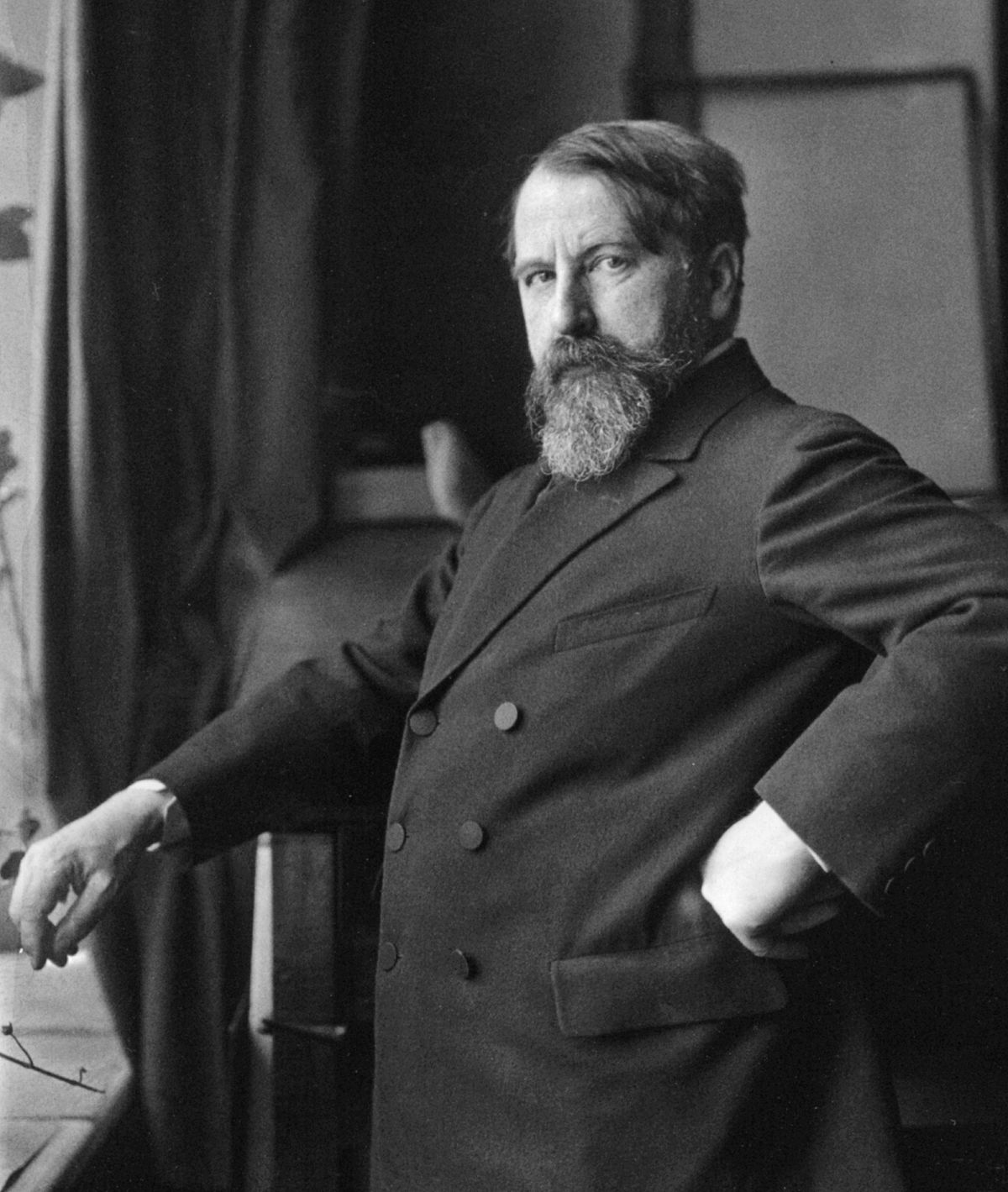
Arthur Schnitzler, born on May 15, 1862, in Vienna, Austria, stands as one of the most significant literary figures of the late 19th and early 20th centuries. A physician turned playwright and novelist, Schnitzler’s work captures the intricacies of human psychology, the nuances of social mores, and the inevitable tensions that arise between individual desires and societal expectations. This article delves into the life, fame, and key highlights of Arthur Schnitzler, exploring his contributions to literature, his influence on modern psychology, and his enduring legacy in the world of arts.
Early Life and Education
Arthur Schnitzler was born into a well-to-do Jewish family in Vienna, a city that was at the time a cultural and intellectual hub of the Austro-Hungarian Empire. His father, Johann Schnitzler, was a prominent laryngologist and a professor at the University of Vienna, while his mother, Luise Markbreiter Schnitzler, was a passionate pianist who nurtured Arthur’s early love for the arts. Schnitzler’s upbringing was one of both intellectual rigor and artistic exposure, laying the groundwork for his future endeavors in literature and medicine.
Schnitzler pursued his education with diligence, following in his father’s footsteps by studying medicine at the University of Vienna. He graduated with a medical degree in 1885, specializing in laryngology. His medical career, however, was short-lived. Though he initially practiced at the Imperial and Royal Vienna General Hospital, his true passion lay in writing. Schnitzler began to explore the world of literature during his medical studies, writing poems, short stories, and plays in his spare time.
Transition to Literature and Early Works
The death of Schnitzler’s father in 1893 was a turning point in his life. After his father’s passing, Schnitzler decided to abandon his medical career and devote himself entirely to writing. This decision marked the beginning of a prolific literary career that would see Schnitzler become one of the most important figures in Austrian literature.
Schnitzler’s early works were marked by a keen observation of the human condition, an interest likely influenced by his medical background and his exposure to the works of Sigmund Freud, a contemporary and fellow Viennese intellectual. Schnitzler’s first significant literary success came with the publication of the novella “Sterben” (Dying) in 1894, which explores the psychological and emotional turmoil of a man facing imminent death.
Following “Sterben,” Schnitzler gained further acclaim with his play “Liebelei” (1895), which delves into the tragic consequences of a young woman’s love affair with a man of higher social standing. This play marked Schnitzler’s growing interest in the themes of love, desire, and the often-destructive consequences of social conventions.
Fame and Controversy
Schnitzler’s fame grew rapidly at the turn of the 20th century, though it was often accompanied by controversy. One of his most infamous works, “Reigen” (1900), also known as “La Ronde,” depicted a series of sexual encounters between various characters from different social strata. The play was initially banned for its explicit content and its candid exploration of sexuality, which scandalized Viennese society. Despite—or perhaps because of—its controversial nature, “Reigen” became one of Schnitzler’s most well-known works, solidifying his reputation as a daring and provocative writer.
Schnitzler’s work often explored the darker aspects of human nature, including the subconscious mind, repressed desires, and the conflict between social norms and individual impulses. His exploration of these themes paralleled the emerging field of psychoanalysis, and Sigmund Freud himself recognized Schnitzler as a kindred spirit. Freud once remarked that Schnitzler seemed to possess an intuitive understanding of the human psyche that had taken Freud years of research to uncover.
In addition to “Reigen,” Schnitzler’s other major works from this period include “Leutnant Gustl” (1900), a novella written entirely in the form of an interior monologue, and “Der grüne Kakadu” (The Green Parrot) (1899), a play that examines the thin line between reality and illusion.
Literary Techniques and Innovations
Arthur Schnitzler is perhaps best known for his pioneering use of narrative techniques that delve into the inner workings of his characters’ minds. One of his most significant contributions to literature is the development of the “interior monologue,” a technique that allows readers to experience the thoughts and emotions of a character in real-time. This technique is prominently featured in “Leutnant Gustl,” where the entire narrative unfolds through the protagonist’s stream of consciousness.
Schnitzler’s use of the interior monologue was groundbreaking and influenced a generation of writers who sought to explore the complexities of the human mind. This narrative style would later be adopted and refined by modernist writers such as James Joyce and Virginia Woolf, who used it to great effect in their own explorations of human consciousness.
Another notable aspect of Schnitzler’s work is his exploration of the theme of duality. This is most evident in his novella “Traumnovelle” (Dream Story) (1926), which inspired Stanley Kubrick’s film “Eyes Wide Shut” (1999). “Traumnovelle” delves into the duality of dreams and reality, as well as the tension between repressed desires and societal expectations. The story’s exploration of the boundaries between the conscious and unconscious mind reflects Schnitzler’s deep engagement with the psychological theories of his time.
Personal Life and Relationships
Schnitzler’s personal life was as complex and layered as the characters he created in his works. In 1903, he married Olga Gussmann, a young actress 20 years his junior, with whom he had two children, Heinrich and Lili. Heinrich would go on to become a director and play a crucial role in preserving and promoting his father’s literary legacy after World War II. Lili, however, was a source of deep personal anguish for Schnitzler. She exhibited signs of emotional instability from a young age and tragically took her own life in 1928, an event that profoundly affected Schnitzler and marked the beginning of his final years of personal and professional decline.
The years leading up to and following World War I were challenging for Schnitzler. The war and its aftermath, combined with his deteriorating health due to otosclerosis, led him to withdraw increasingly from public life. His marriage to Olga ended in divorce in 1921, adding to his sense of isolation and despair. Despite these personal hardships, Schnitzler continued to write, producing some of his most introspective and psychologically complex works during this period.
The Later Years and Legacy
The last years of Schnitzler’s life were marked by a deepening introspection and a focus on themes of mortality, loss, and the passage of time. His later works, such as “Frau Beate und ihr Sohn” (Beate and Her Son) (1913) and “Flucht in die Finsternis” (Flight into Darkness) (1931), reflect a growing preoccupation with the fragility of life and the inevitability of death.
Schnitzler’s final years were also marked by an increasing sense of alienation. The rise of anti-Semitism in Vienna and the broader socio-political changes in Europe left him feeling disconnected from the world around him. Despite his fame, Schnitzler remained a deeply private individual, and his diaries reveal a man who was often at odds with the society in which he lived.
Arthur Schnitzler passed away on October 21, 1931, in Vienna, following a cerebral hemorrhage. He was buried in the Jewish section of Vienna’s Central Cemetery, where his grave remains a site of pilgrimage for admirers of his work.
Historical Context and Reception
Arthur Schnitzler’s work emerged during a period of significant cultural and intellectual upheaval in Europe. The late 19th and early 20th centuries were marked by rapid social change, the rise of modernist movements in art and literature, and the development of new scientific theories, particularly in the fields of psychology and medicine. Schnitzler’s exploration of the human psyche, his critique of social norms, and his innovative narrative techniques placed him at the forefront of these cultural currents.
Schnitzler’s work was often met with mixed reactions during his lifetime. While he was celebrated for his literary achievements, his candid exploration of sexuality and his criticism of societal hypocrisy made him a controversial figure. His depiction of the darker aspects of human nature challenged the moral and social conventions of his time, leading to both acclaim and censure.
Despite the controversies, Schnitzler’s influence on literature and psychology is undeniable. His work anticipated many of the themes and techniques that would later be central to modernist literature, and his exploration of the subconscious mind paralleled the emerging field of psychoanalysis. Today, Schnitzler is recognized as a pioneering figure whose work continues to resonate with readers and scholars alike.
Schnitzler’s Relevance Today
Arthur Schnitzler’s work remains relevant today for its exploration of universal themes such as love, desire, identity, and the complexities of the human mind. In an era marked by increasing awareness of mental health issues and the complexities of human relationships, Schnitzler’s insights into the psyche are more pertinent than ever.
Schnitzler’s narrative techniques, particularly his use of the interior monologue, have left a lasting impact on the development of modern literature. Writers and filmmakers continue to draw inspiration from his work, finding in it a rich source of psychological depth and narrative innovation.
Moreover, Schnitzler’s critique of social hypocrisy and his exploration of the tensions between individual desires and societal expectations remain relevant in contemporary discussions about identity, freedom, and the constraints of social norms. His work challenges readers to confront the complexities of the human condition and to question the assumptions that underlie our understanding of ourselves and the world around us.
Conclusion
Arthur Schnitzler’s life and work represent a unique confluence of medicine, psychology, and literature. His ability to probe the depths of the human mind and to explore the often-conflicted relationship between individual desires and social expectations has secured his place as one of the most important literary figures of the modern era. Schnitzler’s legacy is one of innovation, introspection, and a deep commitment to understanding the complexities of the human condition. His works continue to inspire, challenge, and resonate with audiences around the world, ensuring that Arthur Schnitzler remains a towering figure in the history of literature and beyond.


