
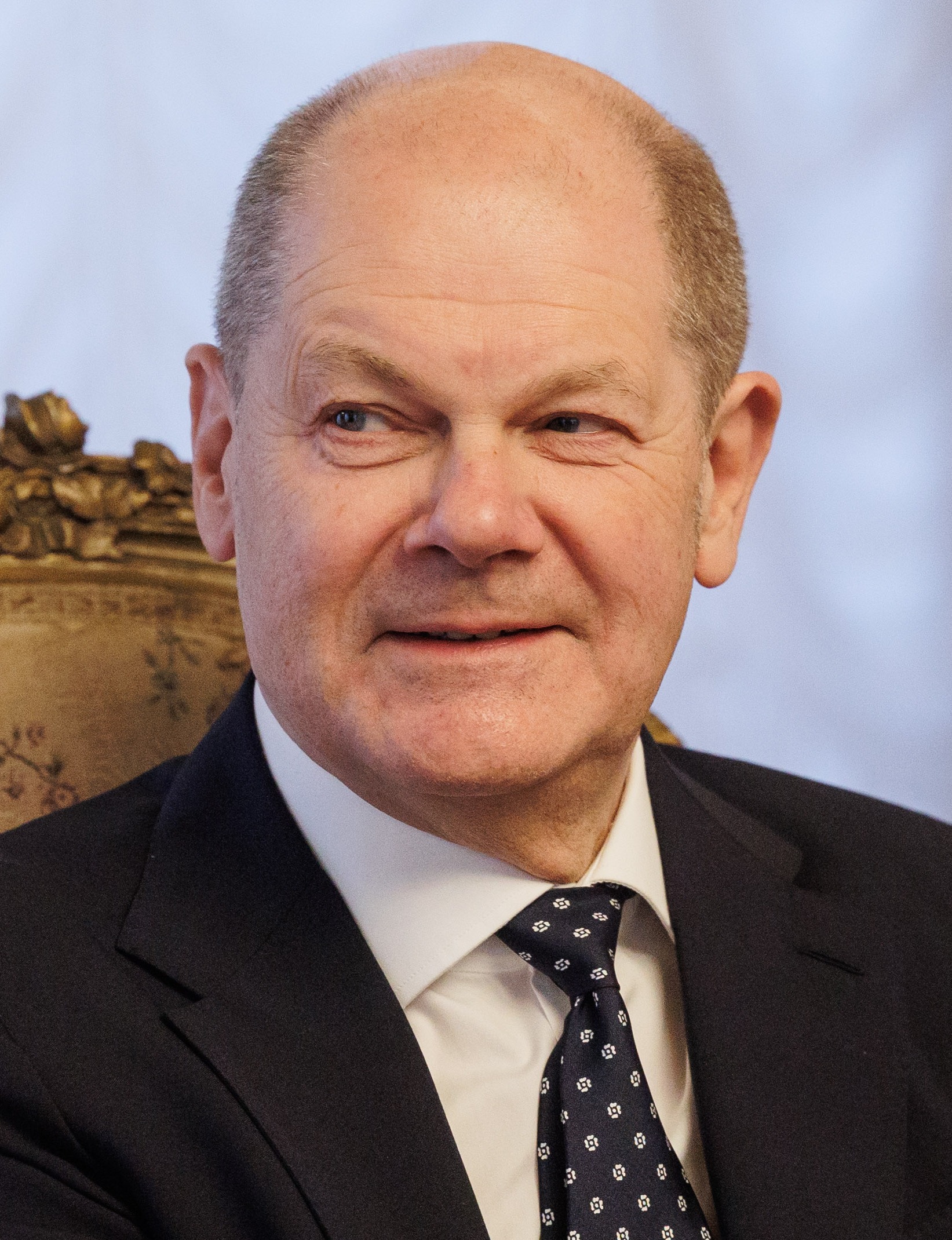
Olaf Scholz, born on June 14, 1958, in Osnabrück, Lower Saxony, Germany, is a prominent figure in contemporary German politics. Rising through the ranks of the Social Democratic Party of Germany (SPD), Scholz has held various key positions, culminating in his election as the Chancellor of Germany in November 2021. As the successor to Angela Merkel, Scholz now leads one of the world’s most influential nations. This article delves into Scholz’s life, his path to fame, and the key moments that have shaped his political career, providing a detailed insight into the man who now stands at the helm of Germany.
Early Life and Education: The Foundation of a Political Career
Olaf Scholz’s early life was marked by modest beginnings. Born into a working-class family, Scholz spent most of his formative years in Hamburg, a city that would remain central to his identity and political career. His parents worked in the textile industry, and Scholz grew up alongside two younger brothers, who would go on to achieve success in the fields of medicine and technology.
After completing his secondary education, Scholz enrolled at the University of Hamburg to study law, focusing particularly on labor law—a field that would heavily influence his political views and career trajectory. His interest in public life and social justice was evident from an early age, and at just 17, Scholz joined the SPD, setting the stage for a lifelong commitment to social democracy.
Political Beginnings: From Young Socialist to Bundestag Member
Olaf Scholz’s early political career was characterized by his active involvement in the SPD’s youth wing, the Jusos. During the late 1970s and early 1980s, Scholz was a vocal advocate for socialist policies and was particularly critical of NATO, reflecting the left-leaning stance of the Jusos at the time. His early rhetoric often challenged the prevailing political consensus, marking him as a rising star within the party.
In 1998, after nearly two decades of grassroots activism and political work, Scholz was elected to the Bundestag, representing Hamburg. His election marked the beginning of his ascent in national politics. Scholz quickly became known for his pragmatic approach and ability to navigate the complexities of party politics. His growing influence within the SPD was further solidified when he was appointed as the party’s General Secretary in 2002.
Entering Government: Ministerial Roles and the Hamburg Years
Olaf Scholz’s first significant role in government came in 2007 when he was appointed as the Federal Minister of Labor and Social Affairs under Chancellor Angela Merkel. This position placed Scholz at the center of Germany’s social and economic policymaking during a period of global financial turmoil. His tenure as Labor Minister was marked by efforts to stabilize the labor market and protect jobs in the face of the global financial crisis, reinforcing his reputation as a capable and steady hand in times of crisis.
In 2011, Scholz shifted his focus back to Hamburg, where he was elected as the First Mayor of the city-state. Winning 62 of the 121 seats in the state parliament, Scholz’s leadership in Hamburg was characterized by his focus on economic development, social housing, and infrastructure improvements. His ability to balance economic growth with social equity won him widespread acclaim, both in Hamburg and beyond.
National Leadership and Crisis Management: The Pandemic Response
Scholz returned to national politics in 2017 when he was appointed as Germany’s Minister of Finance and Vice Chancellor in Angela Merkel’s fourth coalition government. His role as Finance Minister placed him at the forefront of Germany’s economic response to the COVID-19 pandemic. Scholz’s handling of the crisis was widely praised; he advocated for unprecedented financial support to stabilize the German economy, including significant aid packages for businesses and freelancers.
One of Scholz’s most notable achievements during this period was his role in shaping the European Union’s €750 billion recovery fund, aimed at helping member states recover from the economic impacts of the pandemic. His emphasis on sustainability and digitalization in the allocation of Germany’s share of the funds further cemented his image as a forward-thinking and responsible leader.
The Path to the Chancellorship: 2021 Elections and Coalition Building
In August 2020, the SPD nominated Olaf Scholz as their candidate for Chancellor in the upcoming 2021 federal elections. Scholz’s candidacy marked a strategic shift for the SPD, as they sought to appeal to centrist voters while maintaining the support of their traditional base. Despite early skepticism, Scholz’s steady and pragmatic approach resonated with the electorate, leading the SPD to a narrow victory with 206 seats in the Bundestag.
The election results set the stage for complex coalition negotiations, as no single party had secured a majority. Scholz played a pivotal role in the ensuing talks, successfully forming a coalition with the Greens and the Free Democratic Party (FDP). On November 24, 2021, the coalition agreement was finalized, and Olaf Scholz was officially announced as Germany’s next Chancellor, succeeding Angela Merkel.
The Scholz Administration: Challenges and Prospects
As Chancellor, Olaf Scholz faces a range of significant challenges, both domestically and internationally. Domestically, his administration is tasked with addressing the ongoing impacts of the COVID-19 pandemic, particularly in terms of economic recovery and public health. Scholz has also emphasized the importance of climate action, digitalization, and social equity as key priorities for his government.
Internationally, Scholz’s leadership comes at a time of shifting global dynamics. The relationship between Germany and its European partners, particularly in the context of the European Union’s future direction, is a key area of focus. Scholz’s administration must also navigate the complexities of Germany’s relationship with major global powers, including the United States, China, and Russia.
Personal Life and Public Perception
Olaf Scholz is known for his reserved and methodical style, which has earned him the nickname “Scholzomat” in the German media—a nod to his often robotic, yet reliable, demeanor. Despite his serious public persona, Scholz is also known for his dedication to his personal life. He is married to Britta Ernst, a fellow SPD politician who has also served in various political roles, including as the Minister of Education in the state of Brandenburg.
The couple, who have no children, have maintained a relatively low profile in terms of their personal lives. They moved to Potsdam in 2018 after spending many years in Hamburg, reflecting Scholz’s deep connection to his home city.
Scholz’s Impact and Legacy: A Modern Pragmatist
Olaf Scholz’s rise to the Chancellorship of Germany is a testament to his pragmatic and steady approach to politics. Throughout his career, Scholz has demonstrated a consistent ability to navigate complex political landscapes, from his early days as a young socialist activist to his current role as Chancellor.
Scholz’s tenure as Chancellor will undoubtedly be shaped by the challenges he faces, but his track record suggests that he is well-equipped to handle the demands of the office. His emphasis on social justice, economic stability, and international cooperation reflects a continuation of Germany’s post-war political tradition, while also adapting to the new realities of the 21st century.
As Olaf Scholz leads Germany into a new era, his legacy will likely be defined by his ability to balance continuity with change, ensuring that Germany remains a key player on the global stage while addressing the pressing challenges of the modern world.
Conclusion
Olaf Scholz’s journey from a young socialist in Hamburg to the Chancellor of Germany is a story of perseverance, pragmatism, and political acumen. His ability to navigate the complexities of German and international politics has earned him a place among the most influential leaders of his generation. As Scholz continues to shape Germany’s future, his leadership will be closely watched by both his supporters and critics, as the world seeks to understand the direction in which he will take one of the most powerful nations on earth.


