
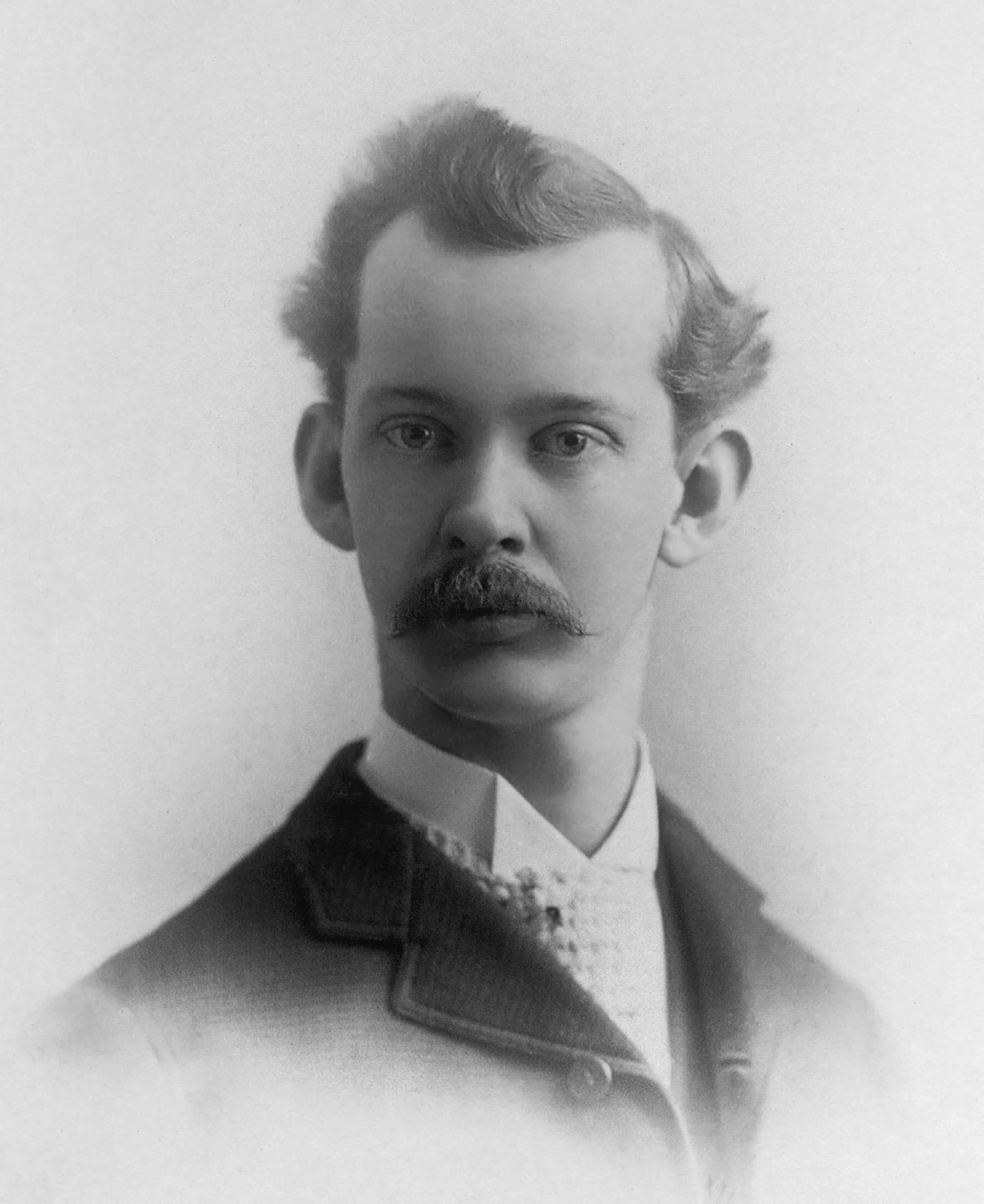
Wilbur Lincoln Scoville, born on January 22, 1865, in Bridgeport, Connecticut, is a name that resonates deeply within the world of chemistry and culinary arts. Best known for creating the Scoville Organoleptic Test, which led to the development of the Scoville Scale, Wilbur Scoville’s contributions have had a lasting impact on how we understand and measure the pungency of chili peppers. His work has not only influenced the scientific community but has also permeated popular culture, particularly in the realm of food and spice enthusiasts.
Early Life and Education
Wilbur Scoville was born in the late 19th century, a period of rapid scientific discovery and industrial growth in the United States. Growing up in Bridgeport, Connecticut, Scoville was surrounded by the technological advancements of the era, which likely influenced his early interest in science. Little is known about his early childhood, but his later achievements suggest a strong foundation in education and an innate curiosity about the natural world.
Scoville pursued higher education with a focus on chemistry, a field that was gaining prominence at the time due to its applications in industry and medicine. His academic pursuits eventually led him to work in pharmaceutical chemistry, a career path that would define his legacy. In a time when the scientific community was still developing standardized methods for measuring various chemical properties, Scoville’s contributions would prove to be groundbreaking.
The Invention of the Scoville Organoleptic Test
Wilbur Scoville’s most famous contribution to science and the culinary world came in 1912 when he was working as a chemist for the pharmaceutical company Parke-Davis. At the time, there was a need for a standardized method to measure the heat of chili peppers, which were increasingly being used for their medicinal properties, such as pain relief. Capsaicin, the active compound responsible for the heat in chili peppers, was known to have therapeutic benefits, but quantifying its potency was a challenge.
Scoville developed what is now known as the Scoville Organoleptic Test (SOT). This method involved diluting a pepper extract in sugar water until the heat could no longer be detected by a panel of tasters. The level of dilution required to reach this point determined the pepper’s place on the Scoville Scale. For example, a pepper that required a 1,000-fold dilution would score 1,000 Scoville Heat Units (SHU).
The Scoville Scale quickly became the standard for measuring the heat of chili peppers, and it remains widely used today, both in scientific research and in the culinary industry. The simplicity of the test, combined with its effectiveness, made it a valuable tool for both chemists and food enthusiasts. Over time, the Scoville Scale has become a cultural icon, often cited in discussions about spicy foods and even featured in various food-related challenges and competitions.
Professional Achievements and Recognition
Wilbur Scoville’s contributions to science extended beyond the creation of the Scoville Scale. He was an accomplished chemist with a keen interest in pharmaceutical compounding. His expertise in this area led to the publication of The Art of Compounding in 1895, a comprehensive guide to pharmaceutical compounding that became a standard reference in the field. The book was so influential that it went through eight editions, each one expanding on the knowledge and techniques of its predecessor.
In addition to The Art of Compounding, Scoville authored Extracts and Perfumes, a publication that compiled hundreds of formulas for various extracts and fragrances. This work further demonstrated Scoville’s versatility as a chemist and his ability to apply his knowledge to different areas of the pharmaceutical and cosmetic industries.
Scoville’s achievements did not go unnoticed by his peers. In 1922, he was awarded the prestigious Ebert Prize by the American Pharmaceutical Association in recognition of his contributions to pharmaceutical science. This was followed by the Remington Honor Medal in 1929, one of the highest honors in the field of pharmacy, awarded for distinguished service and outstanding achievements in the profession.
Scoville’s academic contributions were further recognized when he was awarded an honorary Doctor of Science degree from Columbia University. This accolade underscored the importance of his work and his influence on both the scientific community and the pharmaceutical industry.
The Legacy of the Scoville Scale
The Scoville Scale has endured as a lasting legacy of Wilbur Scoville’s work. While modern methods, such as high-performance liquid chromatography (HPLC), have been developed to measure capsaicin levels more precisely, the Scoville Scale remains a popular and widely recognized measure of chili pepper heat. Its continued use speaks to the effectiveness and simplicity of Scoville’s original test.
In popular culture, the Scoville Scale has taken on a life of its own. It is frequently referenced in discussions about spicy foods, hot sauces, and culinary challenges. Shows like “Hot Ones,” where celebrities are interviewed while eating increasingly spicy chicken wings, have brought the Scoville Scale into the mainstream, introducing it to a new generation of food enthusiasts.
The scale has also become a point of pride for chili pepper growers and hot sauce manufacturers, who often compete to produce the hottest peppers and sauces. Varieties like the Carolina Reaper and the Ghost Pepper, which score in the millions of Scoville Heat Units, are celebrated for their intense heat, with the Scoville Scale serving as the ultimate benchmark for their potency.
Personal Life and Later Years
While Wilbur Scoville is best known for his professional achievements, his personal life also reflects the values of his time. On September 1, 1891, Scoville married Cora B. Upham in Wollaston, Massachusetts. Together, they had two daughters, Amy Augusta and Ruth Upham, born in 1892 and 1897, respectively. Scoville’s family life appears to have been stable and supportive, allowing him to pursue his scientific interests without distraction.
Throughout his life, Scoville remained dedicated to his work, contributing to the fields of chemistry and pharmacy until his retirement. His later years were marked by continued recognition of his contributions, and he remained a respected figure in the scientific community until his death on March 10, 1942, in Gainesville, Florida, at the age of 77.
Scoville’s Impact on Modern Culinary and Pharmaceutical Sciences
Wilbur Scoville’s work has had a profound impact on both culinary and pharmaceutical sciences. In the culinary world, the Scoville Scale has become an essential tool for chefs, food manufacturers, and spice enthusiasts. It has helped to standardize the heat levels of various chili peppers, making it easier for consumers to understand and compare different products.
In the pharmaceutical industry, Scoville’s work on capsaicin has had lasting implications for the development of pain relief medications. Capsaicin is now widely used in topical creams and patches to treat conditions like arthritis and neuropathic pain. The Scoville Scale continues to be used as a reference point for determining the potency of capsaicin in these products, ensuring consistent and effective dosing.
Google Doodle and Cultural Recognition
On January 22, 2016, Google honored Wilbur Scoville with a Google Doodle on what would have been his 151st birthday. The Doodle featured an interactive game where users could “cool down” various peppers using ice cream, a playful nod to Scoville’s work in measuring chili pepper heat. This recognition by one of the world’s largest tech companies highlights the enduring relevance of Scoville’s work and his contributions to both science and popular culture.
The Google Doodle brought Scoville’s legacy to a global audience, introducing millions of people to the man behind the Scoville Scale. It served as a reminder of the impact that one individual’s work can have across multiple fields and generations.
Conclusion: Wilbur Scoville’s Lasting Legacy
Wilbur Scoville’s contributions to science and the culinary arts have left an indelible mark on the world. From his development of the Scoville Organoleptic Test to his influential publications in pharmaceutical chemistry, Scoville’s work has had a lasting impact that continues to be felt today. The Scoville Scale, in particular, has become a cultural touchstone, referenced in everything from food challenges to pharmaceutical research.
Scoville’s legacy is a testament to the power of curiosity and innovation. His ability to take a simple idea—measuring the heat of chili peppers—and turn it into a standard that has endured for over a century is a remarkable achievement. As we continue to explore the boundaries of science and culinary arts, Wilbur Scoville’s contributions will undoubtedly remain a guiding force.


