
Introduction
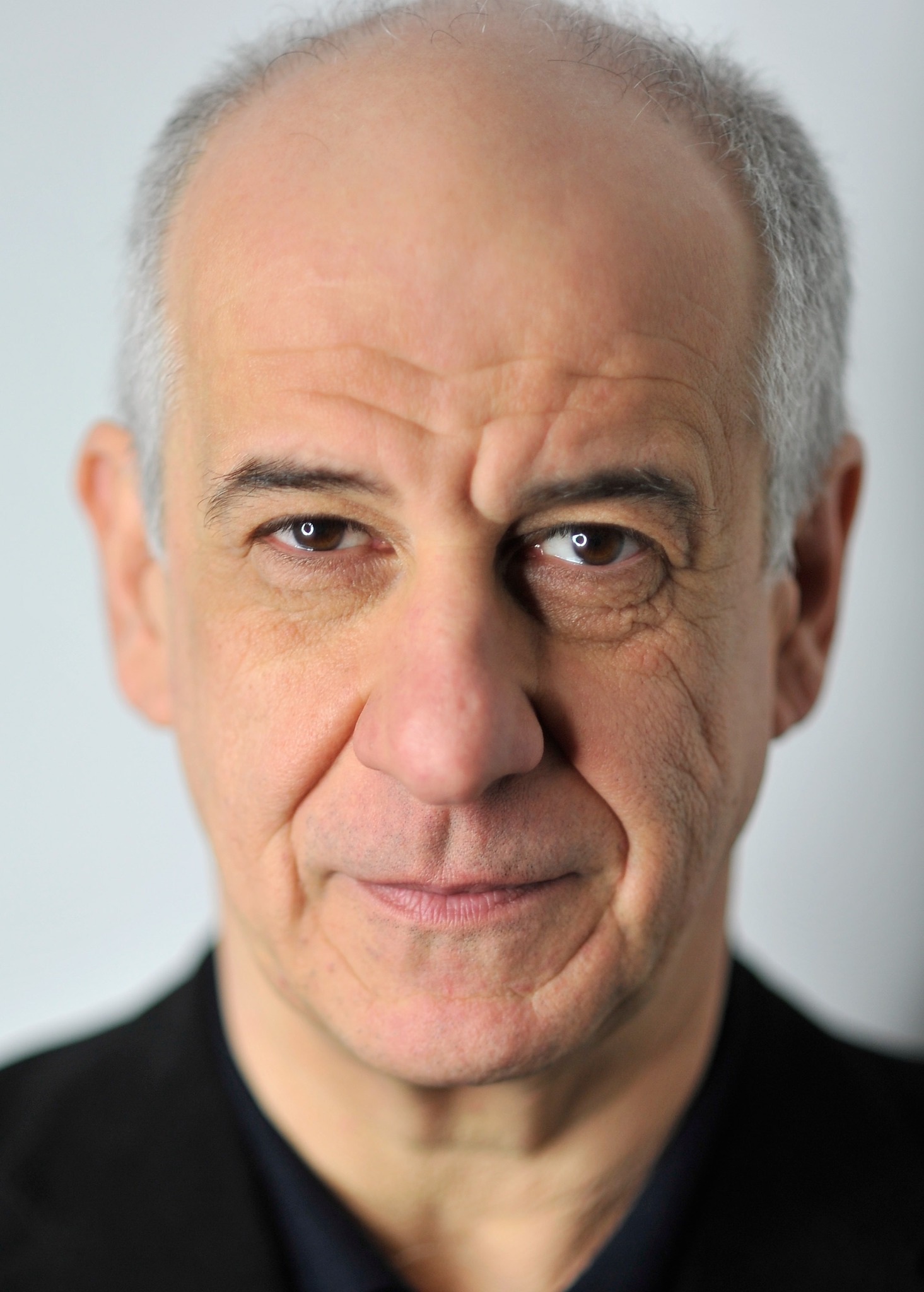
Toni Servillo, born Marco Antonio Servillo on January 25, 1959, in Afragola, Naples, is one of Italy’s most esteemed actors and directors. Renowned for his versatile acting skills and powerful stage presence, Servillo has made significant contributions to both cinema and theater. Over the course of his career, he has garnered numerous awards and accolades, earning recognition not only in Italy but also on the international stage. His collaborations with prominent directors like Paolo Sorrentino have cemented his status as a leading figure in contemporary European cinema. This article provides an in-depth look at Toni Servillo’s life, career, and lasting impact on the world of film and theater.
Early Life and Passion for Theater
Toni Servillo’s passion for the performing arts was evident from an early age. Growing up in a small town near Naples, Servillo was drawn to theater, a passion that was nurtured during his childhood at the local Salesian oratory. It was here that he first experienced the thrill of performing, an experience that would shape his future career. His younger brother, Peppe Servillo, also pursued a career in the arts, becoming a well-known singer and actor.
During the turbulent years of student activism in the 1970s, Servillo, alongside his friends Eugenio Tescione, Riccardo Ragozzino, Sandro Leggiadro, and Matteo De Simone, founded the Teatro Studio in Caserta. This theater group, which conducted its rehearsals in the attic rooms of the Royal Palace of Caserta, became a platform for exploring innovative theatrical forms and staging productions across Italy and Europe until 1984.
The Rise to Prominence: Early Career in Theater
Toni Servillo’s early career was marked by his deep involvement in experimental theater. In 1986, he became associated with the Falso Movimento theater group, collaborating with the acclaimed director Mario Martone. Together, they founded Teatri Uniti, a company dedicated to producing avant-garde and experimental theater. This collaboration marked the beginning of a fruitful partnership that would significantly impact both their careers.
Servillo’s early theatrical works were characterized by their innovative approach to classic texts and contemporary themes. One of his early notable achievements was the one-act play “Guernica,” which he wrote, directed, and starred in. This play earned him the Gennaro Vitiello Award for its poetic exploration of new theatrical languages.
Throughout the late 1980s and 1990s, Servillo continued to build his reputation as a formidable actor and director. His performances in Leo de Berardinis’ productions, such as “Ha da passa’ ‘a nuttata” and “L’impero della ghisa,” were critically acclaimed and showcased his versatility as an actor.
Transition to Cinema: 1990s and Breakthrough
The 1990s marked Toni Servillo’s transition from the theater to the silver screen. His film debut came in 1987, albeit as a voice actor in Frédéric Back’s “The Man Who Planted Trees.” However, it was his collaboration with Mario Martone that brought him significant recognition in the film industry. Martone directed Servillo in several films, including “Death of a Neapolitan Mathematician” (1992), “Rasoi” (1993), and “The War of the Volcanoes” (1997).
Servillo’s performances in these films established him as a rising star in Italian cinema. His ability to embody complex characters with depth and nuance made him a sought-after actor. At the same time, Servillo continued to direct and act in theater productions, earning acclaim for his interpretations of classic plays by Molière and Marivaux. His work in theater during this period culminated in his directorial debut in musical theater with the production of Martín y Soler’s “La cosa rara” at the Fenice in Venice.
Collaboration with Paolo Sorrentino: 2000s and International Fame
The early 2000s marked the beginning of Toni Servillo’s most significant and enduring professional partnership—with director Paolo Sorrentino. This collaboration would elevate Servillo to international fame and solidify his status as one of Italy’s greatest actors.
Their first film together, “One Man Up” (2001), showcased Servillo’s ability to portray complex, morally ambiguous characters. This film laid the groundwork for future collaborations, most notably in “The Consequences of Love” (2004), where Servillo played the role of Titta Di Girolamo, a lonely and enigmatic businessman entangled in the world of organized crime. His portrayal earned him the Nastro d’Argento and David di Donatello awards for Best Actor.
In 2008, Servillo starred in two critically acclaimed films: Matteo Garrone’s “Gomorrah” and Sorrentino’s “Il Divo,” where he portrayed the controversial Italian politician Giulio Andreotti. “Il Divo” was a career-defining role for Servillo, earning him widespread praise and the European Film Award for Best Actor. His performance as Andreotti was lauded for its chilling accuracy and depth, capturing the politician’s enigmatic and calculating nature.
During this period, Servillo also continued his work in theater, directing and starring in Carlo Goldoni’s “Trilogia della villeggiatura,” a production that toured extensively and garnered critical acclaim. His ability to seamlessly transition between stage and screen demonstrated his versatility and commitment to his craft.
The 2010s: Continuing Success and “The Great Beauty”
The 2010s were a period of continued success for Toni Servillo, both in film and theater. In 2010, he starred in Claudio Cupellini’s “A Quiet Life,” a performance that earned him the Marc’Aurelio d’Argento award for Best Actor at the Rome Film Festival. That same year, he appeared in Stefano Incerti’s “Gorbaciof,” a role that further showcased his ability to portray complex, morally ambiguous characters.
In 2013, Servillo delivered one of his most iconic performances in Paolo Sorrentino’s “The Great Beauty” (La grande bellezza). In this film, he played Jep Gambardella, a jaded, yet charming writer navigating the decadence of Roman high society. The film, which was an homage to Federico Fellini’s “La Dolce Vita,” was a critical and commercial success, winning the Oscar for Best Foreign Language Film, as well as the Golden Globe and BAFTA in the same category. Servillo’s portrayal of Gambardella was widely praised for its depth, wit, and melancholic undertones, earning him another European Film Award for Best Actor.
Throughout the decade, Servillo continued to take on challenging roles in both film and theater. In 2017, he starred in Donato Carrisi’s “The Girl in the Fog,” a psychological thriller based on Carrisi’s own novel. His performance as the enigmatic Detective Vogel was yet another testament to his ability to captivate audiences with his nuanced performances.
Toni Servillo in the 2020s: Recent Work and Legacy
As of the 2020s, Toni Servillo continues to be a prominent figure in the world of cinema and theater. In 2021, he starred in three major films: “Ariaferma,” where he played opposite Silvio Orlando; “Qui rido io,” directed by Mario Martone, in which he portrayed the legendary Italian playwright Eduardo Scarpetta; and Paolo Sorrentino’s “The Hand of God” (È stata la mano di Dio), a film that was selected as Italy’s entry for the Oscars.
Servillo’s enduring success in the industry is a testament to his exceptional talent and dedication to his craft. His ability to navigate complex characters and deliver powerful performances has made him a beloved figure in Italian cinema and a respected actor on the international stage.
Conclusion
Toni Servillo’s career, spanning over four decades, is a testament to his remarkable talent and versatility as an actor and director. From his early days in experimental theater to his acclaimed performances in film, Servillo has consistently demonstrated his ability to bring depth, nuance, and authenticity to his roles. His collaborations with Paolo Sorrentino have produced some of the most memorable performances in contemporary cinema, and his work in theater has solidified his reputation as one of Italy’s most accomplished artists.
As Toni Servillo continues to challenge himself with new roles and projects, his legacy as a master of his craft is firmly established. His contributions to cinema and theater have not only enriched Italian culture but have also left an indelible mark on the global stage. As we reflect on his life and achievements, it is clear that Toni Servillo’s impact on the arts will be felt for generations to come.


