
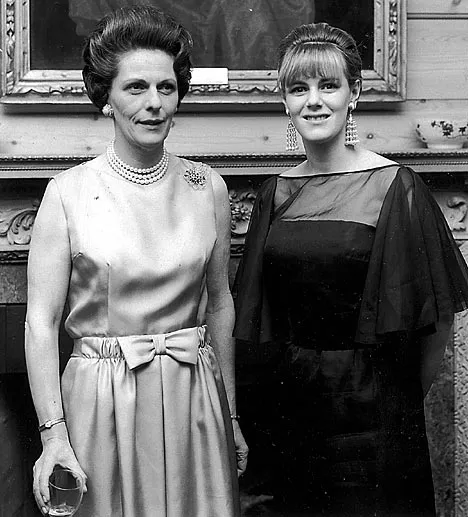
Camilla Shand, born on July 17, 1947, in London, has been a significant figure in British royal circles, especially due to her marriage to Charles, Prince of Wales, and her role as the Duchess of Cornwall. Her life, marked by public scrutiny and personal challenges, has been a topic of interest for decades, particularly given her relationship with Prince Charles and her eventual ascension to the title of Queen Consort. This article delves into the life, age, fame, and highlights of Camilla Shand, offering insights into her historical context, personal background, and the controversies that have surrounded her.
Early Life and Background
Camilla Rosemary Shand was born into an upper-class British family. Her father, Major Bruce Shand, was a decorated British Army officer, and her mother, Rosalind Cubitt, was the daughter of Roland Cubitt, 3rd Baron Ashcombe. The Shand family was well-connected, with ties to the British aristocracy, which shaped Camilla’s early life and social environment.
Educated at Queens Gate School in South Kensington, London, and later at Mon Fertile finishing school in Switzerland, Camilla was groomed according to the traditions of the British upper class. Her upbringing was heavily influenced by Anglican beliefs, and she was raised with a strong sense of duty and discipline. This education prepared her for the social responsibilities that would later come with her role in the royal family.
Early Relationships and Marriage to Andrew Parker Bowles
In her early twenties, Camilla was known for her vibrant social life and was a fixture in the London social scene. She met Andrew Parker Bowles, a British Army officer, and they married on July 4, 1973. Their marriage was a grand affair, attended by notable figures, including Prince Charles, who was a close friend of the couple. Camilla and Andrew had two children, Laura and Tom Parker Bowles.
Despite being a mother and wife, Camilla maintained her Anglican faith, even though her husband and children followed Catholicism. This religious distinction was significant, given the historical context of Anglicanism in the British royal family and the potential implications for her future relationship with Prince Charles.
The Relationship with Prince Charles
Camilla and Prince Charles had known each other since their youth, and their relationship became a defining aspect of her life. Despite both being married to others, their relationship endured over the years, leading to significant controversy. It is widely believed that Camilla was a key figure in Charles’s life, even advising him to marry Lady Diana Spencer. This relationship, often depicted as a scandalous affair, became public knowledge, leading to widespread media scrutiny and criticism.
The media and public perception of Camilla during this period was largely negative, especially in comparison to Diana, Princess of Wales, who was adored by the public. This contrast in public opinion played a significant role in shaping Camilla’s reputation, which was marred by accusations of being the third party in the royal marriage.
Divorce and Reconciliation
Camilla’s marriage to Andrew Parker Bowles ended in divorce on March 3, 1995. Following her divorce, Camilla and Prince Charles gradually resumed their public relationship, starting around 1999. This reconciliation was met with mixed reactions from the public and the royal family. The prospect of Charles, the future King of England, marrying a divorcee who had been a central figure in a royal scandal was controversial.
On February 10, 2005, Charles and Camilla announced their engagement. The announcement was a significant moment, as it marked the formalization of a relationship that had been fraught with controversy. The couple’s marriage took place on April 9, 2005, in a civil ceremony at Windsor Guildhall, followed by a religious blessing at St George’s Chapel. Out of respect for the late Diana, Princess of Wales, Camilla chose not to take the title of Princess of Wales, instead using her existing title, Duchess of Cornwall.
Public Perception and Role in the Royal Family
Initially, the relationship between Camilla and Prince Charles faced considerable opposition from both the public and the royal establishment. The fact that Camilla was a divorcee posed challenges, especially considering Charles’s future role as the Supreme Governor of the Church of England. However, over time, the public perception of Camilla began to soften. Her commitment to charity work, her support of Prince Charles, and her dedication to her royal duties played a crucial role in this transformation.
Camilla’s titles, including Duchess of Rothesay in Scotland and Countess of Chester, reflected her integration into the royal family. She also gained the title of Baroness of Renfrew and, upon marriage, formally adopted the Mountbatten-Windsor surname. Her position in the royal family became more solidified over the years, with her being accepted as a key figure alongside Prince Charles.
The Role of Queen Consort and Recent Developments
On September 8, 2022, with the death of Queen Elizabeth II, Prince Charles ascended to the throne as King Charles III. Camilla, as his wife, assumed the title of Queen Consort, a role that had been clarified by Queen Elizabeth II earlier in February 2022. This development marked a significant turning point in Camilla’s life, as she moved from being a controversial figure to one of the most important members of the British royal family.
The title of Queen Consort carries significant responsibilities, and Camilla’s role in supporting King Charles III is pivotal. Her journey from being a socially prominent figure to Queen Consort is a testament to her resilience and the changing dynamics within the British monarchy.
Legacy and Historical Context
Camilla’s life story is deeply intertwined with the history of the British royal family, particularly the complexities of the late 20th and early 21st centuries. Her relationship with Prince Charles, set against the backdrop of societal changes, media scrutiny, and the evolving role of the monarchy, reflects broader trends in British society. The acceptance of a divorced woman in such a prominent role signifies a shift in the traditional values that once governed the monarchy.
Despite the controversies, Camilla has managed to carve out a role for herself within the royal family. Her dedication to various charitable causes, particularly in the areas of health, literacy, and animal welfare, has garnered respect and admiration. Over the years, she has become a patron of numerous organizations, reflecting her commitment to public service.
Camilla’s story is also a reflection of the enduring power of the media in shaping public perceptions. The narrative surrounding her life, often dominated by the tabloid press, has undergone significant changes. From being portrayed as the “other woman” in a royal scandal to being accepted as Queen Consort, Camilla’s journey highlights the complexities of public life in the modern era.
Conclusion: The Enduring Legacy of Camilla Shand
Camilla Shand’s life has been one of transformation, resilience, and adaptation. From her early days as a member of the British aristocracy to her role as Queen Consort, Camilla has navigated the challenges of public life with grace and determination. Her journey, marked by personal and public challenges, is a testament to her strength of character.
As Queen Consort, Camilla now holds a position of significant influence and responsibility. Her role in supporting King Charles III and her contributions to the royal family will undoubtedly shape her legacy. While her life has been marked by controversy, it is also a story of redemption and acceptance.
Camilla’s life and role in the British royal family offer valuable insights into the evolving nature of the monarchy and the challenges of living in the public eye. Her story is a reminder that, despite the pressures of public life, it is possible to find one’s place and make a meaningful impact.
In the years to come, Camilla’s contributions to the royal family and her legacy as Queen Consort will continue to be a subject of interest and discussion. Her journey from being Camilla Shand to Queen Consort Camilla is a remarkable story of perseverance, love, and the complexities of royal life.


