
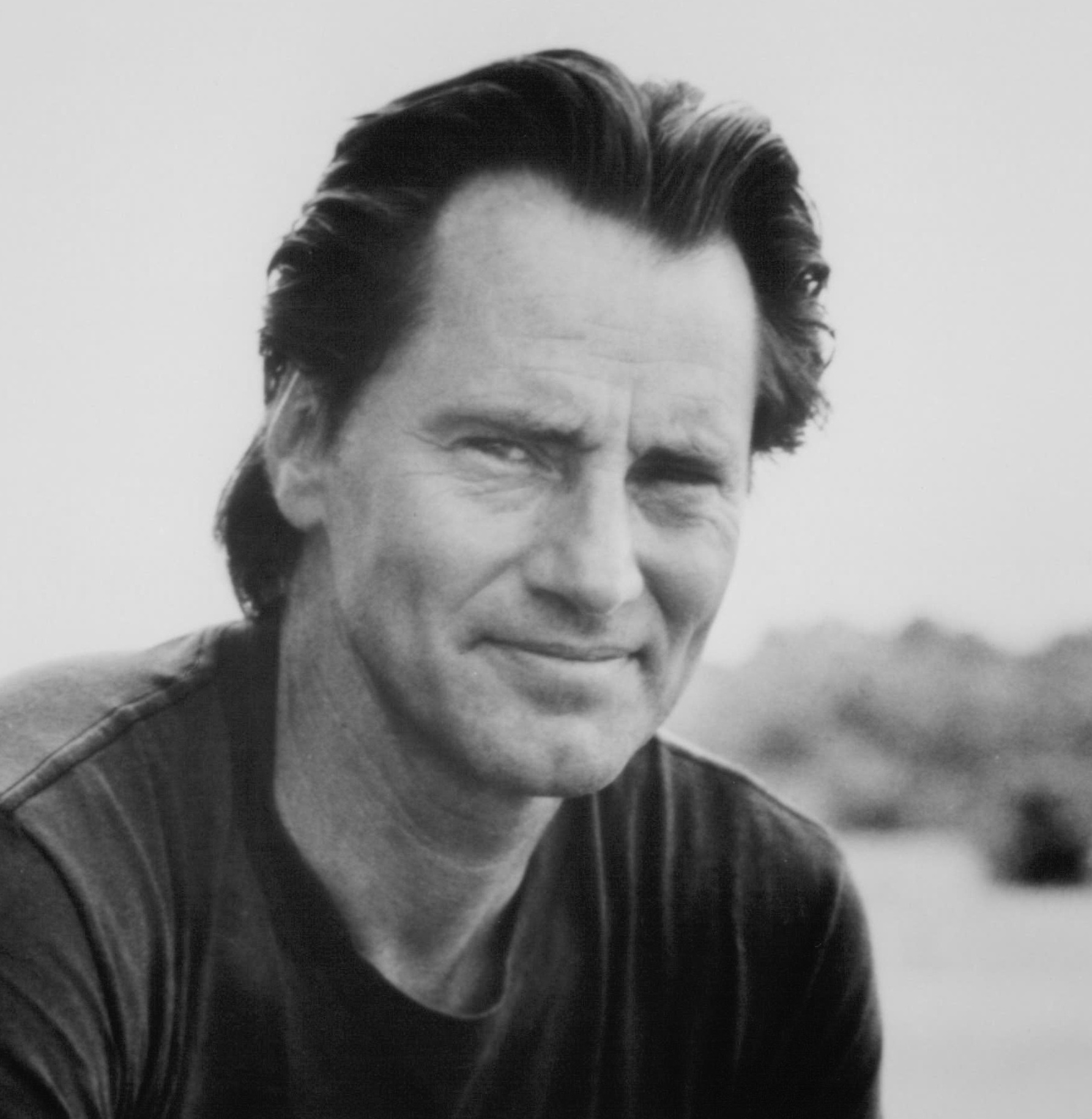
Sam Shepard, born Samuel Shepard Rogers III on November 5, 1943, in Fort Sheridan, Illinois, was an iconic American playwright, actor, and author. His contributions to theater and film have left an enduring legacy, making him one of the most influential figures in American arts and culture. With a career spanning over five decades, Shepard’s work has been characterized by its deep exploration of the human condition, American identity, and the complexities of family dynamics. This article provides a comprehensive overview of Shepard’s life, career, and the key moments that defined his path to fame.
Early Life and Influences
Sam Shepard’s early life was marked by a blend of rural Americana and intellectual curiosity. Growing up in a military family, Shepard moved frequently during his childhood, a pattern that would later influence the themes of displacement and alienation in his work. His father, Samuel Shepard Rogers, was a teacher and former Army bomber pilot, while his mother, Jane Elaine, was a teacher and homemaker. The complexities of his relationship with his father, who struggled with alcoholism, would later become a central theme in many of Shepard’s plays.
Shepard attended high school in Duarte, California, where he developed an interest in literature and drama. After high school, he briefly attended Mount San Antonio College, where he studied agriculture before dropping out to join a traveling theater group. This decision marked the beginning of his journey into the world of theater, where he would eventually make a significant impact.
Breakthrough in Theater
Shepard’s early years in New York City were formative for his career. In the 1960s, he became deeply involved in the off-off-Broadway theater scene, where he began writing and staging plays that challenged traditional theatrical norms. His early works, such as “La Turista” (1967) and “Red Cross” (1966), were experimental in nature, blending elements of surrealism and absurdism. These plays earned Shepard a reputation as a daring and innovative playwright, and he quickly became a leading figure in the avant-garde theater movement.
In 1979, Shepard’s career reached a significant milestone when he won the Pulitzer Prize for Drama for his play “Buried Child.” This play, which explores the dark undercurrents of a dysfunctional American family, is considered one of his masterpieces. “Buried Child” delves into themes of disillusionment, the decay of the American Dream, and the haunting presence of past sins. The play’s success solidified Shepard’s status as a major voice in American theater.
Transition to Film and Acting
While Shepard was already an established playwright, his foray into film expanded his influence and brought his work to a broader audience. His film debut came in 1978 when he starred in Terrence Malick’s “Days of Heaven,” a visually stunning film that earned Shepard an Academy Award nomination for Best Supporting Actor. His rugged good looks and naturalistic acting style made him a compelling screen presence, and he quickly became a sought-after actor in Hollywood.
Throughout the 1980s and 1990s, Shepard appeared in a variety of films, often portraying characters that echoed the themes of his plays—men grappling with their inner demons and the complexities of the American psyche. Notable films during this period include “The Right Stuff” (1983), where he portrayed test pilot Chuck Yeager, earning critical acclaim for his performance, and “Frances” (1982), where he starred alongside Jessica Lange, who would become his long-term partner.
Shepard’s relationship with Lange was one of the most significant in his life. The couple, who never married, had two children together and frequently collaborated on screen. Their chemistry was palpable, and they starred together in several films, including “Country” (1984) and “Far North” (1988), the latter of which Shepard also directed.
Writing for Film
In addition to his acting career, Shepard was a prolific screenwriter, bringing his unique voice to the world of cinema. One of his most notable screenwriting achievements was his collaboration with Italian director Michelangelo Antonioni on the film “Zabriskie Point” (1970). The film, which explored the countercultural movements of the 1960s, was a critical and commercial failure at the time but has since gained a cult following.
Shepard’s most celebrated screenplay is “Paris, Texas” (1984), directed by Wim Wenders. The film, which won the Palme d’Or at the Cannes Film Festival, is a poignant exploration of memory, loss, and redemption set against the vast, desolate landscapes of the American Southwest. “Paris, Texas” is often hailed as one of the greatest films of the 20th century and is a testament to Shepard’s ability to translate his literary sensibilities into the medium of film.
Later Career and Continued Impact
As Shepard’s career progressed, he continued to challenge himself creatively, both as a writer and actor. In the 1990s and 2000s, he appeared in a series of high-profile films, including “The Pelican Brief” (1993), “Swordfish” (2001), and “Black Hawk Down” (2001). His performances were consistently praised for their depth and authenticity, even in supporting roles.
Shepard’s later works as a playwright continued to explore the themes that had defined his earlier career. Plays like “Fool for Love” (1983) and “True West” (1980) are still widely performed and studied for their exploration of the American experience and the complexities of familial relationships. These plays, along with his earlier works, cemented Shepard’s legacy as one of the most important playwrights of his generation.
In addition to his work in theater and film, Shepard also published several collections of short stories and essays, further showcasing his versatility as a writer. His prose, like his plays, is characterized by its sparse, evocative language and its deep exploration of the human condition.
Personal Life and Relationships
Sam Shepard’s personal life was as complex and multifaceted as his work. His long-term relationship with Jessica Lange was one of the defining aspects of his life. The couple met on the set of the film “Frances” in 1982, and their relationship quickly blossomed into a partnership that lasted nearly three decades. Together, they had two children, Hannah and Samuel, and although they never married, their relationship was marked by a deep bond and mutual respect.
Despite their strong connection, Shepard and Lange’s relationship was not without its challenges. The pressures of their respective careers, combined with Shepard’s struggles with alcohol, eventually led to their separation in 2009. Nevertheless, they remained close, and Lange has often spoken fondly of Shepard in interviews, describing him as a brilliant artist and a loving father.
Shepard’s relationship with his children was also central to his life. In interviews, he often spoke about the importance of fatherhood and the impact it had on his work. His plays frequently explore the dynamics of family life, particularly the relationships between fathers and sons, a theme that was deeply personal to Shepard.
Final Years and Legacy
In his final years, Sam Shepard continued to work despite being diagnosed with ALS (amyotrophic lateral sclerosis), a debilitating neurodegenerative disease. His last book, “The One Inside” (2017), was a deeply introspective work that reflected on his life, his memories, and the inevitability of mortality. The book was praised for its raw honesty and lyrical prose, offering readers a glimpse into Shepard’s inner world as he grappled with the realities of his illness.
Shepard passed away on July 27, 2017, at his home in Midway, Kentucky, at the age of 73. His death marked the end of an era in American theater and film, but his influence continues to be felt. Shepard’s plays are still performed regularly, and his films remain staples of American cinema. His work has inspired countless writers, actors, and filmmakers, and his legacy as one of America’s greatest playwrights is secure.
Historical Context and Nuances
To fully appreciate Sam Shepard’s work, it is important to consider the historical and cultural context in which he wrote. Shepard’s career spanned a period of significant social and political change in America, from the countercultural movements of the 1960s to the more conservative climate of the 1980s and beyond. His plays often reflect the anxieties and contradictions of these times, exploring themes of disillusionment, identity, and the search for meaning in a rapidly changing world.
Shepard’s work is also deeply rooted in the American literary tradition, drawing on influences from writers like William Faulkner, Tennessee Williams, and Jack Kerouac. Like these writers, Shepard was concerned with the myths and realities of American life, particularly the ways in which the country’s ideals of freedom and individualism can lead to isolation and despair.
Moreover, Shepard’s work is notable for its exploration of the American West, both as a physical landscape and as a symbol of the American experience. His plays often depict characters who are struggling to find their place in a world that is both vast and unforgiving, a reflection of Shepard’s own sense of restlessness and search for identity.
Conclusion
Sam Shepard was a towering figure in American arts and culture, whose work continues to resonate with audiences and readers around the world. His plays, films, and writings offer a profound exploration of the human condition, marked by their deep understanding of the complexities of family, identity, and the American experience. Shepard’s legacy is one of artistic integrity and relentless creativity, and his influence will be felt for generations to come.
As we look back on his life and work, it is clear that Sam Shepard was more than just a playwright or actor—he was a storyteller who used his craft to explore the deepest questions of what it means to be human. His work challenges us to confront the truths about ourselves and our society, and in doing so, it continues to inspire and provoke thought long after his passing.


