
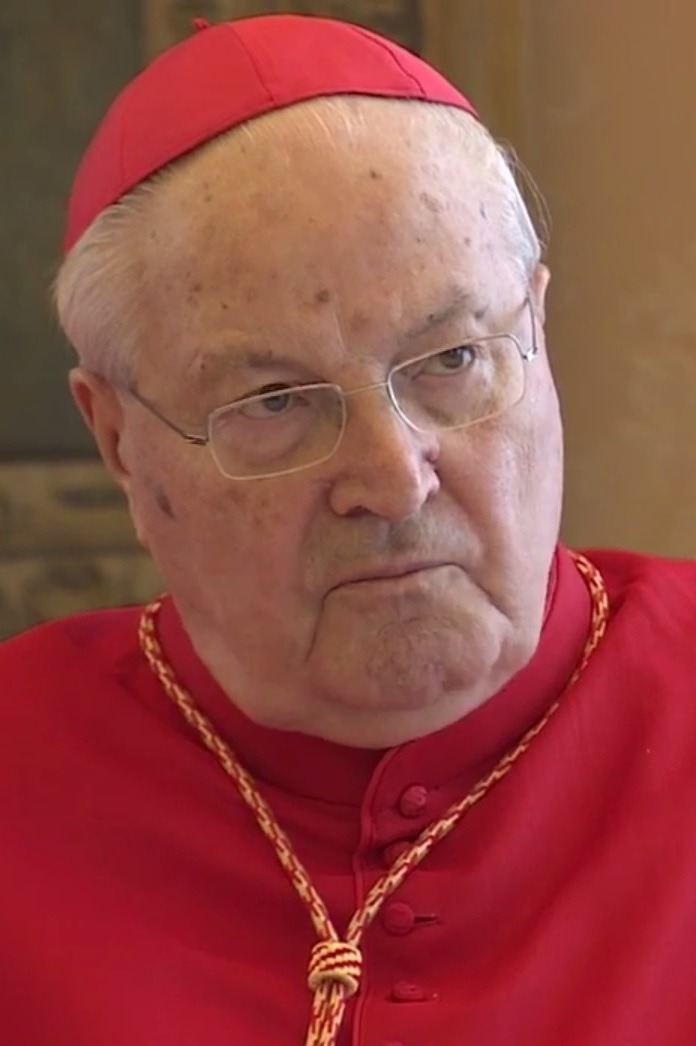
Angelo Sodano, born on November 23, 1927, in Isola d’Asti, Italy, was a prominent figure within the Catholic Church, known for his extensive diplomatic career and his influence within the Vatican. Over his long and distinguished life, Sodano became one of the most powerful and influential Cardinals in the modern history of the Church. This article delves into the life of Angelo Sodano, exploring his early years, rise to prominence, significant contributions, and the controversies that marked his legacy.
Early Life and Education
Angelo Sodano was born into a rural, devoutly Catholic family in the Piedmont region of Italy. He was the second of six children, and his upbringing was deeply rooted in the traditions of the Church. His father, Giovanni Sodano, was a significant influence on his early life. Giovanni served as a member of the Italian Parliament for three legislative terms, from 1948 to 1963, representing the Christian Democratic Party. This political background likely influenced Angelo’s understanding of the intersection between religion and politics, which would become a central theme in his career.
Sodano pursued his education with a strong focus on theology and philosophy, attending the Pontifical Gregorian University in Rome. He earned a degree in theology, followed by a doctorate in canon law, laying the groundwork for his future within the Church’s hierarchy. His academic achievements were complemented by his ordination as a priest on September 23, 1950, marking the beginning of his lifelong service to the Catholic Church.
Early Diplomatic Career
After his ordination, Sodano began his career in the diplomatic service of the Holy See, which would define much of his life. His first assignments were in various nunciatures, or Vatican embassies, around the world. These early postings included time in Latin America, where he served in Ecuador, Uruguay, and, most notably, Chile. His work in these countries exposed him to the complexities of international relations and the delicate balance required in representing the Vatican’s interests abroad.
Sodano’s tenure in Chile from 1978 to 1988 was particularly significant. He served as the Apostolic Nuncio during a period of intense political turmoil as Chile transitioned from the dictatorship of General Augusto Pinochet to a more democratic government. Sodano’s role in Chile was controversial; while he was instrumental in maintaining diplomatic relations and supporting the Church’s mediation efforts between Chile and Argentina during the Beagle Channel dispute, his perceived closeness to Pinochet’s regime attracted criticism, particularly from progressive Catholics and human rights advocates.
Rise to Prominence: Vatican Secretary of State
Angelo Sodano’s diplomatic skills and loyalty to the Church did not go unnoticed. In 1989, he was appointed as the Secretary for Relations with States, effectively the Vatican’s foreign minister. This role allowed him to exert considerable influence over the Holy See’s global diplomatic efforts, further solidifying his status within the Vatican.
His prominence continued to grow, and in 1991, Pope John Paul II elevated him to the rank of Cardinal, one of the highest honors in the Catholic Church. Shortly after, in 1992, Sodano was appointed as the Vatican Secretary of State, a position second only to the Pope in terms of influence and power within the Church. As Secretary of State, Sodano was responsible for overseeing the Vatican’s international relations, its internal governance, and the administration of the Roman Curia, the central governing body of the Catholic Church.
During his tenure as Secretary of State, Sodano played a crucial role in navigating the Church through various global challenges. He was instrumental in the Vatican’s response to the fall of communism in Eastern Europe, the ongoing conflicts in the Middle East, and the Church’s efforts to foster dialogue with other religions. His diplomatic acumen helped the Vatican maintain its influence on the global stage during a period of significant geopolitical change.
Controversies and Criticisms
Despite his many achievements, Angelo Sodano’s career was not without controversy. His time as Apostolic Nuncio in Chile and his relationship with Pinochet’s regime cast a long shadow over his later years. Critics accused him of being too close to the dictator and turning a blind eye to human rights abuses, a charge that Sodano consistently denied. However, these accusations persisted and were often cited as a stain on his otherwise illustrious career.
Sodano also faced criticism for his handling of the sexual abuse crisis within the Catholic Church. As Secretary of State, he was accused of protecting high-ranking clergy accused of abuse, most notably Marcial Maciel, the founder of the Legion of Christ, who was later revealed to have committed numerous acts of sexual abuse over decades. Sodano’s role in this scandal has been the subject of intense scrutiny, with some accusing him of covering up or downplaying the severity of the allegations to protect the Church’s image.
In addition to these controversies, Sodano’s tenure was marked by internal struggles within the Vatican. His leadership style, described by some as authoritarian, led to tensions within the Curia. These internal conflicts were exacerbated by his close relationship with Pope John Paul II, which some believed gave him too much power and allowed him to dominate Vatican policy-making.
Later Years and Resignation
As Pope John Paul II’s health declined, Sodano’s influence within the Vatican grew even more pronounced. He was a key figure during the final years of John Paul II’s papacy and played a significant role in the transition to Pope Benedict XVI. After John Paul II’s death in 2005, Sodano was briefly considered a potential candidate for the papacy, although his advanced age made this unlikely.
Under Pope Benedict XVI, Sodano continued to serve as Secretary of State, but his influence began to wane as Benedict sought to put his own stamp on the Vatican. In 2006, at the age of 78, Sodano resigned from his position as Secretary of State, citing his advanced age and the need for fresh leadership. He was succeeded by Cardinal Tarcisio Bertone.
Even after his resignation, Sodano remained an influential figure within the Church. He continued to serve as the Dean of the College of Cardinals, a position he had held since 2005, and participated in the conclave that elected Pope Francis in 2013. In this role, Sodano was responsible for overseeing the election of a new pope, demonstrating his continued importance within the Vatican hierarchy.
Legacy and Impact on the Catholic Church
Angelo Sodano’s legacy is complex and multifaceted. On one hand, he was a skilled diplomat and a loyal servant of the Church, whose efforts helped maintain the Vatican’s influence on the global stage during a time of significant change. His work in fostering dialogue between nations, particularly in Latin America, and his role in the Vatican’s response to the fall of communism, are seen as major achievements.
On the other hand, his career was marred by controversies that have left a lasting impact on how he is remembered. His perceived closeness to authoritarian regimes, particularly in Chile, and his handling of the sexual abuse crisis within the Church have led to significant criticism. These issues have cast a shadow over his legacy and have raised questions about the balance between loyalty to the Church and the moral responsibilities of its leaders.
Despite these controversies, Sodano’s influence on the Catholic Church is undeniable. His tenure as Vatican Secretary of State spanned nearly 15 years, making him one of the longest-serving and most influential figures in modern Church history. His diplomatic efforts and his role in shaping the Vatican’s policies during a tumultuous period have left an indelible mark on the Church.
Final Years and Death
In his later years, Angelo Sodano continued to play a role within the Vatican, albeit with less visibility than during his time as Secretary of State. He remained a respected elder statesman within the Church, often consulted on matters of diplomacy and Vatican governance. His health began to decline in the 2010s, leading to a reduction in his public appearances.
Angelo Sodano passed away on May 27, 2022, at the age of 94. His death marked the end of an era for the Vatican, closing the chapter on a figure who had been at the heart of the Church’s governance for decades. His passing was met with tributes from across the Catholic world, with many recognizing his contributions to the Church, even as debates about his legacy continued.
Conclusion: The Enduring Legacy of Angelo Sodano
Angelo Sodano’s life and career reflect the complexities and challenges of leadership within the Catholic Church. His story is one of service, diplomacy, and significant influence, but also of controversy and criticism. As a key figure in the Vatican for much of the late 20th and early 21st centuries, Sodano’s impact on the Church is undeniable.
While his legacy may be viewed differently depending on one’s perspective, there is no doubt that Angelo Sodano was a central figure in the Catholic Church’s recent history. His contributions to diplomacy, his role in navigating the Church through global and internal challenges, and his complex legacy will continue to be studied and debated for years to come.


