
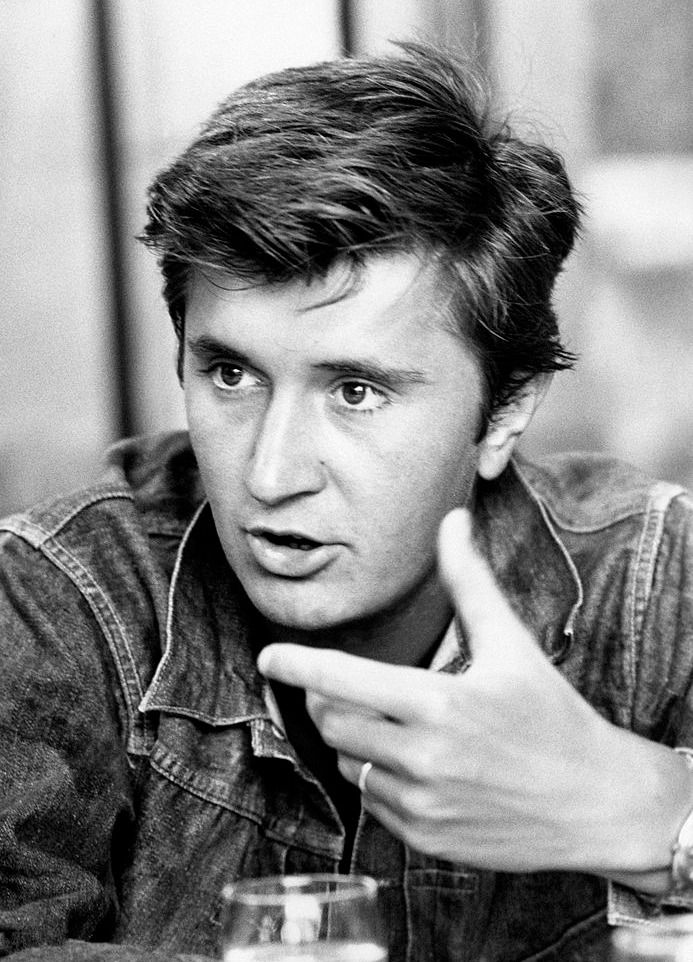
Bobby Solo, born Roberto Satti on March 18, 1945, in Rome, Italy, is one of the most celebrated Italian singers of the 20th century. With a career spanning over six decades, Bobby Solo has become an iconic figure in Italian popular music, often referred to as the “Elvis of Italy.” This article delves into his life, tracing his journey from a young music enthusiast to a legendary artist whose influence continues to resonate with audiences today.
Early Life and Musical Beginnings
Bobby Solo was born into a post-war Italy, a country yearning for joy and escape from the shadows of the recent past. Music was an essential part of Italian culture, providing a form of solace and expression. From a young age, Roberto Satti was captivated by music, particularly by the burgeoning rock ‘n’ roll scene in the United States. This fascination would shape his future career, driving him to emulate one of the most iconic figures of that era—Elvis Presley.
The Emergence of “Elvis of Italy”
Bobby Solo’s transformation from Roberto Satti to “Bobby Solo” was more than just a change of name; it was a complete adoption of a persona inspired by Elvis Presley. His trademark hairstyle, always meticulously groomed and styled, became a symbol of his admiration for the American rock ‘n’ roll icon. His stage presence, musical style, and even his fashion choices were heavily influenced by Elvis, earning him the affectionate nickname, the “Elvis of Italy.”
In the early 1960s, Bobby Solo began to make a name for himself in the Italian music scene. His performances were characterized by a unique blend of Italian romanticism and American rock ‘n’ roll, a combination that resonated deeply with the audience. It wasn’t long before he was recognized as one of the leading figures in Italian pop music.
Breakthrough at the Sanremo Music Festival
The turning point in Bobby Solo’s career came in 1964 when he performed at the prestigious Sanremo Music Festival, Italy’s most important music competition. Partnering with the American singer Frankie Laine, Bobby Solo presented the song “Una lacrima sul viso” (“A Tear on Your Face”), a poignant ballad that quickly captured the hearts of the audience.
“Una lacrima sul viso” was an instant hit, selling an unprecedented number of copies and becoming one of the few Italian songs to achieve international success during a time dominated by Anglo-Saxon music. The song was so well-received that it continues to be popular to this day, a testament to its enduring appeal.
Challenges and Controversies
However, Bobby Solo’s performance at Sanremo was not without its challenges. During the festival, he experienced a sudden panic attack that left him unable to sing live. In a move that was unprecedented at the time, Bobby Solo resorted to using playback to deliver his performance. This decision, while controversial, ultimately allowed him to complete his performance, but it also sparked significant backlash. The use of playback was virtually unheard of in the early 1960s, and the revelation that Bobby Solo had mimed his performance led to a public outcry.
Despite this setback, the success of “Una lacrima sul viso” solidified Bobby Solo’s place in Italian music history. Although the song did not win the Sanremo Music Festival, its impact was undeniable, and it marked the beginning of Bobby Solo’s rise to fame.
Continued Success and Evolution
The late 1960s and 1970s were a period of continued success for Bobby Solo. He won the Sanremo Music Festival twice, first in 1965 with the song “Se piangi se ridi” (“If You Cry, If You Laugh”) and again in 1969 with “Zingara” (“Gypsy”). These victories further cemented his status as one of Italy’s leading musical talents.
However, the changing tastes of the public in the late 1960s and early 1970s posed a challenge for Bobby Solo. The rise of new musical styles and the decline of rock ‘n’ roll’s dominance meant that he had to adapt to remain relevant. Despite these changes, Bobby Solo remained true to his roots, continuing to produce music that reflected his love for romantic ballads and rock ‘n’ roll.
In 1978, Bobby Solo surprised his fans by releasing a disco version of “Una lacrima sul viso,” a move that was both unexpected and successful. The new version of the song introduced him to a younger audience and proved that Bobby Solo could evolve with the times while staying true to his signature style.
The 1980s and Beyond: A Resilient Icon
The 1980s marked a new chapter in Bobby Solo’s career. He formed a band called “Robot,” which included fellow Italian music legends Rosanna Fratello and Little Tony. The name of the group was an acronym of their initials, and together, they enjoyed considerable success. Despite the ever-changing music industry, Bobby Solo maintained a loyal fan base that appreciated his consistent dedication to his craft.
Throughout the 1990s and 2000s, Bobby Solo continued to perform, tour, and release new music. His concerts were always well-attended, with fans from multiple generations coming to see the Italian music icon. His enduring popularity was a testament to his ability to connect with audiences across different eras, something that only a few artists manage to achieve.
Legacy and Influence
Today, Bobby Solo stands as a symbol of an era in Italian music that combined the charm of American rock ‘n’ roll with the passion and emotion of Italian ballads. His influence on Italian pop culture is undeniable, and his songs continue to be celebrated by fans old and new.
Bobby Solo’s career is not just a story of musical success; it is a story of resilience, adaptation, and a deep love for music. From his early days as a young man inspired by Elvis Presley to his status as a legendary figure in Italian music, Bobby Solo’s journey reflects the broader cultural shifts of the 20th century. His ability to stay relevant in an ever-changing industry is a testament to his talent and dedication.
Personal Life and Current Endeavors
Beyond his music career, Bobby Solo has also had a rich personal life. He has been married multiple times and is a father to several children. Despite the challenges that come with a life in the spotlight, Bobby Solo has managed to maintain a sense of privacy, rarely speaking about his personal life in public.
In recent years, Bobby Solo has focused on live performances, often touring across Italy and occasionally abroad. His shows are a mix of his classic hits and newer material, always delivered with the same energy and passion that characterized his early career.
At the age of 79, Bobby Solo remains active in the music industry, proving that age is no barrier to creativity and performance. His enduring presence in the world of music is a reminder of the timeless appeal of great artistry.
Conclusion
Bobby Solo’s life and career offer a fascinating glimpse into the world of Italian music and the global influence of rock ‘n’ roll. From his early days as a young Elvis Presley fan to his status as a music legend, Bobby Solo has left an indelible mark on the world of music. His story is one of passion, perseverance, and a deep love for the art of music.
As we look back on his career, it’s clear that Bobby Solo is more than just a singer; he is an icon of Italian culture, a symbol of an era, and an artist whose work will continue to inspire future generations. His journey from Roberto Satti to Bobby Solo is a testament to the power of music to transcend boundaries, connect people, and create lasting memories.
Bobby Solo’s legacy is secure, and his music will undoubtedly continue to resonate with fans around the world for many years to come.


