
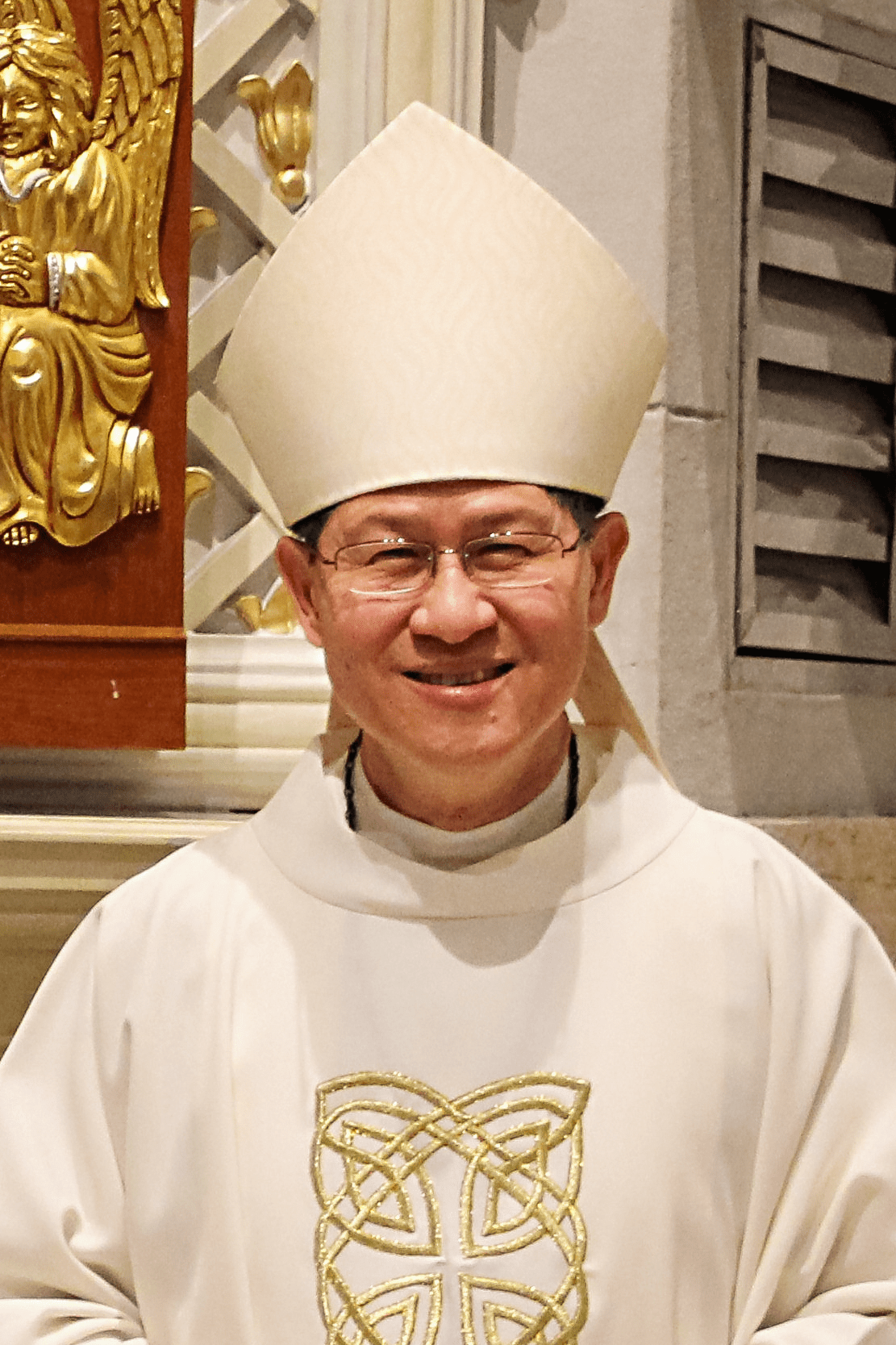
Luis Antonio Gokim Tagle, commonly known as Cardinal Tagle, is a significant figure in the Roman Catholic Church, recognized for his humility, intellect, and progressive views. Born on June 21, 1957, in Manila, Philippines, Tagle has emerged as one of the most influential leaders in the Catholic Church. His rise to prominence, characterized by deep spirituality and a compassionate approach to social issues, has captivated millions around the world. This article delves into his age, fame, life highlights, and the impact of his contributions on the global stage, providing a detailed exploration of his life and career.
Early Life and Education: The Roots of a Future Leader
Luis Antonio Tagle was born into a deeply religious and modest family in Manila. His father, Manuel Tagle, was a businessman, and his mother, Milagros Gokim, was of Chinese descent. This multicultural background played a crucial role in shaping his worldview, allowing him to connect with diverse communities throughout his life.
From a young age, Tagle exhibited a strong inclination towards faith and learning. He attended elementary and high school at St. Andrew’s School in Parañaque, where he was known for his academic excellence and leadership qualities. His passion for theology and service to others was evident early on, leading him to pursue a path in the priesthood.
Tagle entered San José Seminary, affiliated with Ateneo de Manila University, where he earned a Bachelor of Arts degree in Pre-Divinity. His academic pursuits continued as he studied at the Catholic University of America in Washington, D.C., where he completed his Doctorate in Sacred Theology. His doctoral thesis, focusing on Episcopal collegiality according to the Second Vatican Council, highlighted his deep understanding of church governance and ecclesiology.
Rise to Prominence: The Path to Cardinalship
Tagle’s ecclesiastical career began with his ordination as a priest in 1982. His early assignments included pastoral work in various parishes and teaching theology. However, his intellectual prowess and deep understanding of Church teachings soon caught the attention of higher authorities.
In 1997, Pope John Paul II appointed him as a member of the International Theological Commission, a prestigious body advising the Holy See on doctrinal matters. This appointment was a significant milestone in Tagle’s career, marking the beginning of his global influence within the Church.
His appointment as Bishop of Imus in 2001 further cemented his reputation as a compassionate and forward-thinking leader. As Bishop, Tagle focused on pastoral care, emphasizing the Church’s role in social justice, poverty alleviation, and interfaith dialogue. His ability to connect with ordinary people, coupled with his scholarly background, made him a respected figure not just in the Philippines but also on the international stage.
Cardinalship and Global Influence
Tagle’s elevation to the College of Cardinals by Pope Benedict XVI in 2012 was a recognition of his significant contributions to the Church. At the time, he was one of the youngest cardinals, which underscored his potential as a future leader of the global Catholic community.
As the Archbishop of Manila, a position he held until 2019, Tagle played a critical role in addressing social issues in the Philippines. He was vocal about the Church’s stance on human rights, poverty, and the dignity of every individual. His sermons often touched on the plight of the poor and marginalized, advocating for a more inclusive and compassionate Church.
Beyond his duties in Manila, Tagle’s influence extended globally. He was a prominent voice in various synods, contributing to discussions on family, evangelization, and the role of the Church in contemporary society. His participation in these global platforms highlighted his deep understanding of the Church’s challenges and his vision for its future.
Prefect of the Congregation for the Evangelization of Peoples
In December 2019, Pope Francis appointed Tagle as the Prefect of the Congregation for the Evangelization of Peoples, one of the most important departments within the Vatican. This role, often referred to as the “Red Pope” due to its influence, is responsible for overseeing the Church’s missionary work around the world.
In this capacity, Tagle has been instrumental in promoting the Church’s mission in Asia, Africa, and Latin America. His focus on evangelization is rooted in his belief that the Church must reach out to those on the peripheries, both geographically and socially. Tagle’s leadership in this area reflects his commitment to a more inclusive and missionary Church, one that engages with the world in a spirit of dialogue and compassion.
Tagle’s Theology: A Blend of Tradition and Progress
Cardinal Tagle is often described as a “bridge-builder” within the Church, balancing tradition with a progressive outlook. His theological approach is deeply rooted in the teachings of the Second Vatican Council, particularly its emphasis on collegiality, dialogue, and the role of the laity.
Tagle’s sermons and writings often reflect a pastoral sensitivity, focusing on the lived experiences of ordinary people. He emphasizes the importance of listening and accompaniment, advocating for a Church that walks alongside its people, especially those who are suffering or marginalized.
His progressive views, particularly on issues such as social justice, poverty, and the environment, have resonated with many within the Church. However, Tagle is also careful to remain grounded in Church doctrine, ensuring that his approach is both innovative and respectful of tradition.
The Influence of Pope Francis on Tagle’s Leadership
The election of Pope Francis in 2013 marked a new era for the Catholic Church, one that emphasized mercy, humility, and a focus on the poor. Cardinal Tagle, with his similar pastoral approach, quickly became one of Pope Francis’ closest collaborators.
The synergy between Tagle and Pope Francis is evident in their shared commitment to a “Church of the poor.” Both leaders advocate for a Church that is more inclusive, reaching out to those on the margins of society. Tagle’s work in the Vatican, particularly in his role as Prefect of the Congregation for the Evangelization of Peoples, aligns closely with Pope Francis’ vision for a missionary Church that is open to dialogue and engagement with the world.
The Road Ahead: Potential Papal Contender?
Cardinal Tagle’s influence within the Church has led many to speculate about his potential as a future pope. His combination of deep theological knowledge, pastoral sensitivity, and global experience makes him a strong candidate in the eyes of many within the Church.
However, Tagle remains humble about such speculations, often deflecting attention from himself and focusing on his mission. He has repeatedly emphasized that the future of the Church lies in its ability to listen, to be close to the people, and to engage with the world in a spirit of love and compassion.
Conclusion: A Legacy of Compassion and Leadership
Luis Antonio Gokim Tagle’s life and career are a testament to his deep commitment to the Catholic Church and its mission in the world. From his early days in Manila to his current role in the Vatican, Tagle has consistently demonstrated a leadership style characterized by humility, compassion, and a deep sense of justice.
His influence extends beyond the confines of the Church, touching the lives of countless individuals across the globe. As a theologian, pastor, and global leader, Cardinal Tagle embodies the values of a Church that seeks to be close to its people, especially the poor and marginalized.
As the Catholic Church continues to navigate the challenges of the modern world, leaders like Cardinal Tagle will play a crucial role in shaping its future. Whether or not he becomes pope, Tagle’s legacy is already firmly established, marked by his unwavering commitment to a more just, compassionate, and inclusive Church.


