
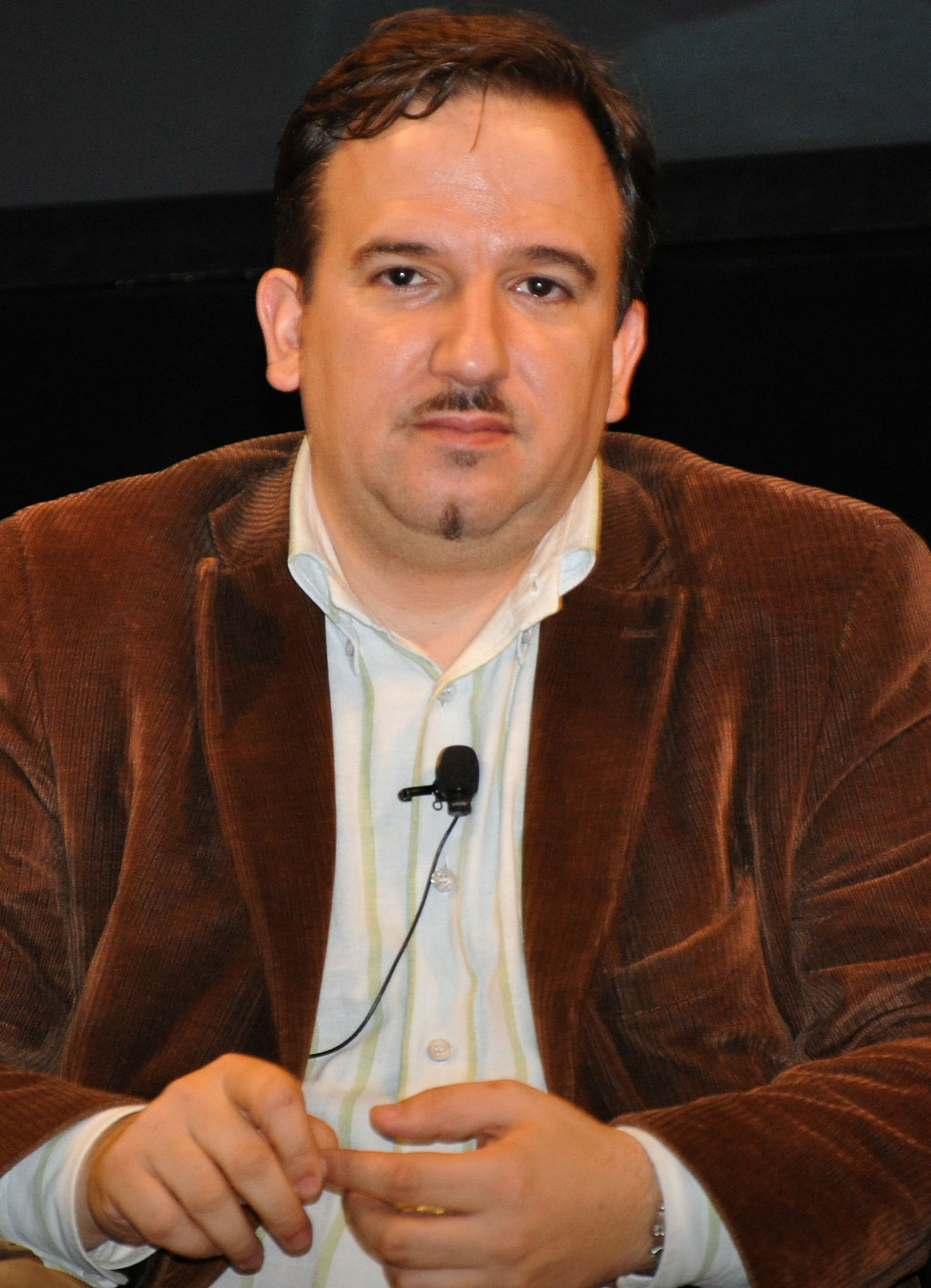
Luca Telese, born on April 10, 1970, in Cagliari, Italy, is a prominent Italian journalist, television presenter, and author. Known for his independent and insightful approach to journalism, Telese has made significant contributions to the Italian media landscape over the past few decades. His career spans across print, television, and radio, and he is recognized for his deep dives into political and cultural phenomena. This article delves into the life and career of Luca Telese, exploring his background, rise to fame, and the key moments that have defined his professional journey.
Early Life and Family Background
Luca Telese was born in Cagliari, but he spent much of his early life in Rome. His upbringing was shaped by a diverse family heritage: his mother was of Sardinian origin, born in Brescia, while his father hailed from Torre Annunziata near Naples. Telese’s father moved to Rome to pursue his great love, who would eventually become his wife. This mix of cultural backgrounds and the rich tapestry of Italian life in the capital city played a significant role in shaping Telese’s worldview.
During his adolescence, Telese experienced a significant shift in his surroundings, moving from the affluent Monteverde area to the more working-class suburbs of Cinecittà Est. This transition exposed him to different facets of Roman life, deepening his understanding of social dynamics and broadening his perspective—a foundation that would later inform his work as a journalist.
Telese’s early years were marked by a passion for reading, a habit he developed during his daily commutes on the Rome metro to attend school in the city center. This time spent immersed in books fostered a love for literature and intellectual curiosity that would become central to his career.
Educational Background and Personal Interests
Luca Telese’s intellectual development was heavily influenced by his family, particularly by the values of hard work and intellectual rigor instilled in him by his parents. His educational journey was marked by a deep engagement with both classical literature and contemporary cultural phenomena. Telese has often spoken about his love for music, with a particular affinity for composers like Igor Stravinsky and artists such as Peter Gabriel and The Beatles. He also has a deep appreciation for progressive rock, reflecting his broad and eclectic tastes.
In addition to music, Telese’s literary preferences include the works of Pier Paolo Pasolini, a towering figure in Italian literature and film, as well as the comic books published by Sergio Bonelli, notably the works of the great Italian cartoonist Magnus. These diverse influences are reflected in Telese’s approach to journalism, where he combines cultural depth with an accessible, engaging style.
The Beginnings of a Journalism Career
Luca Telese began his career in journalism in 1989, working for the Rome-based newspaper Il Messaggero. His entry into the field coincided with a period of significant historical change, including the fall of the Berlin Wall, which marked the end of the Cold War and the beginning of a new era in global politics. This context provided a rich backdrop for Telese’s early work, as he began to carve out a niche for himself in political journalism.
Telese’s path to becoming a professional journalist was not without challenges. He experienced the precarious nature of freelance work and took on various side jobs, including screen printing and working in public relations, before securing more consistent roles in journalism. His early work included contributions to a variety of publications, such as Il Foglio, Panorama, Capital, and GQ. During this time, Telese primarily focused on politics, but he also covered entertainment and cultural topics, demonstrating his versatility as a writer.
Rise to Prominence: Key Roles and Contributions
Over the years, Luca Telese has worked with some of Italy’s most prestigious media outlets. His tenure as a political editor at Corriere della Sera in Milan during the late 1990s was a significant milestone in his career. He also contributed to the weekly magazine Vanity Fair and the news magazine Panorama, further establishing himself as a leading voice in Italian journalism.
In 2009, Telese joined Il Fatto Quotidiano, a major Italian newspaper known for its investigative journalism and critical stance on political corruption. At Il Fatto Quotidiano, Telese became widely recognized for his weekly column, Il Misfatto, where he tackled a wide range of topics with a distinctive mix of satire and critical analysis. His work at the newspaper, however, was not without controversy. Telese eventually parted ways with Il Fatto Quotidiano in 2012, citing disagreements with the paper’s growing anti-political sentiment and a shift in its editorial direction.
Founding Pubblico Giornale: A Short-Lived Venture
Following his departure from Il Fatto Quotidiano, Luca Telese embarked on an ambitious project to create his own newspaper, Pubblico Giornale. Launched in September 2012, the publication aimed to offer a fresh perspective on Italian politics and society, guided by principles of constructive journalism rather than mere opposition. Despite Telese’s vision and the enthusiasm surrounding the launch, Pubblico Giornale faced significant financial difficulties and was forced to close by the end of the same year. This brief but intense experience was a testament to the challenges of sustaining independent media in a competitive and often volatile market.
Television Career: Expanding Influence
Luca Telese’s influence extends beyond print journalism; he has also made a significant impact on Italian television. His television career began in earnest with the show Tetris, which aired from 2006 to 2011. The program, which focused on political analysis, was initially broadcast on RaiSat Extra before moving to La7. Tetris provided Telese with a platform to reach a broader audience and established him as a prominent figure in Italian media.
In 2010, Telese began co-hosting In onda, a popular evening talk show on La7, alongside Luisella Costamagna. The show, known for its in-depth discussions of current affairs, further solidified Telese’s reputation as a sharp and engaging commentator. Although Costamagna was later replaced by Nicola Porro, Telese continued to play a central role in the program’s success.
Telese’s television work also includes a brief stint at Mediaset, where he took over as the host of Matrix in 2013, replacing Alessio Vinci. His time at Mediaset was part of his broader strategy to diversify his media presence and engage with different audiences across various platforms.
Radio Work: Voice of the Airwaves
In addition to his work in print and television, Luca Telese has had a notable career in radio. During the 2000s, he hosted Tabloid on Rai Radio 3, a morning program that provided a daily roundup of the Italian press. Telese’s ability to distill complex news stories into engaging commentary made the show a hit among listeners.
From 2008 to 2010, Telese also co-hosted La Zanzara on Radio 24, a popular talk show known for its provocative and often controversial discussions. His role on the program was initially as a counterpoint to the main host, Giuseppe Cruciani, but Telese’s outspoken nature eventually led to his departure after a public clash over comments he made about Emma Marcegaglia, then-president of Confindustria.
Author and Literary Contributions
Beyond journalism, Luca Telese is also an accomplished author, having written several books that delve into Italian politics, culture, and history. His works often blend journalistic rigor with a narrative style, making them accessible to a broad audience while providing deep insights into contemporary Italian society.
Some of Telese’s notable books include Cuori neri (2006), which explores the stories of young political activists in Italy’s turbulent 1970s, and Qualcuno era comunista (2009), which examines the legacy of Italy’s Communist Party. His 2019 book, Turbopopulismo, co-authored with Marco Revelli, analyzes the rise of populism in Italy and its implications for democracy.
Personal Life and Public Image
Luca Telese’s personal life is as intriguing as his professional one. He is in a relationship with Laura Berlinguer, a journalist and the sister of Bianca Berlinguer, a well-known Italian television presenter. Laura is also the daughter of Enrico Berlinguer, the former leader of the Italian Communist Party. Telese and Laura have a son, Enrico, born in 2006. Their relationship is said to have been sparked by a comment from Francesco Cossiga, a former President of Italy, who played a matchmaker role.
Telese’s public image is one of a fiercely independent thinker who is not afraid to challenge the status quo. His career reflects a commitment to exploring the complexities of Italian politics and culture with honesty, humor, and intellectual integrity.
Legacy and Future Prospects
As Luca Telese continues to shape public discourse through his work across various media, his legacy as one of Italy’s most dynamic and influential journalists is secure. His ability to navigate the intersections of politics, culture, and media has made him a respected voice in Italian journalism, while his willingness to take risks—such as launching his own newspaper—demonstrates his entrepreneurial spirit.
Looking ahead, Telese’s career is likely to continue evolving as he adapts to new media landscapes and explores emerging platforms for storytelling. His commitment to quality journalism and his passion for uncovering the truth will undoubtedly keep him at the forefront of Italian media for years to come.


