
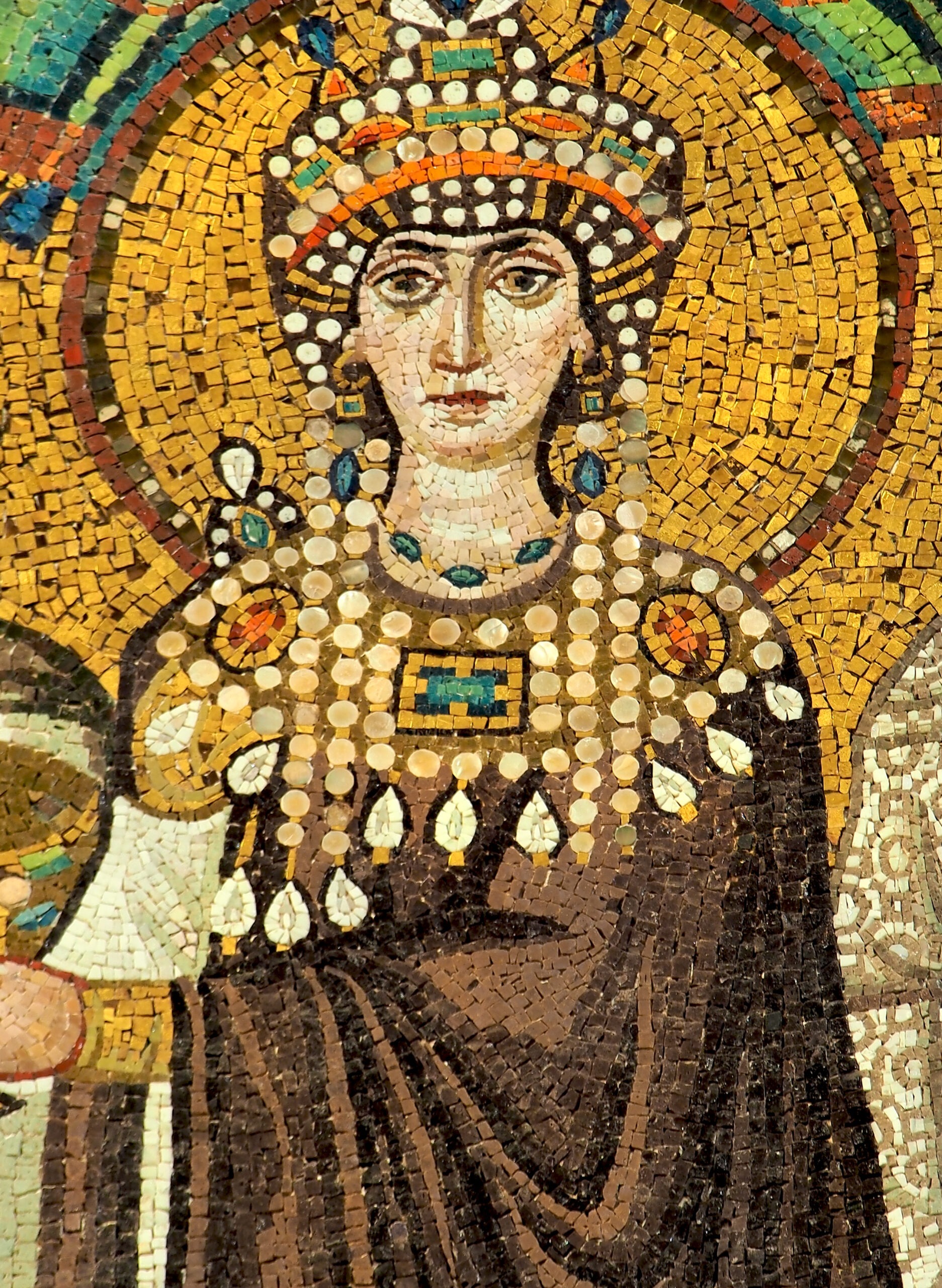
Teodora, a name that resonates through the annals of history, is one of the most remarkable figures of the Byzantine Empire. Born around the year 500 AD in Constantinople, she rose from humble beginnings to become the powerful empress alongside her husband, Justinian I. Her life story is one of extraordinary transformation, marked by a blend of political acumen, personal resilience, and a relentless drive to shape the course of an empire. This article delves into the life of Teodora, exploring her age, fame, and the significant highlights that define her legacy.
Early Life and Humble Origins
Teodora’s early life was far from the grandeur of the imperial court. She was born into a modest family in Constantinople, where her father worked as a bear trainer at the Hippodrome, a massive sports arena in the heart of the city. This environment, filled with the hustle and bustle of popular entertainments like chariot races and animal combats, was a far cry from the royal palaces she would later inhabit.
At the tender age of 12, Teodora began working as an actress, a profession that, in the Byzantine Empire, was often synonymous with a life of vice and exploitation. The acting profession in that era was not only disreputable but also perilous, especially for women. Procopius, a contemporary historian known for his detailed, albeit often scandalous, accounts of Byzantine life, suggests that Teodora was involved in activities that blurred the line between acting and prostitution. Whether these accounts are entirely accurate or exaggerated, they paint a picture of a young woman who had to navigate a treacherous social landscape.
The Turning Point: Meeting Justinian
Teodora’s life took a dramatic turn when she met Justinian, the heir to the Byzantine throne. Their relationship was not just a romantic liaison; it was a partnership that would eventually reshape the empire. Justinian, captivated by Teodora’s beauty, intelligence, and unwavering resolve, decided to marry her, despite the significant difference in their social standings. This decision was met with resistance, not only from the aristocracy but also from within the church, which frowned upon Justinian’s choice of a former actress as his wife.
In 527, Justinian ascended to the throne, and Teodora, not yet 30 years old, was crowned Empress of the Byzantine Empire. Her rise to power was unprecedented, and it marked the beginning of one of the most significant reigns in Byzantine history. Teodora’s influence over Justinian was profound; she was not merely a consort but a co-ruler, whose counsel and decisions would shape the empire’s policies and direction.
The Nika Riots: A Test of Courage
One of the most defining moments of Teodora’s life came in 532 during the Nika Riots, a massive uprising that threatened to topple Justinian’s rule. The riots began as a chariot race dispute in the Hippodrome but quickly escalated into a full-blown rebellion against the emperor. As the situation worsened, Justinian considered fleeing the city to save his life. It was Teodora who, in a moment of unparalleled bravery, convinced him to stay and fight.
Teodora’s famous speech during the crisis has been immortalized by historians. She reportedly told Justinian, “Royalty is a fine burial shroud,” implying that she would rather die as an empress than live in exile. Her words galvanized Justinian and his generals, leading to a decisive crackdown on the rebels. The brutal suppression of the Nika Riots, which resulted in the deaths of thousands of insurgents, solidified Justinian’s power and demonstrated Teodora’s indispensable role in his reign.
Political Influence and Governance
Teodora’s influence extended far beyond the crisis management of the Nika Riots. She played an active role in the governance of the empire, often working behind the scenes to influence key decisions. Her political acumen was evident in her support for various reforms, particularly those aimed at improving the lives of women and the poor.
Teodora was a champion of women’s rights in an era when such advocacy was almost unheard of. She enacted laws that prohibited forced prostitution, closed brothels, and established safe houses for women who were victims of exploitation. These actions were groundbreaking and highlighted her commitment to social justice, a commitment that stemmed from her own experiences in the lower echelons of society.
Moreover, Teodora was known for her support of the Monophysite Christian faction, a theological group that was at odds with the more dominant Chalcedonian orthodoxy. Her support for the Monophysites was not merely a matter of religious preference; it was a strategic move that helped maintain the stability of the empire by appeasing a significant portion of the population. This religious policy, while controversial, showcased her ability to navigate the complex religious and political landscape of the Byzantine Empire.
Scandals and Controversies
Despite her achievements, Teodora’s life was not without scandal and controversy. Her past as an actress and her rise to power were subjects of intense scrutiny and gossip. Procopius, in his Secret History, portrayed Teodora in a highly unflattering light, accusing her of being ruthless, vindictive, and even immoral. He claimed that she was involved in numerous acts of cruelty and that she had a network of spies who reported on anyone who spoke ill of her.
While some of these accusations were likely exaggerated, they reflect the intense scrutiny that Teodora faced as a powerful woman in a male-dominated society. Her ability to wield power effectively and maintain her position in the face of such opposition is a testament to her strength and resilience.
Teodora’s Legacy: A Lasting Impact on the Byzantine Empire
Teodora’s influence on the Byzantine Empire was profound and far-reaching. Her partnership with Justinian led to the implementation of significant legal and administrative reforms that strengthened the empire’s foundations. One of the most notable achievements of Justinian’s reign, the codification of Roman law known as the Corpus Juris Civilis, was accomplished with Teodora’s support and input. This legal code became the basis for many modern legal systems and is considered one of the most important contributions to Western legal tradition.
Teodora also played a crucial role in the construction of the Hagia Sophia, the magnificent cathedral in Constantinople that stands as one of the greatest architectural achievements of the Byzantine Empire. While Justinian is often credited with the vision for this monumental project, it is believed that Teodora had a significant influence on its design and execution.
In addition to her contributions to law and architecture, Teodora’s legacy is also evident in the social reforms she championed. Her efforts to protect women’s rights and improve the lives of the poor set a precedent for future rulers and demonstrated that effective governance could be both compassionate and just.
The Final Years and Death
Teodora’s reign as empress was marked by both triumph and tragedy. Despite her many accomplishments, she faced personal challenges, including the loss of a child and ongoing health issues. She remained a steadfast supporter of Justinian, even as her health began to decline.
Teodora passed away on June 28, 548, at the age of approximately 48. Her death was a significant blow to Justinian, who continued to rule for another 17 years but was never quite the same without her by his side. Teodora was buried in the Church of the Holy Apostles in Constantinople, a fitting resting place for a woman who had played such a pivotal role in shaping the Byzantine Empire.
Conclusion: Teodora’s Enduring Legacy
Teodora’s life is a remarkable story of transformation, from a young girl in the streets of Constantinople to one of the most powerful women in history. Her legacy as a strong, intelligent, and compassionate leader has endured through the centuries, inspiring countless individuals and shaping the course of history. Despite the controversies and challenges she faced, Teodora’s contributions to the Byzantine Empire were invaluable, and her influence is still felt today.
Her story is not just one of power and politics, but also of resilience and the ability to overcome adversity. Teodora’s life reminds us that even in the face of seemingly insurmountable obstacles, it is possible to rise above one’s circumstances and leave a lasting impact on the world. As one of the most significant figures in Byzantine history, Teodora’s legacy continues to be celebrated and studied, offering valuable lessons in leadership, governance, and the pursuit of justice.


