
Early Life and Rise to Fame
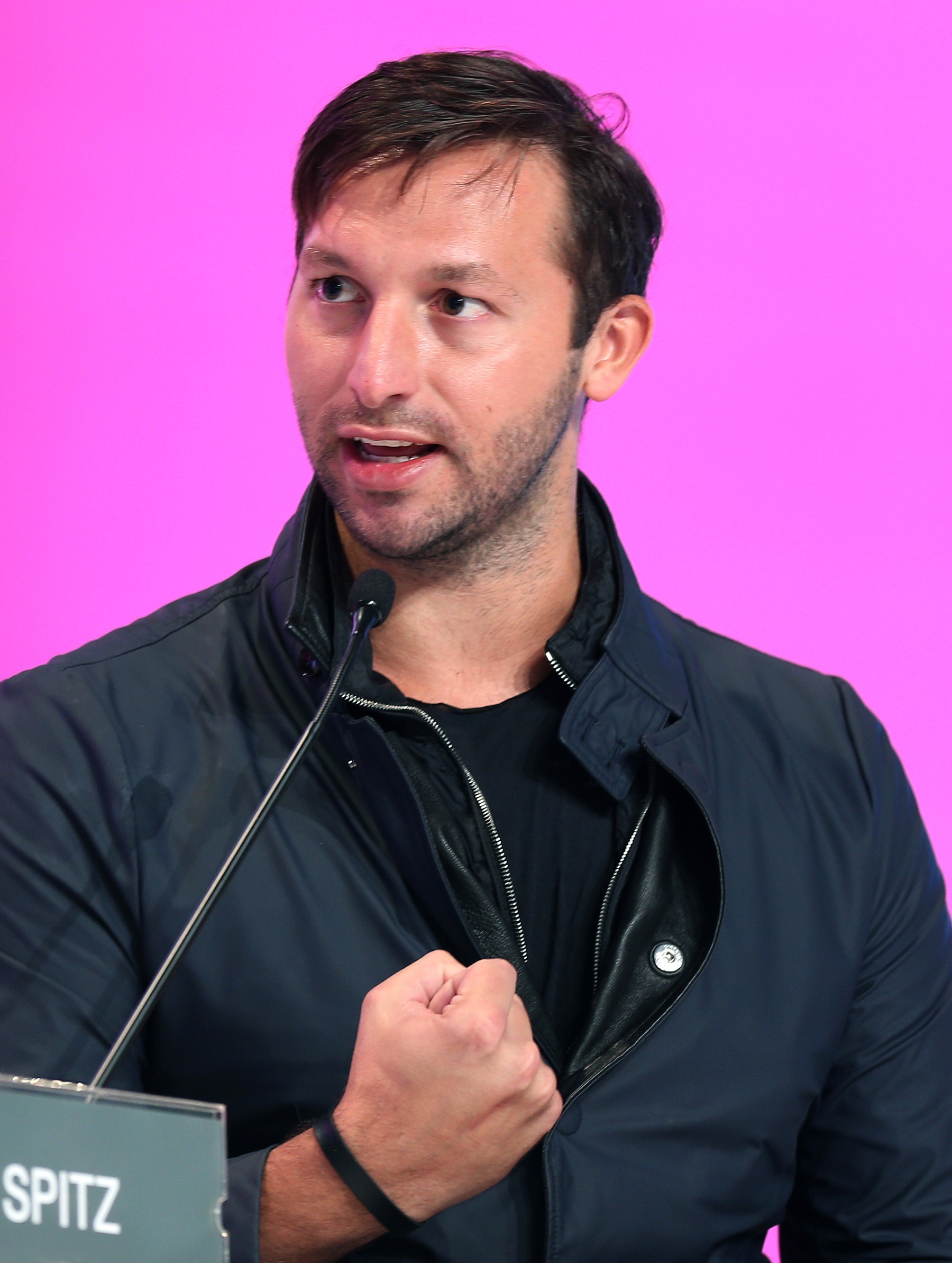
Born on October 13, 1982, in Paddington, Sydney, Australia, Ian James Thorpe quickly became a household name, earning the nickname “The Thorpedo” due to his extraordinary prowess in the water. Standing at an imposing 195 centimeters (6 feet 5 inches) and weighing 105 kilograms (231 pounds), Thorpe’s physical attributes were perfectly suited to his chosen sport. His journey to becoming one of the greatest swimmers in history began at a young age, driven by natural talent and a relentless work ethic.
From his early years, Thorpe exhibited a unique blend of power and grace in the water, a combination that would see him dominate middle-distance freestyle events throughout his career. His breakout moment came at the 1998 World Championships in Perth, where, at just 15 years old, he became the youngest-ever male world champion by winning the 400-meter freestyle.
Sydney 2000 Olympics: A Defining Moment
The 2000 Sydney Olympics marked a turning point in Thorpe’s career and solidified his status as a global sports icon. Competing on home soil, Thorpe faced immense pressure, but he delivered performances that would be remembered for generations. He won three gold medals and two silver medals, setting a new world record in the 400-meter freestyle and playing a pivotal role in Australia’s triumph in the 4×100-meter freestyle relay, a race that ended the United States’ long-standing dominance in the event.
Thorpe’s ability to maintain composure under pressure, combined with his physical dominance, made him a formidable competitor. His technique, often described as “flawless,” allowed him to glide through the water with an efficiency that left his rivals struggling to keep pace. His performances in Sydney not only earned him a place in the annals of Olympic history but also turned him into a national hero in Australia.
Continued Success and World Records
Thorpe’s success didn’t stop with the Sydney Olympics. In July 2001, at the World Championships in Fukuoka, Japan, he won six gold medals and shattered four world records. This feat established him as the undisputed king of the pool and further solidified his reputation as one of the greatest swimmers of all time. His dominance extended across multiple distances, from the 200-meter to the 800-meter freestyle, making him a versatile and consistently successful athlete.
Thorpe’s remarkable achievements were not just a result of his physical attributes but also his mental toughness. He was known for his meticulous preparation and ability to focus intensely during competitions. His training regimen was grueling, designed to push his limits and hone his technique to perfection. This dedication to his craft paid off, as Thorpe continued to set new benchmarks in the sport.
Athens 2004: The Race of the Century
The 2004 Athens Olympics provided another highlight in Thorpe’s illustrious career. Despite facing stiff competition from rivals like Pieter van den Hoogenband of the Netherlands and the emerging American star Michael Phelps, Thorpe once again proved his mettle. He won a bronze medal in the 100-meter freestyle, gold in the 200-meter freestyle, and triumphed in the 400-meter freestyle, a race often referred to as “The Race of the Century.”
The 400-meter freestyle final in Athens was a battle of titans, with Thorpe narrowly defeating van den Hoogenband and Phelps in a thrilling contest that captivated audiences worldwide. Thorpe’s ability to accelerate in the final stages of the race, a signature move of his, secured him the victory and further enhanced his legacy as one of the sport’s greatest competitors.
Beyond the Pool: Thorpe’s Personal Life and Interests
Away from the pool, Ian Thorpe was known for his calm demeanor and thoughtful approach to life. Unlike the stereotypical image of an Australian sportsman, Thorpe was reflective and cautious in his public statements. He made a conscious effort to distance himself from the media during his training and major competitions, focusing solely on his performance.
Thorpe’s interests extended beyond swimming. He had a well-documented passion for fashion, which led to a lucrative partnership with the Italian fashion house Armani. Personally chosen by Giorgio Armani as an ambassador for the brand, Thorpe’s involvement in the fashion industry demonstrated his versatility and appeal beyond the world of sports.
Despite his success, Thorpe was also known for his humility and lack of interest in other sports, focusing his energies entirely on swimming and his other passions. His heroes were not just from the pool but included legends from various sports, such as American Olympic icons Mark Spitz, Carl Lewis, and Michael Jordan. These athletes inspired Thorpe to strive for excellence and set new standards in his own career.
Challenges and Controversies
Thorpe’s career was not without its challenges. After dominating the swimming world for several years, he decided to take a sabbatical in 2005, skipping the World Championships in Montreal. This decision surprised many and led to speculation about his future in the sport. The pressure and relentless demands of elite competition had taken their toll, and Thorpe felt the need to step back and reassess his priorities.
In a shocking announcement on November 21, 2006, at the age of just 24, Thorpe declared his retirement from competitive swimming. He cited a loss of passion for the sport as the primary reason for his decision. This announcement stunned the swimming community and his fans, as Thorpe was still considered to be in the prime of his career.
Thorpe’s retirement was followed by controversy when, in 2007, a French newspaper reported that he had tested positive for banned substances during a routine doping test. Thorpe vehemently denied the allegations, and subsequent investigations cleared him of any wrongdoing. However, the episode cast a shadow over his legacy and highlighted the intense scrutiny faced by athletes at the highest level.
Return to Competitive Swimming and Legacy
In February 2011, Thorpe made headlines again by announcing his return to competitive swimming. Motivated by a desire to compete at the 2012 London Olympics, Thorpe’s comeback was highly anticipated. Despite his best efforts, however, he was unable to qualify for the Australian Olympic team, marking a bittersweet end to his storied career.
Thorpe’s legacy in the sport of swimming is undeniable. He remains one of the most decorated swimmers in history, with five Olympic gold medals, three silver medals, and one bronze medal. His 11 World Championship gold medals are a testament to his dominance on the global stage. Beyond the medals, Thorpe’s influence on the sport can be seen in the way he inspired a generation of swimmers to pursue excellence.
Historical Context and Cultural Impact
Ian Thorpe’s rise to fame occurred during a period of significant change in the world of sports. The late 1990s and early 2000s saw the emergence of athletes who were not only exceptional in their chosen sports but also adept at managing their public image and brand. Thorpe was among the first swimmers to successfully transition from being an athlete to a global celebrity, leveraging his success in the pool to secure endorsement deals and expand his influence beyond sports.
Thorpe’s impact on Australian culture cannot be overstated. At a time when Australia was striving to assert itself on the global sporting stage, Thorpe’s achievements brought immense pride to the nation. He became a symbol of Australian excellence, embodying the qualities of determination, resilience, and grace under pressure. His success in the pool, particularly at the Sydney 2000 Olympics, helped to elevate the profile of swimming in Australia and inspired countless young athletes to take up the sport.
The Human Side of a Champion
Despite his extraordinary achievements, Thorpe’s life has also been marked by personal struggles. He has spoken openly about his battles with depression and the pressures that come with being in the public eye. Thorpe’s willingness to discuss these challenges has made him a role model for many, showing that even the most successful individuals are not immune to the difficulties of life.
In recent years, Thorpe has become an advocate for mental health awareness, using his platform to encourage others to seek help and support when needed. His honesty and openness have endeared him to a new generation of fans, and his contributions to mental health advocacy are seen as an important part of his legacy.
Conclusion
Ian Thorpe is not just a swimmer; he is a legend whose impact transcends the world of sports. His dominance in the pool, coupled with his grace and humility outside of it, has made him one of the most beloved and respected figures in Australian history. Thorpe’s legacy is one of excellence, perseverance, and resilience, qualities that continue to inspire athletes and non-athletes alike.
Thorpe’s story is a testament to the power of dedication and the pursuit of greatness. Whether in the pool or in his personal life, Thorpe has faced challenges with courage and determination, leaving a lasting legacy that will be remembered for generations to come.


