
Introduction
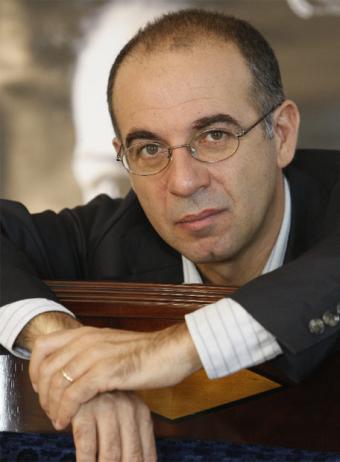
Giuseppe Tornatore is a name synonymous with Italian cinema, renowned for his artistic vision, storytelling prowess, and dedication to the craft of filmmaking. Born on May 27, 1956, in Bagheria, a small town near Palermo, Sicily, Tornatore’s journey to fame is marked by a blend of passion, talent, and an unwavering commitment to his art. This article delves into the life and career of Giuseppe Tornatore, exploring his age, rise to fame, significant works, and the lasting impact he has made on both Italian and global cinema.
Early Life and Beginnings
Giuseppe Tornatore’s affinity for the arts was evident from a young age. Growing up in the culturally rich environment of Sicily, he was exposed to a variety of artistic influences. By the age of 16, Tornatore was already making a name for himself in the world of theater, directing plays by giants such as Luigi Pirandello and Eduardo De Filippo. His early experiences in the theater laid the groundwork for his later success in film, providing him with a deep understanding of narrative structure and character development.
However, it wasn’t until several years later that Tornatore would make his foray into cinema. His initial work in the film industry was primarily focused on documentaries and television productions. One of his early notable works was the documentary “Le minoranze etniche in Sicilia,” which won an award at the Salerno Festival. This early success hinted at Tornatore’s potential, but it was only the beginning of what would become a distinguished career.
Breakthrough with “Nuovo Cinema Paradiso”
The turning point in Tornatore’s career came in the late 1980s. After working on several documentary projects for the Italian broadcaster RAI, including “Diario di Guttuso” and “Scrittori siciliani e cinema,” Tornatore made his feature film debut with “Il Camorrista” in 1986. The film, which depicted the life of a notorious Neapolitan criminal, was well-received and earned Tornatore the Nastro d’Argento award for Best New Director. This success set the stage for what would become one of the most iconic films in Italian cinema history.
In 1988, Tornatore directed “Nuovo Cinema Paradiso,” a film that would catapult him to international fame. The movie, which tells the story of a young boy’s love for cinema in post-World War II Italy, is both a nostalgic homage to the power of film and a poignant exploration of the passage of time. “Nuovo Cinema Paradiso” was initially met with mixed reviews and even suffered from significant cuts during its initial release. However, after a re-edited version was presented at the Cannes Film Festival, the film went on to win the prestigious Grand Prix and later the Academy Award for Best Foreign Language Film.
The success of “Nuovo Cinema Paradiso” marked the beginning of Tornatore’s reputation as a filmmaker capable of creating deeply emotional and visually stunning narratives. The film’s international acclaim also helped to reignite interest in Italian cinema, which had been struggling to find its place in the global film industry.
The 1990s: A Decade of Artistic Exploration
The 1990s saw Tornatore continuing to build on the success of “Nuovo Cinema Paradiso” with a series of films that further established his reputation as a master storyteller. In 1990, he directed “Stanno tutti bene,” a film about a Sicilian father traveling across Italy to visit his children. The film, starring Marcello Mastroianni in one of his final roles, was praised for its sensitive portrayal of family dynamics and the changing landscape of Italian society.
Tornatore’s next major project was “Una pura formalità” (1994), a film that marked a departure from the poetic style of his earlier works. Starring Roman Polanski and Gérard Depardieu, “Una pura formalità” is a psychological thriller that delves into themes of memory, guilt, and identity. The film’s darker tone and intricate narrative structure demonstrated Tornatore’s versatility as a filmmaker and his ability to tackle a wide range of genres.
In 1995, Tornatore returned to the more familiar terrain of nostalgic storytelling with “L’uomo delle stelle” (The Star Maker). The film, which follows a con artist who travels through rural Italy promising to make villagers movie stars, is a bittersweet exploration of dreams and deception. “L’uomo delle stelle” was well-received by critics and audiences alike, earning Tornatore the David di Donatello award for Best Director.
The Late 1990s and Early 2000s: Global Recognition
The late 1990s and early 2000s were a period of significant international recognition for Tornatore. In 1998, he directed “La leggenda del pianista sull’oceano” (The Legend of 1900), an adaptation of Alessandro Baricco’s monologue “Novecento.” The film, starring Tim Roth as a pianist who lives his entire life aboard a ship, is a visually stunning and emotionally resonant exploration of isolation and identity. “La leggenda del pianista sull’oceano” received numerous awards, including the David di Donatello for Best Director, and further cemented Tornatore’s status as a filmmaker of global significance.
In 2000, Tornatore directed “Malèna,” a coming-of-age story set during World War II that starred Monica Bellucci as the titular character. The film, which explores themes of beauty, desire, and the harsh realities of war, was a commercial success and received widespread acclaim for its evocative cinematography and powerful performances.
Continued Success and Controversy in the 21st Century
As Tornatore entered the 21st century, he continued to push the boundaries of his craft while also facing new challenges. In 2006, he directed “La sconosciuta” (The Unknown Woman), a thriller that tackles difficult themes such as human trafficking and exploitation. The film was a critical success, winning three David di Donatello awards, and showcased Tornatore’s ability to create suspenseful and thought-provoking narratives.
In 2009, Tornatore returned to his roots with “Baarìa,” a sprawling epic that chronicles the history of his hometown, Bagheria, from the 1920s to the 1980s. The film, which features an ensemble cast and a score by Ennio Morricone, is a deeply personal work that reflects Tornatore’s love for his homeland. “Baarìa” was selected as the Italian entry for the Best Foreign Language Film at the Academy Awards and received numerous accolades, further solidifying Tornatore’s place in the pantheon of great Italian filmmakers.
However, Tornatore’s career has not been without controversy. In 2017, amidst the rising wave of the #MeToo movement, he was accused of sexual harassment by Italian actress Miriana Trevisan. Tornatore denied the allegations and subsequently won a defamation lawsuit against Trevisan. The incident, however, cast a shadow over his otherwise illustrious career and highlighted the broader issues of gender dynamics and power in the film industry.
Recent Work and Legacy
In recent years, Tornatore has continued to explore new creative avenues while also reflecting on his legacy. In 2021, he directed the documentary “Ennio,” a tribute to his longtime collaborator and legendary composer Ennio Morricone. The documentary, which was presented at the Venice Film Festival, was a critical success and won three David di Donatello awards. “Ennio” is a testament to Tornatore’s deep respect for the art of cinema and his commitment to preserving the memory of one of Italy’s greatest musical talents.
As Tornatore approaches his 70th birthday, his influence on the world of cinema remains undeniable. His films, characterized by their emotional depth, visual beauty, and cultural resonance, continue to captivate audiences around the globe. Tornatore’s ability to weave together personal stories with universal themes has made him one of the most important filmmakers of his generation.
Conclusion
Giuseppe Tornatore’s journey from a small town in Sicily to the heights of international cinema is a testament to his talent, dedication, and love for storytelling. With a career spanning over four decades, Tornatore has left an indelible mark on the world of film, creating works that resonate with audiences on a deeply emotional level. His ability to capture the essence of human experience, whether through the lens of nostalgia, love, or tragedy, has made him a true master of his craft.
As we look back on Tornatore’s life and career, it is clear that his contributions to cinema will continue to inspire future generations of filmmakers. Whether through the iconic “Nuovo Cinema Paradiso” or the evocative “La leggenda del pianista sull’oceano,” Tornatore’s films stand as a testament to the power of cinema to move, inspire, and connect us all.


