
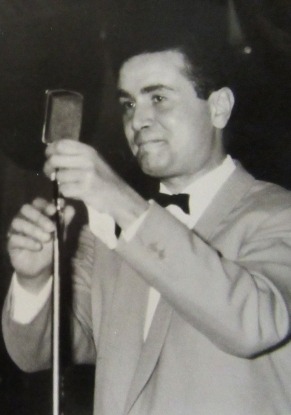
Enzo Tortora is a name that resonates deeply within Italian television history. Born on November 30, 1928, in Genoa, Italy, Tortora’s life was a mix of immense professional success and personal tribulations that made him a household name and, eventually, a symbol of the fight against judicial injustice.
Early Life and Career Beginnings
Enzo Tortora began his journey in the world of media at a young age. After completing his studies in his hometown of Genoa, where he engaged in various theatrical activities alongside renowned personalities like Paolo Villaggio, he moved to Rome. At just 23 years old, Tortora secured a position at RAI (Radiotelevisione Italiana), Italy’s national public broadcasting company. His initial work was in radio, where he hosted the program “Campanile d’Oro.”
By 1956, Tortora made his debut on television with the show “Primo Applauso,” which he co-hosted with Silvana Pampanini. This marked the beginning of a successful television career, which soon led him to host “Telematch” and later, the popular show “Campanile Sera,” which was originally launched by the legendary Mike Bongiorno. These early experiences solidified Tortora’s place in the Italian entertainment industry and introduced him to a broader audience.
The Rise to Fame: “Portobello”
Enzo Tortora’s career reached new heights when he began hosting “Portobello” in the late 1970s. The show, which first aired in 1977, was a groundbreaking format that attracted over 26 million viewers—a remarkable feat at the time. “Portobello” was not just another television program; it was a cultural phenomenon that introduced the concept of “TV verità” or “truth TV.” The show’s success was attributed to its unique blend of human stories, live interactions, and an innovative format that captivated audiences across Italy.
Tortora’s warm and empathetic hosting style made him beloved by viewers. His ability to connect with people, both on and off-screen, was a testament to his natural talent as a communicator. “Portobello” became synonymous with Tortora’s name, and he became one of the most recognized and respected figures in Italian television.
The Downfall: Arrest and Judicial Nightmare
However, Enzo Tortora’s life took a dramatic turn in 1983. On June 17, 1983, Tortora was arrested based on the accusations of a mafia informant. The charges were severe, including allegations of being involved with the Camorra, a notorious criminal organization. The arrest shocked the nation and marked the beginning of a long and painful legal battle that would dominate the rest of Tortora’s life.
Tortora maintained his innocence throughout the ordeal, and his case became a symbol of the flaws and failures within the Italian justice system. The trial was marked by numerous irregularities, and Tortora’s reputation was severely damaged. Despite the overwhelming public support, the legal process was slow and arduous.
Political Involvement and Advocacy
During this difficult period, Tortora became an advocate for human rights and justice reform. In 1984, while still under the cloud of the legal accusations, he was elected as a Member of the European Parliament on the Radical Party ticket. His political involvement was driven by his personal experiences and a desire to reform the very system that had wronged him.
Tortora’s case drew attention to the broader issues of wrongful imprisonment and the need for judicial reform in Italy. His political career, though brief, was marked by his passionate advocacy for the rights of the accused and his unwavering commitment to justice.
Acquittal and Return to Television
After a long and grueling legal process, Enzo Tortora was finally acquitted by the Italian Supreme Court on February 20, 1987. The acquittal was a vindication of Tortora’s innocence, but the damage had already been done. The ordeal had taken a significant toll on his health and spirit. Nonetheless, Tortora made a courageous return to television, resuming his role as the host of “Portobello” and later working on another show, “Giallo.”
Despite his return to the public eye, it was clear that Tortora was deeply affected by his experiences. The once-vibrant and energetic host now appeared more subdued and fragile. His return to television was a testament to his resilience, but it was also a poignant reminder of the personal cost of his legal battle.
Legacy and Death
Enzo Tortora’s life came to a premature end on May 18, 1988, when he passed away in his home in Milan due to cancer. His death marked the end of a tumultuous and remarkable life that had left an indelible mark on Italian culture and society.
In the years following his death, Tortora’s legacy has been preserved through various tributes and honors. The “Biblioteca Enzo Tortora” in Rome and the “Fondazione per la Giustizia Enzo Tortora,” chaired by his partner Francesca Scopelliti, stand as enduring testaments to his contributions to the fight for justice.
Tortora’s life has also been the subject of films and documentaries, most notably the 1999 film “Un uomo perbene” (A Decent Man) directed by Maurizio Zaccaro, with Michele Placido portraying Tortora. The film captured the essence of Tortora’s struggle and the impact it had on Italian society.
Conclusion
Enzo Tortora’s story is one of talent, tragedy, and ultimately, redemption. His contributions to Italian television are undeniable, and his legacy as a champion for justice continues to inspire. Tortora’s life serves as a powerful reminder of the importance of integrity, resilience, and the ongoing fight for fairness within the judicial system. His name remains etched in the collective memory of Italy, not only as a beloved television host but also as a symbol of the enduring quest for justice.


