
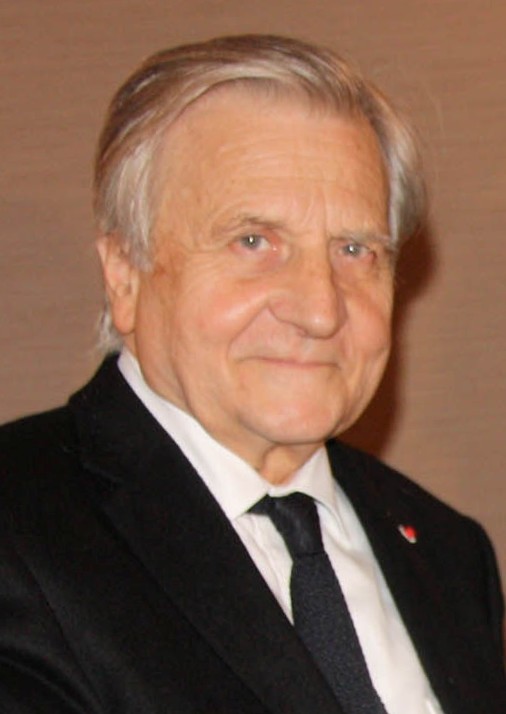
Jean-Claude Trichet is a name synonymous with European economic policy and global financial leadership. With a career spanning several decades, Trichet has played a pivotal role in shaping the economic landscape of Europe and beyond. This article delves into the age, fame, and life highlights of Jean-Claude Trichet, providing a comprehensive overview of his contributions to global finance, his leadership in times of economic crises, and the legacy he has left behind.
Early Life and Education
Born on December 20, 1942, in Lyon, France, Jean-Claude Trichet’s early years were marked by a deep intellectual curiosity and a drive for excellence. Growing up in post-war France, a nation grappling with economic reconstruction and political instability, Trichet developed an interest in economics and public policy from a young age. His education began at the prestigious Lycée Condorcet in Paris, where he demonstrated a remarkable aptitude for mathematics and social sciences.
Trichet’s academic journey continued at the École Nationale d’Administration (ENA), a highly selective French institution known for producing many of the country’s top civil servants and political leaders. Here, he honed his skills in economics and administration, laying the foundation for a career that would see him become one of the most influential figures in European finance. His education at ENA was pivotal, providing him with a robust understanding of both national and international economic frameworks.
Rise to Prominence: A Career in Public Service
Jean-Claude Trichet’s professional career began in the French Civil Service in the early 1970s, where he quickly rose through the ranks. His early roles included positions at the Ministry of Finance and the French Treasury, where he worked on various economic policies that shaped France’s fiscal and monetary strategies during a period of significant economic change. His expertise in economic policy, combined with a reputation for diligence and strategic thinking, soon brought him to the forefront of France’s financial administration.
In 1987, Trichet was appointed Director of the Treasury, a position that marked the beginning of his influence on European economic policy. As Director, he was involved in the negotiations leading up to the Maastricht Treaty, which laid the groundwork for the creation of the Euro and the European Union’s Economic and Monetary Union (EMU). Trichet’s role in these negotiations was crucial, as he advocated for strong fiscal discipline and a stable currency, principles that would later define the Eurozone’s economic policies.
The European Central Bank Years: Leadership and Challenges
Jean-Claude Trichet’s appointment as the President of the European Central Bank (ECB) in 2003 marked the pinnacle of his career. Serving until 2011, Trichet presided over the ECB during one of the most tumultuous periods in modern economic history. His tenure was characterized by significant challenges, including the global financial crisis of 2008 and the subsequent Eurozone debt crisis.
Under Trichet’s leadership, the ECB took unprecedented steps to stabilize the European economy. He was instrumental in implementing policies such as lowering interest rates and providing liquidity to banks to ensure the stability of the financial system. Trichet’s decision to maintain price stability while navigating the complexities of the financial crisis showcased his commitment to the ECB’s mandate and his ability to make tough decisions under pressure.
Trichet’s approach to crisis management was often described as cautious yet decisive. He advocated for a balanced approach to monetary policy, emphasizing the need for both economic growth and fiscal responsibility. His tenure at the ECB was marked by a series of controversial decisions, including the purchase of government bonds from distressed Eurozone countries, a move that was both praised and criticized by economists and policymakers alike.
Fame and Controversy: A Balanced Perspective
Jean-Claude Trichet’s fame as a central banker is closely tied to his handling of the financial crises that marked his tenure at the ECB. His leadership style, characterized by a blend of pragmatism and adherence to core economic principles, earned him respect and criticism in equal measure. While some praised his efforts to stabilize the Eurozone, others argued that his policies were too conservative, potentially stifling economic recovery in certain member states.
One of the most contentious aspects of Trichet’s legacy is his stance on fiscal austerity. During the Eurozone crisis, Trichet advocated for strict fiscal discipline among member states, urging governments to reduce public deficits and debt levels. Critics argue that this approach exacerbated economic hardships in countries like Greece, Spain, and Portugal, where austerity measures led to severe social and economic consequences. Proponents, however, maintain that Trichet’s emphasis on fiscal responsibility was necessary to restore confidence in the Euro and prevent a broader financial collapse.
Despite the controversies, Trichet’s contributions to European and global finance cannot be understated. His tenure at the ECB coincided with a period of profound economic transformation, and his decisions helped shape the trajectory of the Eurozone’s recovery. Trichet’s influence extended beyond monetary policy; he was also a vocal advocate for stronger economic governance and closer integration within the European Union, ideas that continue to resonate in contemporary debates on the future of Europe.
Post-ECB Career: Continuing Influence in Global Finance
After stepping down from the ECB in 2011, Jean-Claude Trichet did not retire from public life. Instead, he continued to play an active role in global finance and economic policy. He has been a regular participant in international economic forums, including the World Economic Forum in Davos and the annual meetings of the International Monetary Fund and World Bank. His insights on economic policy and governance are widely sought after, and he remains a respected voice in discussions on the future of the Eurozone and global economic stability.
Trichet has also served in various advisory and board roles, leveraging his extensive experience to influence economic policy and corporate governance. He is a member of several think tanks and policy institutes, where he contributes to research and policy recommendations on issues ranging from monetary policy to financial regulation and economic reform. Trichet’s post-ECB career reflects his enduring commitment to public service and his belief in the importance of sound economic governance.
Personal Life and Legacy
Jean-Claude Trichet’s personal life has been marked by a dedication to public service and a passion for economic policy. Despite the pressures of his high-profile career, he has maintained a relatively low profile outside of his professional duties. Trichet is known for his intellectual rigor and his ability to remain calm under pressure, qualities that have served him well throughout his career.
Trichet’s legacy is a complex one, shaped by his significant contributions to European and global finance and the controversies that accompanied his decisions. As the President of the ECB, he played a crucial role in navigating one of the most challenging periods in modern economic history, leaving a lasting impact on the Eurozone and the broader global economy. His emphasis on fiscal discipline and monetary stability continues to influence economic policy debates, and his leadership during the financial crisis is often cited as a model of crisis management.
In retrospect, Trichet’s career can be seen as a testament to the importance of principled leadership and the challenges of balancing competing economic priorities. His ability to navigate the complexities of the global financial system while maintaining a commitment to core economic principles has earned him a place among the most respected central bankers of his generation.
Jean-Claude Trichet’s Views on Current Economic Issues
Even after his tenure at the ECB, Jean-Claude Trichet remains an influential figure in economic discussions. He frequently shares his views on current economic issues, providing insights into the challenges facing the global economy today. Trichet has been vocal about the need for greater fiscal integration within the Eurozone, arguing that stronger economic governance is essential for the stability and resilience of the European Union.
Trichet has also expressed concerns about the rising levels of global debt and the potential risks they pose to economic stability. He advocates for prudent fiscal policies and the importance of structural reforms to enhance economic growth and resilience. His views on economic policy continue to shape discussions among policymakers, academics, and financial professionals, underscoring his enduring influence in the field of economics.
Conclusion: The Enduring Legacy of Jean-Claude Trichet
Jean-Claude Trichet’s life and career offer a compelling narrative of leadership, resilience, and commitment to public service. From his early days in the French Civil Service to his role as the President of the European Central Bank, Trichet has demonstrated a deep understanding of economic policy and a dedication to the principles of fiscal discipline and monetary stability.
His leadership during the financial crisis of 2008 and the Eurozone debt crisis highlighted his ability to navigate complex economic challenges with a steady hand and a clear vision. While his tenure at the ECB was not without controversy, Trichet’s contributions to European and global finance are undeniable. His emphasis on strong economic governance and fiscal responsibility continues to resonate in economic policy discussions today.
As we reflect on Jean-Claude Trichet’s legacy, it is clear that his impact on the world of finance and economic policy will be felt for years to come. His career serves as a reminder of the importance of principled leadership and the complexities of managing an interconnected global economy. For those looking to understand the dynamics of economic policy and central banking, Jean-Claude Trichet’s life and work provide valuable insights and lessons that remain relevant in today’s ever-changing economic landscape.


