
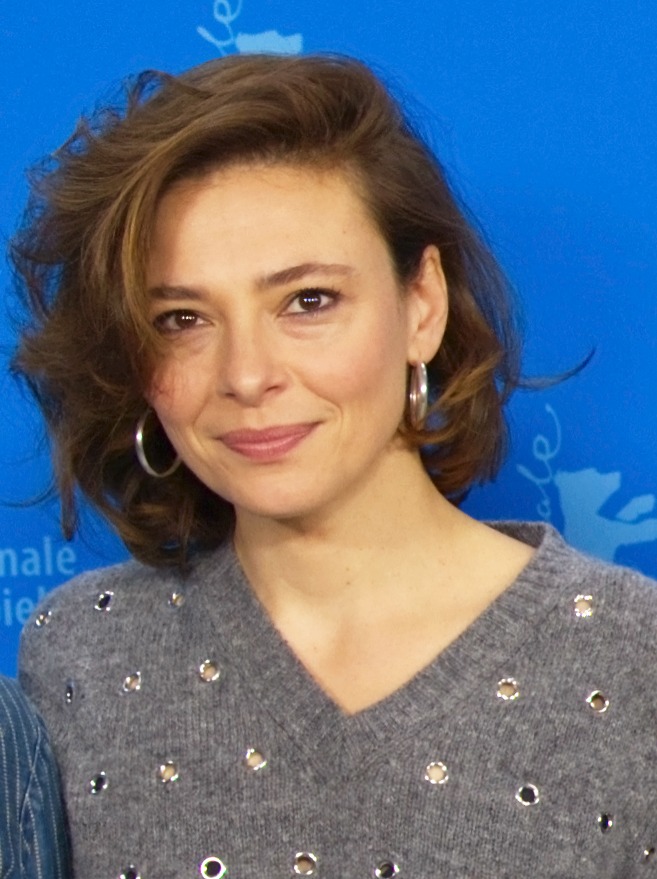
Jasmine Trinca, born on April 24, 1981, in Rome, Italy, is a critically acclaimed actress whose journey into the film industry was serendipitous yet marked by undeniable talent and dedication. Over the years, Trinca has become one of Italy’s most prominent actresses, celebrated for her powerful performances and her ability to portray complex characters with depth and authenticity. This article delves into Jasmine Trinca’s age, the trajectory of her fame, and the key highlights of her life and career.
Early Life and Unplanned Entry into Acting
Jasmine Trinca’s story begins in Rome, where she was born into a world far removed from the glamorous life of cinema. She never harbored dreams of becoming an actress; in fact, her first foray into acting was entirely accidental. While attending a classical high school in Rome, Trinca participated in auditions not out of a passion for acting, but rather due to her fascination with the renowned Italian director, Nanni Moretti.
Moretti, known for his keen eye for talent, saw something exceptional in the young Jasmine Trinca. After conducting over 2,500 auditions, he chose her for a role in his 2001 film La stanza del figlio (The Son’s Room). The film, which deals with the emotional turmoil of a family after the death of a son, was critically acclaimed and went on to win the Palme d’Or at the Cannes Film Festival. Trinca’s performance was widely praised, marking the beginning of her illustrious career.
Balancing Education and Acting
Despite her early success in acting, Jasmine Trinca was determined to complete her education. She graduated from high school with top honors and pursued a degree in Archaeology at the university level. This decision underscores Trinca’s intellectual curiosity and her commitment to a well-rounded life beyond the silver screen.
Rise to Fame: Breakthrough Roles
Trinca’s next major role came in 2003 with La meglio gioventù (The Best of Youth), directed by Marco Tullio Giordana. The film, which spans several decades and follows the lives of two brothers, became a cornerstone of modern Italian cinema. Trinca’s portrayal of Giorgia, a young woman struggling with mental illness, earned her the Nastro d’Argento award in 2004 for Best Actress along with the female cast of the film.
In 2005, Trinca starred in Romanzo criminale, directed by Michele Placido. The film, based on the true story of the Banda della Magliana, a criminal organization in Rome, was both a critical and commercial success. Trinca’s role in Romanzo criminale solidified her reputation as a versatile actress capable of delivering compelling performances across a range of genres.
Continued Success and International Recognition
Jasmine Trinca continued to work with some of Italy’s most respected directors, including Nanni Moretti, with whom she collaborated again in 2006 for Il caimano (The Caiman). In this film, Trinca played the role of a young director navigating the complex and often treacherous waters of the film industry. Her performance was once again met with critical acclaim.
In 2007, she starred in Piano, solo, directed by Riccardo Milani, a film that further showcased her range as an actress. The film, based on the life of jazz pianist Luca Flores, allowed Trinca to explore the emotional depths of a character connected to a deeply sensitive and troubled musician.
However, it was her role in the 2009 film Il grande sogno (The Big Dream), directed by Michele Placido, that marked a significant turning point in her career. Trinca’s portrayal of a young woman involved in the student protests of 1968 earned her the Best Emerging Actress award at the Venice Film Festival. This accolade not only recognized her talent but also her ability to bring historical and social contexts to life through her performances.
Cannes Triumph and More Recent Works
Jasmine Trinca’s career reached new heights in 2017 when she won the Best Actress award at the Cannes Film Festival for her role in Fortunata. Directed by Sergio Castellitto, Fortunata tells the story of a single mother struggling to overcome the challenges of her life while chasing her dream of opening a beauty salon. Trinca’s raw and heartfelt portrayal of the titular character resonated with audiences and critics alike, further cementing her status as one of Europe’s leading actresses.
In 2018, Trinca took on the challenging role of Ilaria Cucchi in Sulla mia pelle (On My Skin). The film, based on the true story of Stefano Cucchi, a young man who died in police custody, was presented at the 75th Venice International Film Festival. Trinca’s performance was both powerful and poignant, capturing the emotional and social complexities surrounding the real-life events depicted in the film.
Recognition and Directorial Debut
Jasmine Trinca’s work has not gone unnoticed in the film industry. In 2020, she was awarded the Best Actress award at the David di Donatello Awards for her role in La dea fortuna (The Goddess of Fortune), directed by Ferzan Ozpetek. The film, which deals with themes of love, loss, and family, once again highlighted Trinca’s ability to convey deep emotional narratives.
The same year, Trinca made her directorial debut at the Venice Film Festival with the short film Being My Mom. The film, which explores the complex relationship between a mother and her daughter, is a deeply personal project for Trinca, as it reflects on her own experiences with motherhood and the loss of her own mother when she was in her early thirties. Trinca’s transition from actress to director signifies her growing influence and versatility within the film industry.
Jasmine Trinca’s Legacy and Impact
Jasmine Trinca’s career is a testament to her talent, resilience, and dedication to her craft. From her accidental entry into the world of acting to her current status as a celebrated actress and director, Trinca has consistently pushed the boundaries of what is possible in cinema. Her performances have not only entertained audiences but have also sparked important conversations about social issues, history, and the human experience.
As she continues to take on new roles and explore different facets of filmmaking, Jasmine Trinca remains a powerful figure in contemporary cinema. Her work serves as an inspiration to aspiring actors and filmmakers, demonstrating that success in the film industry requires not only talent but also a deep commitment to telling stories that matter.
In conclusion, Jasmine Trinca is much more than just an actress; she is a storyteller, a trailblazer, and a cultural icon. Her journey from a reluctant actress to an award-winning performer and director is a story of passion, perseverance, and the pursuit of excellence. As she continues to evolve in her career, there is no doubt that Jasmine Trinca will leave an indelible mark on the world of cinema.


