
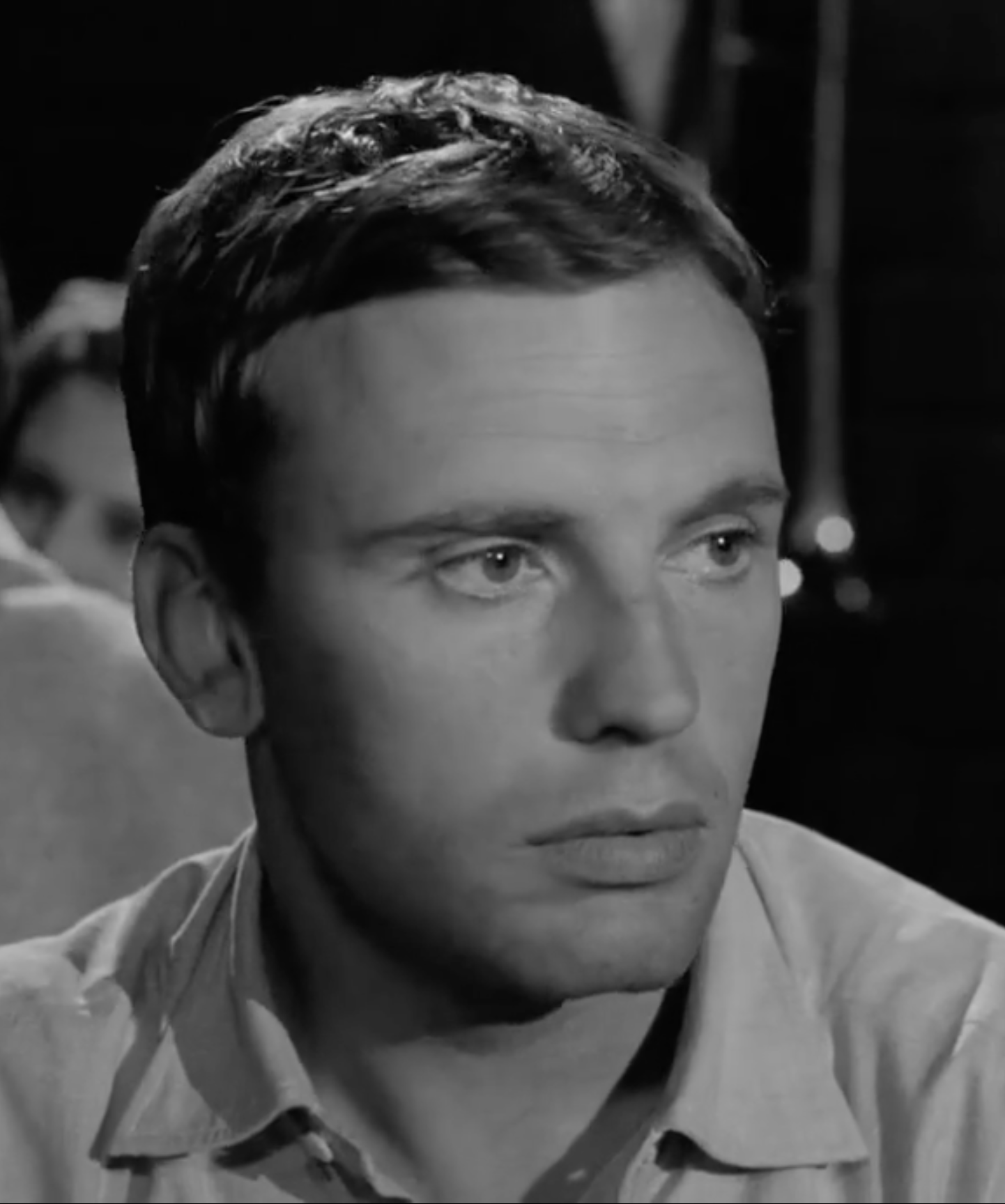
Jean-Louis Trintignant was a legendary French actor whose career spanned over six decades. Born on December 11, 1930, in Piolenc, Provence, France, Trintignant is remembered for his remarkable versatility, subtle performances, and his ability to captivate audiences across generations. His contributions to cinema have left an indelible mark on the industry, both in France and internationally. This article will delve into the life, fame, and key highlights of Jean-Louis Trintignant’s illustrious career.
Early Life and Beginnings
Jean-Louis Trintignant was born into a well-to-do family. His father was an industrialist, and the young Jean-Louis initially seemed destined to follow a more conventional path. However, his passion for the arts, particularly theater, led him to pursue acting during the 1950s. His early exposure to theater was crucial in shaping his acting style, which later became known for its understated and introspective quality.
Trintignant’s first major breakthrough came in 1955 when he starred in Roger Vadim’s film “And God Created Woman” alongside the iconic Brigitte Bardot. This film not only catapulted Bardot to international fame but also put Trintignant on the map as one of the rising stars of French cinema. The film was a turning point in his career, setting the stage for a series of roles that would establish him as one of the most respected actors of his generation.
Rise to Fame: The 1960s and Beyond
The 1960s were a defining decade for Trintignant. He gained significant recognition in Italy, where he worked with notable directors such as Valerio Zurlini in “Violent Summer” (1959) and Dino Risi in “Il Sorpasso” (1962). His role in “Il Sorpasso,” where he starred opposite the legendary Vittorio Gassman, remains one of the most celebrated performances in Italian cinema. The film was a critical and commercial success, further solidifying Trintignant’s status as a leading actor in Europe.
However, it was his role in Claude Lelouch’s “A Man and a Woman” (1966) that brought him international fame. The film, which won the Palme d’Or at the Cannes Film Festival and two Academy Awards, showcased Trintignant’s ability to convey deep emotion with subtlety and restraint. His portrayal of a widowed race car driver who finds love again was met with widespread acclaim, and the film remains a classic in world cinema.
Military Service and Return to Cinema
Despite his rising fame, Trintignant’s career was briefly interrupted when he was called to serve in the military. He was sent to Algiers during the Algerian War, a period that profoundly affected him. After completing his service, he returned to Paris and resumed his acting career with renewed vigor.
In the years that followed, Trintignant continued to take on challenging roles in a variety of genres. He collaborated with some of the most influential directors of the time, including Bernardo Bertolucci in “The Conformist” (1970) and Costa-Gavras in “Z” (1969). His performance in “Z,” a political thriller, earned him the Best Actor award at the Cannes Film Festival and further established him as one of the most versatile actors of his time.
Personal Life and Tragic Loss
Trintignant’s personal life was marked by both happiness and tragedy. He married actress and filmmaker Nadine Marquand, with whom he had three children, including Marie Trintignant, who would also become a well-known actress. However, their marriage eventually ended in divorce.
The greatest tragedy of Trintignant’s life came in 2003 when his daughter Marie died under tragic circumstances. She was fatally injured by her boyfriend, Bertrand Cantat, the lead singer of the French rock band Noir Désir. The loss of his daughter had a profound impact on Trintignant, leading him to withdraw from cinema for a period and focus instead on theater, where he found solace in poetry and performance.
Later Years and Final Performances
In the late 1980s and early 1990s, Trintignant’s career slowed down due to health issues following a car accident. However, he made a powerful return to the screen in 1994 with his performance in Krzysztof Kieslowski’s “Three Colors: Red,” the final installment of Kieslowski’s acclaimed trilogy. His role as a retired judge who becomes entangled in the life of a young model earned him a César Award nomination for Best Actor.
In the 2000s, Trintignant’s work in cinema became less frequent as he dealt with the aftermath of his daughter’s death. However, he continued to perform on stage, dedicating himself to projects that were deeply personal. In 2004, he created a theatrical performance centered around the poetry of Guillaume Apollinaire, which he dedicated to his late daughter, Marie. This period of his life was marked by introspection and a focus on projects that resonated with him on a personal level.
Legacy and Impact on Cinema
Jean-Louis Trintignant passed away on June 17, 2022, at the age of 91 in Uzès, France. His death marked the end of an era in French cinema, but his legacy continues to live on through the many films that defined his career. Trintignant was not only an actor but also a symbol of a certain era of European cinema that valued subtlety, depth, and emotional complexity.
Throughout his career, Trintignant was known for his ability to disappear into his roles, bringing a quiet intensity to his performances that few could match. He was often cast in roles that required a deep understanding of human psychology, and his performances were characterized by a profound empathy for the characters he portrayed.
Historical Context and Influence
To fully appreciate Jean-Louis Trintignant’s impact on cinema, it’s essential to consider the historical context in which he rose to fame. The 1950s and 1960s were a transformative period for French cinema, marked by the rise of the French New Wave (La Nouvelle Vague). While Trintignant was not directly associated with the movement, his work during this time contributed to the broader cultural shift that was taking place in European cinema.
Trintignant’s collaborations with directors like Lelouch, Bertolucci, and Kieslowski placed him at the intersection of different cinematic traditions, allowing him to bring a unique blend of styles to his performances. His ability to move seamlessly between different genres and national cinemas made him a truly international actor, one whose influence extended far beyond France.
Conclusion: A Lasting Legacy
Jean-Louis Trintignant’s life and career are a testament to the enduring power of cinema. From his early days as a young actor in the 1950s to his final performances in the 21st century, Trintignant remained committed to his craft, always seeking out roles that challenged him and allowed him to explore the depths of human experience. His legacy is not just one of great performances but of a deep love for the art of acting and a profound understanding of the human condition.
As we look back on his life, it’s clear that Jean-Louis Trintignant was more than just an actor; he was a true artist whose work will continue to inspire future generations of filmmakers and actors alike. His contributions to cinema will be remembered as some of the most significant in the history of the medium, and his name will forever be associated with the golden age of European cinema.


