
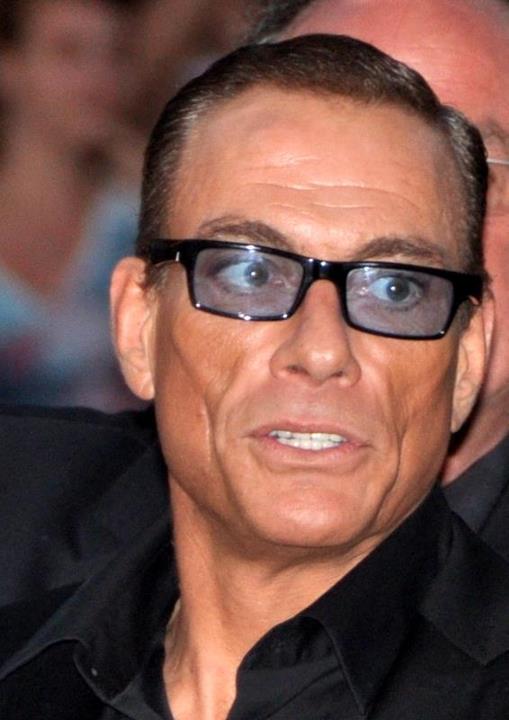
Jean-Claude Van Damme, born on October 18, 1960, in Sint-Agatha-Berchem, Belgium, is a celebrated martial artist, actor, and film producer. Known for his impressive physical abilities, including his famous splits and high kicks, Van Damme has become a global icon in action cinema. His journey from a small town in Belgium to becoming a Hollywood star is a testament to his determination, skill, and relentless pursuit of his dreams. Over the years, Van Damme has captivated audiences with his on-screen charisma and action-packed performances, making him one of the most recognizable figures in the entertainment industry.
Early Life and Introduction to Martial Arts
Jean-Claude Camille François Van Varenberg, better known as Jean-Claude Van Damme, was born into a modest family in Belgium. From a young age, Van Damme exhibited a keen interest in physical fitness and martial arts. His father enrolled him in karate classes when he was just ten years old, and Van Damme quickly excelled in the discipline. By the age of 16, he had earned a black belt in karate and began competing in various martial arts tournaments across Europe.
In addition to karate, Van Damme also trained in ballet, which he has often credited for his flexibility and agility. His dedication to physical training extended beyond martial arts, as he also engaged in bodybuilding, sculpting his physique to match the demands of action cinema. His early success in martial arts, including winning the European Professional Karate Association championship, laid the foundation for his future career in Hollywood.
The Move to Hollywood and Early Career Struggles
Despite his achievements in Europe, Van Damme dreamed of making it big in Hollywood. In the early 1980s, he sold his gym in Belgium and moved to the United States with little more than a few hundred dollars in his pocket. The transition was not easy. Van Damme faced numerous challenges, including the language barrier and the highly competitive nature of the film industry. He took on various odd jobs, including working as a carpet layer and pizza delivery man, while auditioning for film roles.
Van Damme’s persistence eventually paid off when he caught the attention of producer Menahem Golan, co-founder of Cannon Films. Golan was impressed by Van Damme’s martial arts skills, particularly his ability to perform a split between two chairs—a move that would later become one of his signature stunts. This led to Van Damme’s first significant role in the 1987 film Bloodsport, which was based on the true story of Frank Dux, a martial artist who participated in underground fighting tournaments.
Bloodsport became a surprise hit, grossing millions at the box office and establishing Van Damme as a rising star in the action genre. The film showcased his martial arts prowess and screen presence, earning him a loyal fan base and paving the way for future success.
Rise to Fame: The Golden Era of Action Cinema
Following the success of Bloodsport, Jean-Claude Van Damme quickly became one of the most sought-after action stars of the late 1980s and early 1990s. His subsequent films, including Cyborg (1989), Kickboxer (1989), and Lionheart (1990), solidified his status as a leading man in Hollywood. These films were characterized by intense fight scenes, dramatic storylines, and Van Damme’s impressive physical abilities.
One of his most notable films during this period was Universal Soldier (1992), in which he starred alongside Dolph Lundgren. The film was a commercial success and further established Van Damme as a bankable star in the action genre. His ability to perform complex fight choreography, combined with his chiseled physique and natural charisma, made him a favorite among action movie enthusiasts.
In 1994, Van Damme starred in Timecop, a sci-fi action film that became his highest-grossing film at the time. Directed by Peter Hyams, Timecop explored the concept of time travel and featured Van Damme in the role of a law enforcement officer tasked with preventing time-related crimes. The film’s success demonstrated Van Damme’s appeal beyond traditional martial arts movies and showcased his versatility as an actor.
Personal Life and Off-Screen Struggles
While Van Damme’s career was soaring, his personal life was marked by turbulence. He married his first wife, Maria Rodriguez, in 1980, but the marriage was short-lived. In the years that followed, Van Damme experienced a series of failed marriages, including unions with Cynthia Derderian and actress Gladys Portugues. His marriage to Portugues produced two children, Kristopher and Bianca, both of whom would later pursue careers in the entertainment industry.
In 1994, Van Damme married Darcy LaPier, with whom he had a son, Nicholas. However, this marriage also ended in divorce amidst allegations of infidelity and substance abuse. Van Damme’s struggles with addiction, particularly to cocaine, became public knowledge in the mid-1990s, leading to a decline in his career and personal life.
In 1996, Van Damme checked himself into a rehabilitation clinic to address his addiction issues. Despite the challenges, he managed to make a comeback in the film industry, although his subsequent films did not achieve the same level of success as his earlier works.
Later Career and Legacy
As the action movie landscape began to change in the late 1990s and early 2000s, with audiences gravitating towards special effects-driven blockbusters, Van Damme’s popularity waned. However, he continued to work steadily, taking on roles in films such as The Quest (1996), which he also directed, Maximum Risk (1996), and Double Team (1997) alongside Dennis Rodman.
In 2008, Van Damme starred in JCVD, a critically acclaimed film in which he played a fictionalized version of himself. The film was a departure from his usual action-packed roles and offered a more introspective and vulnerable portrayal of the star. JCVD received praise from critics for its self-awareness and Van Damme’s performance, marking a significant moment in his career.
Van Damme’s ability to poke fun at his own image and his willingness to explore different facets of his persona endeared him to both fans and critics alike. The success of JCVD led to a resurgence of interest in his work, and in 2012, he reprised his role as Jean Vilain in The Expendables 2, a film that brought together some of the biggest action stars of the 1980s and 1990s, including Sylvester Stallone and Arnold Schwarzenegger.
Cultural Impact and Continuing Relevance
Jean-Claude Van Damme’s impact on popular culture extends beyond his films. His martial arts skills, iconic fight scenes, and memorable one-liners have been parodied and referenced in various forms of media, from television shows to video games. His signature moves, such as the split and the spinning kick, have become synonymous with action cinema.
Van Damme’s influence is also evident in the world of mixed martial arts (MMA), where many fighters have cited him as an inspiration. His films, particularly those from the late 1980s and early 1990s, played a significant role in popularizing martial arts in the West, inspiring a new generation of martial artists and action stars.
Despite the ups and downs of his career, Van Damme has remained a beloved figure in the entertainment industry. His willingness to embrace his past, acknowledge his struggles, and continue working in a highly competitive field speaks to his resilience and dedication to his craft.
Conclusion
Jean-Claude Van Damme’s journey from a small town in Belgium to becoming an international action star is a story of perseverance, talent, and relentless ambition. His contributions to the action genre have left an indelible mark on cinema, and his legacy continues to inspire both fans and aspiring martial artists around the world.
As he enters the later stages of his career, Van Damme remains a relevant and influential figure in the entertainment industry. Whether through his classic action films, his introspective performances, or his continued involvement in martial arts, Jean-Claude Van Damme’s impact on popular culture and cinema is undeniable. He is not just an action star; he is a symbol of determination and the enduring appeal of martial arts in the modern age.


