
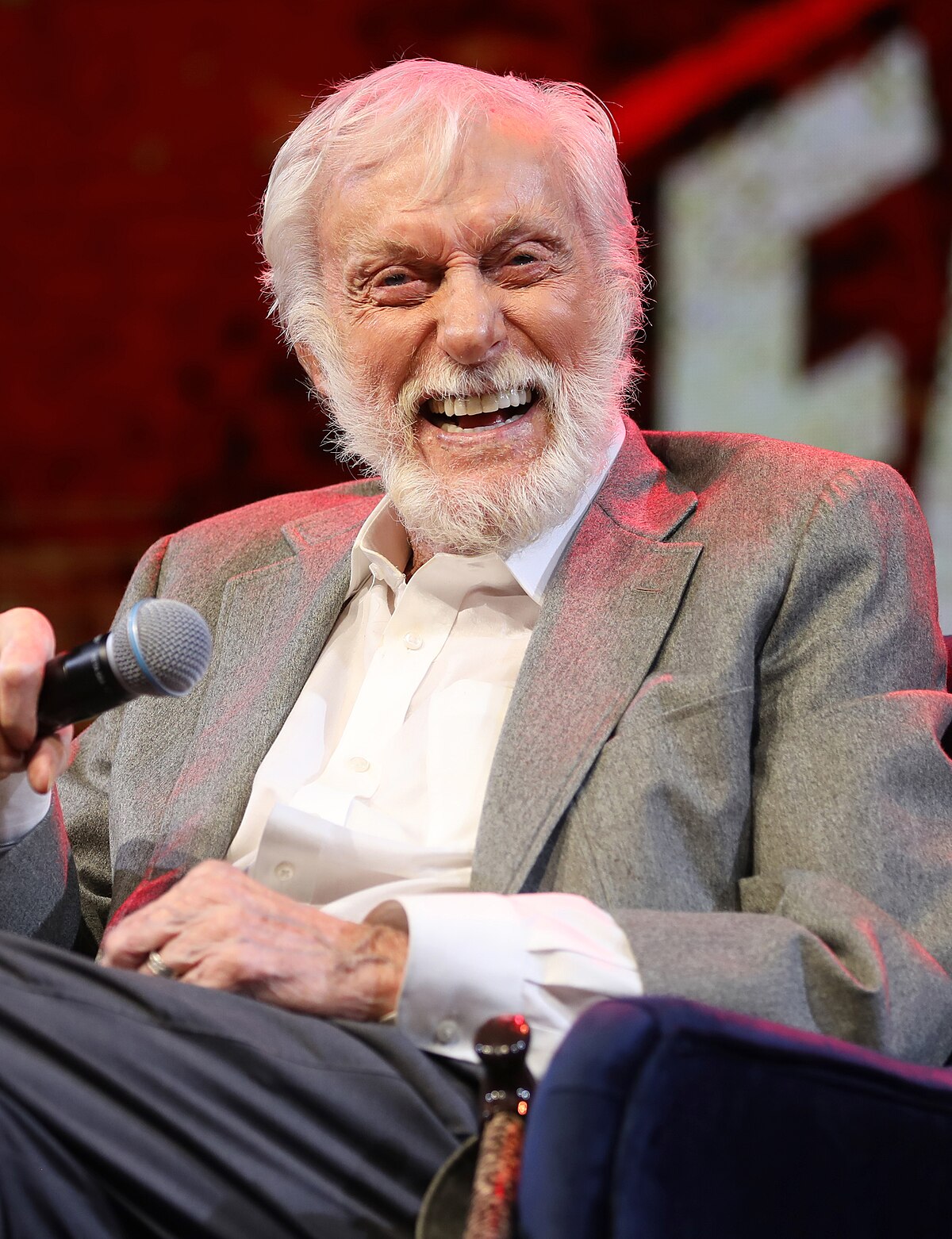
Dick Van Dyke is a name synonymous with American entertainment, especially in the realms of television and film. With a career spanning over seven decades, Van Dyke has become a cultural icon, known for his versatility as an actor, singer, dancer, and comedian. His work has left an indelible mark on the entertainment industry, influencing generations of performers.
Early Life and Beginnings
Born Richard Wayne Van Dyke on December 13, 1925, in West Plains, Missouri, Dick Van Dyke’s early years were spent in the small town of Danville, Illinois. Raised in a modest household, Van Dyke’s interest in performing arts was evident from a young age. He often entertained his friends and family with his quick wit and charming personality, setting the stage for a future in show business.
During World War II, Van Dyke served in the United States Army Air Forces as a radio announcer and entertainer. His time in the military allowed him to hone his skills and provided a platform to showcase his talents. After the war, Van Dyke pursued a career in radio and theater, where his natural charisma and talent quickly caught the attention of industry professionals.
Breakthrough on Broadway
Van Dyke’s big break came in 1960 when he was cast as the lead in the Broadway musical “Bye Bye Birdie.” The show was a massive success, earning him a Tony Award for Best Featured Actor in a Musical. His performance in “Bye Bye Birdie” showcased his ability to combine humor, song, and dance—a trifecta that would become his signature style.
This success on Broadway led to his first major film role in the 1963 movie adaptation of “Bye Bye Birdie,” further establishing him as a rising star in the entertainment industry.
The Dick Van Dyke Show: A Television Icon
In 1961, Van Dyke landed the role that would define his career: Rob Petrie in “The Dick Van Dyke Show.” Created by Carl Reiner, the show was a critical and commercial success, running for five seasons from 1961 to 1966. “The Dick Van Dyke Show” was revolutionary for its time, blending situational comedy with sharp writing and memorable performances. Van Dyke’s portrayal of Rob Petrie, a television writer balancing work and family life, resonated with audiences and earned him several Emmy Awards.
The show’s success cemented Van Dyke’s status as a television icon. His comedic timing, physical humor, and on-screen chemistry with co-star Mary Tyler Moore made the show one of the most beloved sitcoms in television history. The influence of “The Dick Van Dyke Show” can still be seen in modern sitcoms, with many considering it a blueprint for the genre.
Mary Poppins and Film Stardom
While “The Dick Van Dyke Show” made him a household name, Van Dyke’s role as Bert in the 1964 Disney classic “Mary Poppins” catapulted him to international stardom. His portrayal of the lovable chimney sweep, complete with a questionable Cockney accent, became one of his most iconic roles. The film, which starred Julie Andrews as Mary Poppins, was a critical and commercial success, earning five Academy Awards and becoming one of the most beloved family films of all time.
Van Dyke’s performance in “Mary Poppins” showcased his versatility as a performer. He sang, danced, and brought a unique energy to the role that captivated audiences of all ages. His rendition of “Chim Chim Cher-ee” became a classic, and his dance sequences, particularly the rooftop scene with the chimney sweeps, are still celebrated today.
Continued Success and Struggles
The success of “Mary Poppins” led to more film roles for Van Dyke, including the 1968 musical “Chitty Chitty Bang Bang,” where he played the eccentric inventor Caractacus Potts. Although the film did not achieve the same level of success as “Mary Poppins,” it has since become a cult classic, with Van Dyke’s performance being a highlight.
Despite his success, Van Dyke faced personal struggles during the 1970s. He battled alcoholism, a challenge he openly discussed later in his life. In 1974, he starred in the film “The Morning After,” playing an alcoholic businessman—a role that mirrored his own struggles. This marked his first serious dramatic role, showcasing his range as an actor.
Van Dyke’s battle with alcoholism and his journey to recovery became a significant part of his life story. He has since been an advocate for addiction recovery, using his platform to raise awareness and support others facing similar challenges.
Return to Television and Later Career
In the 1980s and 1990s, Van Dyke continued to work in television, appearing in various shows and made-for-TV movies. He reprised his role as Rob Petrie in several television specials, reuniting with the cast of “The Dick Van Dyke Show” to the delight of fans.
In 1993, Van Dyke returned to television in the hit series “Diagnosis: Murder,” where he played Dr. Mark Sloan, a medical doctor who solves crimes. The show, which also starred his son Barry Van Dyke, ran for eight seasons and was another success in Van Dyke’s illustrious career. His portrayal of Dr. Sloan endeared him to a new generation of viewers, proving that his appeal transcended generations.
In 2006, at the age of 80, Van Dyke starred in the film “Night at the Museum,” playing the role of Cecil, a retired security guard. The film was a commercial success, introducing Van Dyke to yet another generation of moviegoers.
Legacy and Recent Work
Van Dyke’s legacy in the entertainment industry is undeniable. He has received numerous awards and honors throughout his career, including a Screen Actors Guild Life Achievement Award and a Kennedy Center Honor. In 2013, he was awarded a Grammy for Best Spoken Word Album for his memoir, “My Lucky Life In and Out of Show Business.”
In 2018, Van Dyke returned to the big screen in the sequel to “Mary Poppins,” titled “Mary Poppins Returns.” He played the role of Mr. Dawes Jr., the son of the bank president he portrayed in the original film. His appearance in the film was a nostalgic moment for fans, highlighting his enduring presence in Hollywood.
Van Dyke has also remained active in philanthropy, supporting various causes, including children’s health and literacy programs. His commitment to giving back to the community has further solidified his reputation as not only a talented performer but also a generous and compassionate individual.
Personal Life and Age
As of 2024, Dick Van Dyke is 98 years old, making him one of the oldest living legends in Hollywood. Despite his age, he remains active and continues to inspire fans with his positivity and zest for life. Van Dyke married his first wife, Margie Willett, in 1948, and the couple had four children before divorcing in 1984. In 2012, he married Arlene Silver, a makeup artist 46 years his junior, demonstrating that age is just a number when it comes to love.
Van Dyke has often attributed his longevity to his love of dancing, a positive outlook on life, and a commitment to staying active. He is known for his daily exercise routine, which includes stretching, strength training, and, of course, dancing.
Conclusion: A Timeless Entertainer
Dick Van Dyke’s impact on the entertainment industry is immeasurable. From his early days on Broadway to his iconic television roles and unforgettable film performances, he has entertained millions of people around the world. His ability to adapt to changing times while maintaining his unique charm and talent has made him a beloved figure across generations.
As he continues to live his life with the same energy and enthusiasm that has defined his career, Dick Van Dyke remains a testament to the power of positivity, resilience, and the enduring appeal of timeless talent. Whether on stage, screen, or in his personal life, Van Dyke’s legacy will continue to inspire and entertain for years to come.


