
Introduction
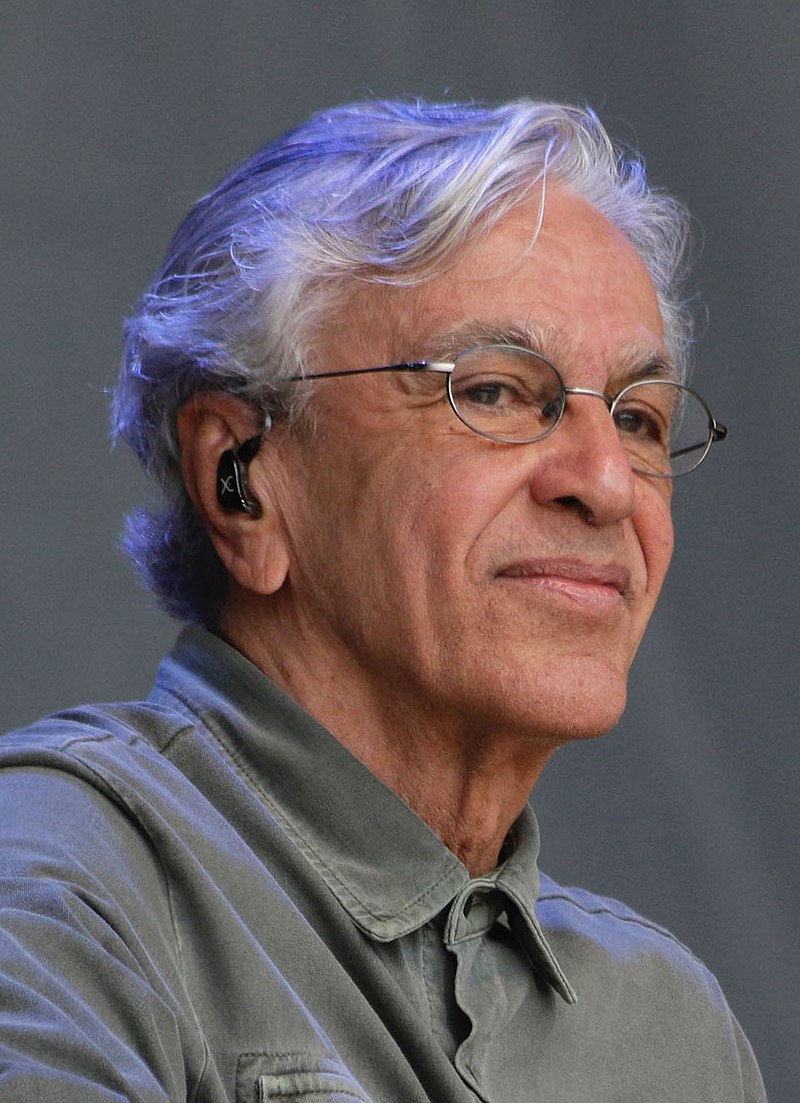
Caetano Veloso, born on August 7, 1942, in Santo Amaro da Purificação, Bahia, Brazil, is a towering figure in global music, often regarded as one of the most influential and innovative artists of the 20th century. His work spans several decades, genres, and mediums, making him a central figure in the Brazilian cultural landscape. Veloso is best known for his role in the development of Tropicalismo, a revolutionary artistic movement that blended traditional Brazilian music with global influences. This article delves into the life, career, and enduring impact of Caetano Veloso, offering a detailed exploration of his artistic journey, cultural significance, and the historical context that shaped his music.
Early Life and Musical Influences
Caetano Veloso was born into a modest family in Bahia, Brazil. Despite financial challenges, his family was not destitute, and they valued education and cultural enrichment. From an early age, Veloso exhibited a rebellious spirit, questioning societal norms and seeking refuge in the arts. His early influences included a wide array of cultural forms, from the neorealism of Italian cinema, with directors like Federico Fellini, to the bossa nova sounds of João Gilberto. These early exposures played a significant role in shaping Veloso’s artistic sensibilities.
One of the pivotal moments in Veloso’s early life was his exposure to bossa nova, a genre that would become a catalyst for his musical revolution. The bossa nova movement, with its smooth rhythms and sophisticated harmonies, resonated with the young Veloso, particularly the work of João Gilberto. This genre, which blended samba with jazz, offered Veloso a new language through which to express his emerging ideas about music and culture.
The Birth of Tropicalismo
The 1960s were a period of intense social and political upheaval around the world, and Brazil was no exception. As a young man, Veloso was deeply influenced by the revolutionary spirit of the time, particularly the student movements that swept across the globe in 1968. These movements, characterized by their rejection of established norms and their demand for radical change, found an echo in Veloso’s own burgeoning artistic philosophy.
Together with a group of like-minded artists, including Gilberto Gil, Veloso became a central figure in the Tropicalismo movement. This movement was a radical departure from traditional Brazilian music, incorporating elements of rock, psychedelia, and avant-garde art. It was as much a political statement as it was a musical one, challenging the dictatorship that ruled Brazil at the time.
Tropicalismo was not merely a musical genre; it was an artistic and cultural revolution. It sought to break down the barriers between different forms of art, blending music with cinema, literature, and visual arts. Veloso’s work during this period was characterized by its eclecticism and its refusal to be confined by traditional genre boundaries. His song “Alegria, Alegria” became an anthem of the movement, symbolizing the fusion of traditional Brazilian music with international pop culture.
Confronting the Brazilian Dictatorship
Caetano Veloso’s involvement in Tropicalismo inevitably brought him into conflict with Brazil’s military dictatorship. The government, threatened by the movement’s radical ideas and its widespread popularity, responded with censorship and repression. In 1969, Veloso, along with Gilberto Gil, was arrested and eventually exiled to England. This period of exile was a turning point in Veloso’s life and career, deeply affecting his music and his worldview.
During his time in England, Veloso continued to create music, but it was infused with a deep sense of saudade, a Portuguese word that captures a complex mix of longing, melancholy, and nostalgia. His albums from this period, including “Caetano Veloso” (1969) and “Transa” (1972), reflect this emotional state, blending Brazilian rhythms with the influences of British rock and roll. These works are often seen as some of his most introspective and innovative.
The experience of exile also deepened Veloso’s understanding of the global nature of oppression and the struggles for freedom. His music from this period is marked by a sense of solidarity with oppressed peoples everywhere, and it expresses a yearning for a return to his homeland, not just physically, but also culturally and spiritually.
Return to Brazil and Continued Innovation
Veloso’s return to Brazil in 1972 was marked by a triumphant sense of renewal. He was welcomed back as a hero by many, and his return signaled a new phase in his career. His music, while still rooted in the ideals of Tropicalismo, began to explore new themes and sounds. One of his most celebrated works from this period is the song “Um Índio,” which is an anthem for the liberation of oppressed peoples. This song, like much of his work, blends the personal with the political, reflecting Veloso’s deep commitment to social justice.
Throughout the 1970s and 1980s, Veloso continued to push the boundaries of Brazilian music. Albums like “Muito” (1978), “Cinema Transcendental” (1979), and “Cores, Nomes” (1982) demonstrated his ability to innovate while remaining deeply connected to his roots. His music from this period is characterized by its rich lyrical content, its complex rhythms, and its blending of traditional and modern elements.
Literary Contributions: “Tropical Truth”
In addition to his music, Caetano Veloso is also a respected writer. His book “Verdade Tropical” (“Tropical Truth”), published in 1997, is part memoir, part cultural critique. In this work, Veloso reflects on his life, his music, and the cultural and political landscape of Brazil. The book is not only an intimate look at Veloso’s personal journey but also a powerful commentary on the forces that shaped Brazilian society in the latter half of the 20th century.
“Tropical Truth” has been praised for its candidness and its insightful analysis of the intersection between culture and politics. Veloso does not shy away from discussing the darker aspects of his country’s history, including the impact of the military dictatorship and the ongoing struggles for racial and social equality. The book also provides valuable insights into the creative process behind some of Veloso’s most famous works, offering readers a deeper understanding of his artistic vision.
Cultural Impact and Legacy
Caetano Veloso’s influence on Brazilian music and culture cannot be overstated. He is often compared to figures like Bob Dylan or John Lennon, artists who used their music as a vehicle for social change. Veloso’s work has not only shaped the course of Brazilian music but has also had a profound impact on global pop culture. His ability to blend different genres and to infuse his music with a deep sense of place and history has made him a beloved figure worldwide.
Veloso’s legacy is also evident in the many artists he has inspired. His willingness to experiment with different sounds and to challenge conventional wisdom has paved the way for subsequent generations of musicians. Artists from a wide range of genres, from samba to hip-hop, have cited Veloso as an influence, and his music continues to be celebrated for its innovation and its emotional depth.
Later Career and Ongoing Influence
In the decades since his return to Brazil, Caetano Veloso has continued to evolve as an artist. He has released numerous albums, each exploring new themes and sounds. In the 1990s and 2000s, his work often reflected a more introspective and personal perspective, while still engaging with broader social and political issues.
Albums like “Fina Estampa” (1994), which explored the music of Latin America, and “Noites do Norte” (2000), which dealt with the legacy of slavery in Brazil, demonstrated Veloso’s continued commitment to using his music as a tool for cultural exploration and social commentary. His work during this period has been praised for its lyrical beauty and its ability to connect deeply with listeners.
In recent years, Veloso has remained active in both the music and political spheres. He continues to perform and record, and his concerts are celebrated for their intimacy and their ability to create a sense of community among audiences. Veloso’s voice, both literal and metaphorical, remains a powerful force in Brazilian culture, advocating for justice, equality, and the transformative power of art.
Conclusion
Caetano Veloso’s life and career are a testament to the power of music to inspire change, to break down barriers, and to bring people together. From his early days in Bahia to his role as a global cultural icon, Veloso has consistently used his art to challenge the status quo and to advocate for a more just and equitable world.
As we look back on Veloso’s remarkable career, it is clear that his influence will continue to be felt for generations to come. His music, rich with the sounds of Brazil and infused with a deep sense of humanity, will continue to inspire and to move listeners around the world. In a world that is often divided, Caetano Veloso’s work reminds us of the power of art to unite us, to heal us, and to help us imagine a better future.


