
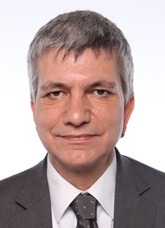
Introduction:
Nichi Vendola is a name that resonates within Italian politics, known for his unique blend of left-wing ideology, environmental advocacy, and progressive social values. Born Nicola Vendola on August 26, 1958, in Bari, Italy, he rose to prominence as a journalist, politician, and the first openly gay governor in Italy. Vendola’s career spans several decades, during which he became a pivotal figure in the Italian left, shaping the political landscape with his distinctive approach to governance and activism. This article delves into the life, achievements, and legacy of Nichi Vendola, exploring his journey from a young communist activist to a prominent political leader.
Early Life and Political Awakening:
Nichi Vendola was born into a family that combined elements of both the Catholic faith and communist ideology, a blend that would later define his political and social beliefs. Growing up in the small town of Terlizzi, near Bari, Vendola was deeply influenced by the social and political environment of his upbringing. His father, a committed communist, introduced him to the struggles of the working class, particularly the plight of agricultural laborers in the region.
Vendola’s early education was marked by a strong interest in literature and philosophy. He attended a scientific high school, where he excelled academically while working part-time jobs, including as a waiter and a bookseller, to support himself. These formative years were critical in shaping his worldview, leading him to join the Italian Communist Youth Federation (FGCI) in 1972, at the young age of 14. His involvement in the FGCI marked the beginning of his lifelong commitment to leftist politics.
Academic Pursuits and Early Career:
After completing high school, Nichi Vendola enrolled at the University of Bari, where he pursued a degree in Literature and Philosophy. During his university years, he continued to deepen his engagement with political activism, while also working as a proofreader for a local publishing house, De Donato Editore. His academic thesis focused on Pier Paolo Pasolini, the renowned Italian filmmaker, writer, and intellectual, whose works on social and cultural issues left a lasting impact on Vendola.
Vendola’s passion for journalism began to flourish during this period. He contributed to several left-wing publications, including the communist newspaper L’Unità and the magazine Rinascita. His writing often addressed issues related to social justice, human rights, and the environment, themes that would later become central to his political platform.
Entry into National Politics:
In 1985, Nichi Vendola’s political career took a significant leap forward when he was invited by Pietro Folena, the then-secretary of the FGCI, to join the national secretariat of the organization. This position marked his entry into the higher echelons of Italian politics, where he quickly gained recognition for his intellectual rigor and charismatic leadership.
However, Vendola’s rise within the Communist Party was not without its challenges. In 1990, he was appointed to the central committee of the Italian Communist Party (PCI), a position that brought him into the heart of the party’s decision-making process. It was during this time that Vendola publicly declared his homosexuality, a bold move in the conservative political climate of Italy at the time. His openness about his sexuality, combined with his devout Catholic faith, made him a unique figure within the party and in the broader Italian political landscape.
Formation of Rifondazione Comunista:
The early 1990s were a period of significant political upheaval in Italy, marked by the dissolution of the Italian Communist Party and the subsequent formation of new political entities. In 1991, Nichi Vendola found himself at odds with the party’s leadership, particularly over the “Bolognina turn,” which marked the PCI’s transition into the Democratic Party of the Left (PDS). Unwilling to abandon the core principles of communism, Vendola, along with Armando Cossutta, co-founded the Communist Refoundation Party (Rifondazione Comunista) in 1991.
Rifondazione Comunista aimed to preserve the ideological legacy of the Italian Communist Party while adapting to the changing political landscape. Vendola’s involvement in the party solidified his reputation as a staunch advocate for social justice, workers’ rights, and environmental sustainability. His political activities during this time also included promoting LGBTQ+ rights and combating the HIV/AIDS epidemic, reflecting his commitment to marginalized communities.
Parliamentary Career and Anti-Mafia Work:
Nichi Vendola’s parliamentary career began in earnest in 1992 when he was first elected to the Italian Chamber of Deputies as a member of Rifondazione Comunista. His tenure in parliament was marked by his participation in several key committees, including the Education and Justice Committees. Vendola’s legislative work focused on issues such as education reform, environmental protection, and civil rights.
One of the most notable aspects of Vendola’s parliamentary career was his involvement in the Anti-Mafia Commission. In 1996, he was appointed Vice President of the commission, a role that placed him at the forefront of Italy’s fight against organized crime. Vendola’s work on the commission was widely praised for its thoroughness and dedication, as he sought to expose and dismantle the networks of corruption that plagued Italian society.
Governor of Puglia and the “Pugliese Spring”:
Nichi Vendola’s most significant political achievement came in 2005 when he was elected Governor of Puglia, a region in southern Italy. His victory in the regional elections was historic, as he became the first openly gay person to be elected governor in Italy. Vendola’s campaign was built on a platform of social inclusion, environmental sustainability, and economic development, resonating with a broad spectrum of voters.
Vendola’s tenure as Governor of Puglia, which lasted from 2005 to 2015, is often referred to as the “Pugliese Spring.” His administration implemented a series of progressive policies aimed at revitalizing the region’s economy and improving the quality of life for its residents. Among his most notable initiatives were the promotion of renewable energy, particularly wind and solar power, which positioned Puglia as a leader in sustainable energy production not just in Italy but across Europe.
In addition to his environmental policies, Vendola focused on cultural development, establishing institutions such as the Apulia Film Commission, which supported the production of films in the region, and Puglia Sounds, an initiative aimed at boosting the local music industry. His administration also invested heavily in education and youth programs, seeking to address the brain drain that had long afflicted southern Italy by encouraging young people to stay and contribute to the region’s development.
Challenges and Controversies:
Despite his many successes, Nichi Vendola’s time as governor was not without controversy. In 2009, his administration was rocked by a scandal involving the regional healthcare system. The scandal led to the resignation of several high-ranking officials, including the regional health commissioner, and cast a shadow over Vendola’s otherwise progressive legacy. While he was not personally implicated in the scandal, the political fallout was significant, and Vendola faced criticism for his handling of the crisis.
Nonetheless, Vendola’s popularity remained strong, and in 2010, he was re-elected as Governor of Puglia with a decisive majority. His second term was marked by a continued focus on social and environmental issues, although the healthcare scandal continued to be a point of contention.
Formation of Sinistra Ecologia Libertà (SEL):
In 2009, following his departure from Rifondazione Comunista, Nichi Vendola founded a new political party, Sinistra Ecologia Libertà (Left Ecology Freedom, SEL). SEL aimed to bring together various strands of the Italian left, including environmentalists, socialists, and progressives, under a unified banner. The party’s platform emphasized social justice, environmental protection, and civil rights, reflecting Vendola’s long-standing commitments.
Under Vendola’s leadership, SEL gained traction in Italian politics, particularly among younger voters and those disillusioned with the traditional leftist parties. The party’s emphasis on grassroots activism and participatory democracy resonated with many, and SEL played a significant role in shaping the political discourse in Italy during the early 2010s.
Legacy and Impact:
Nichi Vendola’s legacy is one of a politician who consistently challenged the status quo and sought to redefine what it meant to be a leftist in contemporary Italy. His commitment to environmental sustainability, social inclusion, and civil rights set him apart from many of his contemporaries, and his tenure as Governor of Puglia is often cited as a model of progressive governance.
Vendola’s openness about his sexuality, coupled with his Catholic faith, made him a symbol of the evolving social landscape in Italy, where issues of identity and inclusion were becoming increasingly prominent. His ability to navigate these complex intersections of personal and political life garnered him both admiration and criticism, but ultimately solidified his place as one of the most influential figures in modern Italian politics.
Conclusion:
Nichi Vendola’s journey from a small town in southern Italy to the heights of national politics is a testament to his determination, intellect, and unwavering commitment to his principles. As a journalist, activist, and politician, Vendola has left an indelible mark on Italy’s political landscape, championing causes that have reshaped the country’s approach to governance, social justice, and environmental policy.
In a political career marked by both triumphs and challenges, Vendola has remained a steadfast advocate for the marginalized and a proponent of progressive change. His work in Puglia, particularly in the areas of renewable energy and cultural development, continues to serve as an inspiration for those seeking to build a more equitable and sustainable future.
As Italy continues to grapple with the challenges of the 21st century, the legacy of Nichi Vendola will undoubtedly continue to influence the country’s political and social discourse. His vision of a society rooted in equality, sustainability, and justice remains as relevant today as it was during his years in office, offering a blueprint for the next generation of leaders who seek to build a better world.


