
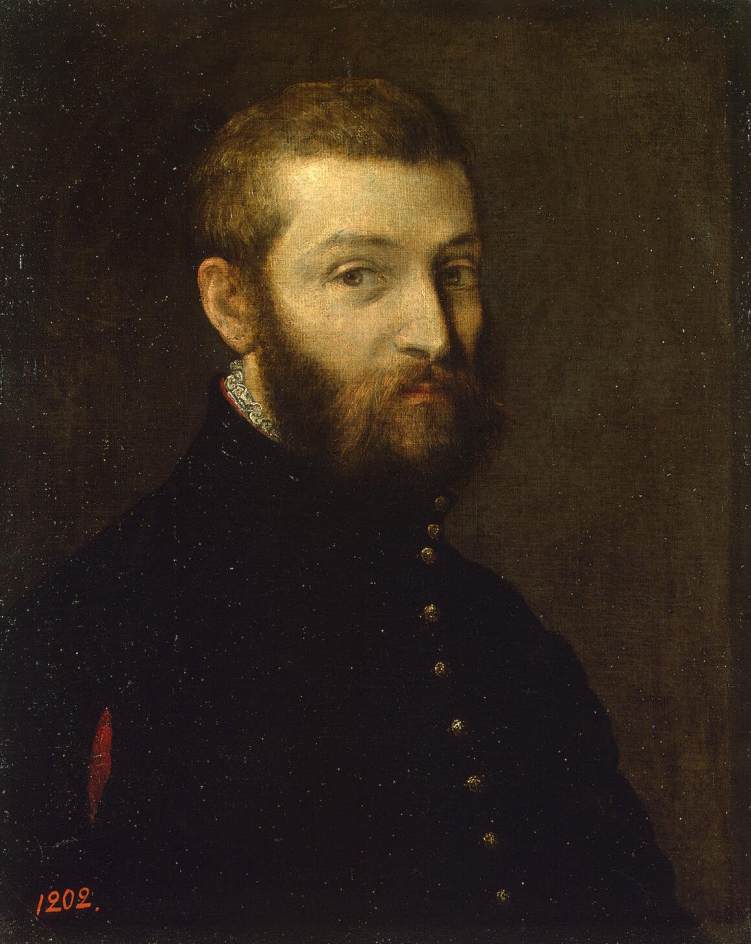
Paolo Veronese, born Paolo Caliari in 1528 in Verona, Italy, stands as one of the most influential painters of the Venetian Renaissance. Renowned for his grandiose compositions, rich color palettes, and intricate depictions of biblical and mythological scenes, Veronese’s work is celebrated for its combination of technical skill and vivid storytelling. This article delves into the life, fame, and artistic legacy of Paolo Veronese, exploring his contributions to art history, the cultural context of his time, and the enduring impact of his masterpieces.
Early Life and Training
Paolo Veronese was born into an artistic environment in Verona, a city known for its rich cultural heritage. His father, a stonecutter, likely exposed him to the principles of craftsmanship and art from an early age. Veronese’s formal training began in 1541 when he entered the workshop of Antonio Badile, a respected painter in Verona. Although some historical accounts, such as those by Giorgio Vasari, suggest that Veronese may have also studied under Giovanni Caroto, it is generally accepted that Badile played a crucial role in shaping Veronese’s early artistic development.
The Emergence of a Unique Style
Veronese’s first significant work, the “Pala Bevilacqua-Lazise” completed in 1548, marked the beginning of his illustrious career. This piece, which was a commission for the Church of San Fermo in Verona, exhibited the young artist’s burgeoning talent. The painting’s mannerist approach, characterized by a sophisticated use of light and color, set Veronese apart from his contemporaries. His ability to juxtapose color zones while maintaining a harmonious composition hinted at the style that would later define his most famous works.
The Move to Venice: A Turning Point
In 1551, Paolo Veronese moved to Venice, a city that would become the focal point of his career and artistic output. Venice in the mid-16th century was a thriving hub of commerce, culture, and artistic innovation, attracting artists from across Italy. The city’s rich patronage system and its vibrant artistic community provided Veronese with the opportunities he needed to refine his style and establish his reputation.
One of his early projects in Venice involved frescoes in the Sala del Consiglio dei Dieci in the Doge’s Palace. This work was followed by the “Pala Giustiniani,” a significant altarpiece for the Church of San Francesco della Vigna. These commissions helped Veronese gain recognition among the Venetian elite, setting the stage for the major works that would define his legacy.
Major Works and Artistic Achievements
Paolo Veronese’s career is marked by a series of monumental works that exemplify his mastery of composition, color, and narrative. Among his most celebrated paintings are “The Wedding at Cana,” “The Feast in the House of Levi,” and “The Martyrdom of Saint George.” These works are not only technically impressive but also rich in symbolism and detail, reflecting Veronese’s ability to convey complex stories through his art.
The Wedding at Cana
“The Wedding at Cana,” painted in 1563 for the refectory of the Monastery of San Giorgio Maggiore in Venice, is arguably Veronese’s most famous work. This enormous canvas, measuring approximately 22 by 32 feet, depicts the biblical story of Christ’s first miracle—turning water into wine during a wedding feast. The painting is a visual feast in itself, with over 130 figures, including musicians, servants, and guests, all captured in vibrant, lifelike detail.
Veronese’s use of color in “The Wedding at Cana” is particularly noteworthy. The composition is dominated by rich hues of red, blue, and gold, which draw the viewer’s eye across the scene. The painting’s scale, complexity, and the artist’s attention to detail have made it a masterpiece of Renaissance art, demonstrating Veronese’s ability to work on a grand scale without sacrificing the intimacy of individual moments within the scene.
The Feast in the House of Levi
Originally commissioned as a depiction of the Last Supper, “The Feast in the House of Levi” (1573) is another of Veronese’s grand compositions. The painting was created for the refectory of the Basilica di Santi Giovanni e Paolo in Venice. However, its initial subject matter led to controversy. The Catholic Church, through the Inquisition, found the inclusion of what they deemed inappropriate elements—such as dwarfs, buffoons, and German soldiers—unsuitable for a sacred depiction of the Last Supper.
In response to the Church’s objections, Veronese simply changed the title of the painting to “The Feast in the House of Levi,” thus recontextualizing the scene as a different biblical banquet. This incident highlights Veronese’s flexibility and his ability to navigate the complex relationship between art and religious authority during the Renaissance.
Artistic Style and Technique
Veronese’s style is characterized by his brilliant use of color, his skillful handling of light, and his ability to create dynamic compositions filled with figures in motion. His works often feature grand architectural settings, which serve as backdrops for his multi-figured narratives. These settings, inspired by classical architecture, add a sense of grandeur and drama to his paintings.
One of Veronese’s signature techniques was his use of perspective to create depth and draw viewers into the scene. He frequently employed a “scenographic” approach, where the arrangement of figures and architectural elements is akin to a stage set, inviting the viewer to imagine themselves as part of the unfolding drama.
Veronese was also known for his ability to integrate portraiture into his large-scale compositions. Many of the figures in his paintings are believed to be likenesses of his contemporaries, including patrons, friends, and even himself. This blending of historical and contemporary elements gives his works a unique, timeless quality.
Personal Life and Legacy
Paolo Veronese married Elena Badile in 1566, the daughter of his early mentor, Antonio Badile. The couple had five children, and Veronese’s family life was closely intertwined with his artistic endeavors. His sons later joined him in his workshop, continuing the family tradition of painting.
Veronese’s influence extended far beyond his lifetime. He was one of the key figures of the Venetian School of painting, alongside Titian and Tintoretto. Together, these artists shaped the development of Western art, particularly through their contributions to the use of color and the representation of light.
Historical Context: The Venetian Renaissance
To fully appreciate Paolo Veronese’s work, it is essential to understand the broader context of the Venetian Renaissance. During the 16th century, Venice was a powerful and wealthy city-state, known for its strategic location as a trade hub between East and West. This wealth fueled a flourishing of the arts, as wealthy patrons commissioned works to decorate churches, palaces, and public buildings.
The Venetian School of painting, of which Veronese was a central figure, is characterized by its emphasis on color and light. Unlike the Florentine Renaissance, which focused more on line and form, Venetian artists were pioneers in the use of oil paints to create rich, luminous surfaces. This approach allowed them to explore new possibilities in the depiction of textures, materials, and atmospheric effects.
Veronese’s work reflects the values and aspirations of Venetian society during this period. His grand, opulent compositions often celebrate the wealth, power, and sophistication of Venice, while also serving as meditations on biblical and classical themes.
The Enduring Influence of Paolo Veronese
Paolo Veronese’s work has had a lasting impact on the history of art. His innovations in color, composition, and narrative have influenced countless artists, from his contemporaries to modern painters. His ability to blend the sacred with the secular, the monumental with the intimate, continues to inspire artists and art lovers alike.
In the centuries following his death in 1588, Veronese’s reputation has only grown. His works are held in some of the world’s most prestigious collections, including the Louvre in Paris, the National Gallery in London, and the Gallerie dell’Accademia in Venice. Each of these institutions preserves and displays Veronese’s masterpieces, ensuring that his legacy remains alive for future generations.
Conclusion: The Legacy of a Renaissance Master
Paolo Veronese’s life and work epitomize the grandeur and innovation of the Venetian Renaissance. His contributions to art history are immeasurable, as he helped to define the visual language of his time while also pushing the boundaries of what painting could achieve. Veronese’s ability to capture the beauty, drama, and complexity of the human experience in his work has ensured his place among the great masters of the Renaissance.
Today, Paolo Veronese is remembered not only for his technical skill and artistic vision but also for the cultural richness he brought to the world of art. His paintings continue to captivate audiences with their vibrant colors, dynamic compositions, and intricate details, serving as a testament to the enduring power of art to inspire and uplift.


