
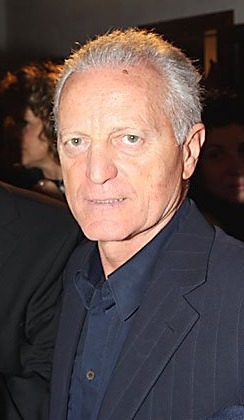
Santo Versace, born on January 2, 1945, in Reggio Calabria, Italy, is an iconic figure in the fashion industry, best known as the elder brother of the legendary Gianni Versace. Over the decades, Santo has played a pivotal role in the growth and global expansion of the Versace brand, while also making his mark in politics and business. This article delves into his life, career, and the significant milestones that have defined his journey.
Early Life and Background
Santo Versace was born into a family with humble beginnings in Reggio Calabria, a region in southern Italy. His mother, Francesca, was a seamstress, and his father, Antonio, was a coal merchant who dealt in both retail and wholesale. Growing up in post-war Italy, Santo was surrounded by the economic challenges of the time, which instilled in him a strong work ethic and a drive to succeed.
From a young age, Santo exhibited a passion for sports, particularly basketball. He played for the local team, Viola Reggio Calabria, a testament to his competitive spirit. This early involvement in sports would later influence his approach to business, where teamwork, strategy, and discipline became key components of his management style.
Santo’s academic journey led him to the University of Messina, where he pursued a degree in Economics and Commerce. His time at the university was marked by a deep involvement in politics, particularly with the Italian Socialist Party. In 1968, a year of significant political and social upheaval worldwide, Santo graduated and shortly after began his professional career in banking. However, his stint in banking was brief, lasting only six months, as he soon realized that his true calling lay elsewhere.
Early Career and Entrepreneurial Ventures
After fulfilling his military service as a cavalry officer, Santo returned to Reggio Calabria and began working as a teacher of economic geography in high schools. This role, however, was just a stepping stone in his broader career aspirations. He soon opened his own accounting firm, where he began to gain practical experience in business management and finance.
During this period, Santo’s younger brother, Gianni Versace, was making waves in the fashion world. Gianni had opened a boutique in Reggio Calabria, right next to their mother’s tailoring shop. Recognizing Gianni’s immense talent and the potential for growth in the fashion industry, Santo began helping his brother with the business side of his budding fashion empire. It was Santo who managed Gianni’s first contracts, allowing him to focus on his creative endeavors. One of their early successes was the creation of the “Florentine Flowers” collection, which helped establish Gianni Versace as a designer to watch.
Rise to Prominence in the Fashion Industry
In 1976, the Versace brothers moved to Milan, the epicenter of Italian fashion. Here, they officially established Gianni Versace S.p.A., with Santo taking on the role of president. This move marked the beginning of a new era for the Versace brand, as they transitioned from a small boutique operation to a global fashion powerhouse.
Santo’s business acumen was crucial in navigating the complex world of high fashion. He was responsible for the operational and financial management of the company, allowing Gianni to concentrate on his innovative designs. Under Santo’s leadership, the Versace brand expanded rapidly, opening flagship stores in major cities around the world and diversifying into various product lines, including accessories, fragrances, and home furnishings.
However, the journey was not without its challenges. In July 1997, the Versace family was struck by tragedy when Gianni Versace was assassinated in Miami, Florida. Gianni’s death was a devastating blow, not only to the family but also to the fashion industry at large. Despite the immense personal loss, Santo took on the responsibility of leading the Versace brand through this difficult period. His ability to maintain the brand’s prestige and continue its growth during such a tumultuous time is a testament to his resilience and leadership.
Political Career and Contributions
Beyond the fashion world, Santo Versace has also made significant contributions to Italian politics. In 1998, he became a shareholder of Viola Reggio Calabria, the basketball team he had once played for, reflecting his ongoing passion for the sport. Around the same time, he served as the president of the National Chamber of Italian Fashion, a position he held until October 1999. This role allowed him to influence the broader Italian fashion industry, advocating for the interests of designers and manufacturers across the country.
In 2008, Santo’s political career took a more formal turn when he was elected to the Italian Chamber of Deputies as a representative of Calabria. He was a candidate for the People of Freedom party, led by Silvio Berlusconi. During his time in parliament, Santo was a member of the X Commission, which focuses on productive activities, commerce, and tourism. He was an active legislator, presenting numerous proposals aimed at improving various aspects of Italian society and governance.
One of his most notable legislative efforts was the introduction of the “Reguzzoni – Versace – Calearo Law,” which focused on the commercialization of textile, leather, and footwear products. This law was designed to protect the “Made in Italy” label, ensuring that products marketed as Italian were indeed produced in Italy, thereby safeguarding the interests of Italian manufacturers and workers. This legislation had a significant impact on the fashion and textile industries, reinforcing the global reputation of Italian craftsmanship.
Santo’s commitment to ethical governance was also evident in his proposals related to the judiciary. He advocated for the separation of careers within the magistracy, residency requirements for judges, and the civil responsibility of magistrates. His legislative work demonstrated a deep commitment to improving the efficiency and transparency of the Italian legal system.
Later Years and Ongoing Legacy
In the 2010s, Santo Versace continued to be an influential figure in both fashion and politics. In 2011, he made headlines when he voted against a constitutional amendment proposed by his own party, citing concerns about its potential impact on civil rights. This decision marked a turning point in his political career, leading him to leave the People of Freedom party and join the Mixed Group in the Italian parliament. He later aligned himself with the “Alliance for Italy” party, further emphasizing his commitment to progressive and ethical governance.
In 2014, Santo was elected president of the National Assembly of the “Fare per Fermare il Declino” (Action to Stop the Decline) party, a political movement focused on economic reform and reducing public debt in Italy. His involvement in this movement underscored his dedication to addressing the structural challenges facing the Italian economy.
Santo’s personal life also saw significant developments during this period. In December 2014, he married Francesca De Stefano, a lawyer. This marriage marked a new chapter in his life, reflecting his enduring commitment to both his family and his professional endeavors.
In addition to his political and personal achievements, Santo has remained active in the business world. He continues to play a role in the management of the Versace brand, ensuring that it remains a symbol of luxury and innovation in the global fashion industry. His leadership has helped maintain the brand’s relevance in an ever-changing market, adapting to new trends while staying true to the core values that Gianni established.
Historical Context and Industry Influence
Santo Versace’s impact on the fashion industry cannot be overstated. The success of the Versace brand is not only a result of Gianni’s creative genius but also of Santo’s strategic vision and business management. The 1970s and 1980s were transformative decades for the fashion industry, characterized by the rise of luxury brands and the globalization of fashion. Santo’s ability to navigate these changes and position Versace as a leader in the industry was instrumental in the brand’s success.
Moreover, Santo’s work in politics and lawmaking reflects the broader context of Italian economic and social challenges during the late 20th and early 21st centuries. Italy has long been a leader in fashion and design, but the industry has faced significant pressures from globalization, including competition from low-cost producers in other countries. Santo’s efforts to protect the “Made in Italy” label and advocate for the rights of Italian workers have had a lasting impact on the industry.
His legislative initiatives, particularly those related to the judiciary and economic reform, also highlight the complex relationship between business, politics, and society in Italy. By focusing on transparency, accountability, and ethical governance, Santo has contributed to ongoing efforts to improve the functioning of the Italian state.
Conclusion
Santo Versace is a multifaceted figure whose life and career span the worlds of fashion, business, and politics. From his early days in Reggio Calabria to his role in building one of the most iconic fashion brands in the world, Santo’s journey is a testament to his resilience, intelligence, and dedication. His contributions to the Versace brand, his legislative work, and his ongoing influence in Italian public life make him a significant figure in contemporary history.
As the Versace brand continues to thrive, it does so on the foundation that Santo helped build. His story is one of perseverance, strategic vision, and a deep commitment to both his family and his country. Today, Santo Versace remains a respected and influential figure, whose legacy will continue to shape the fashion industry and Italian society for years to come.


