
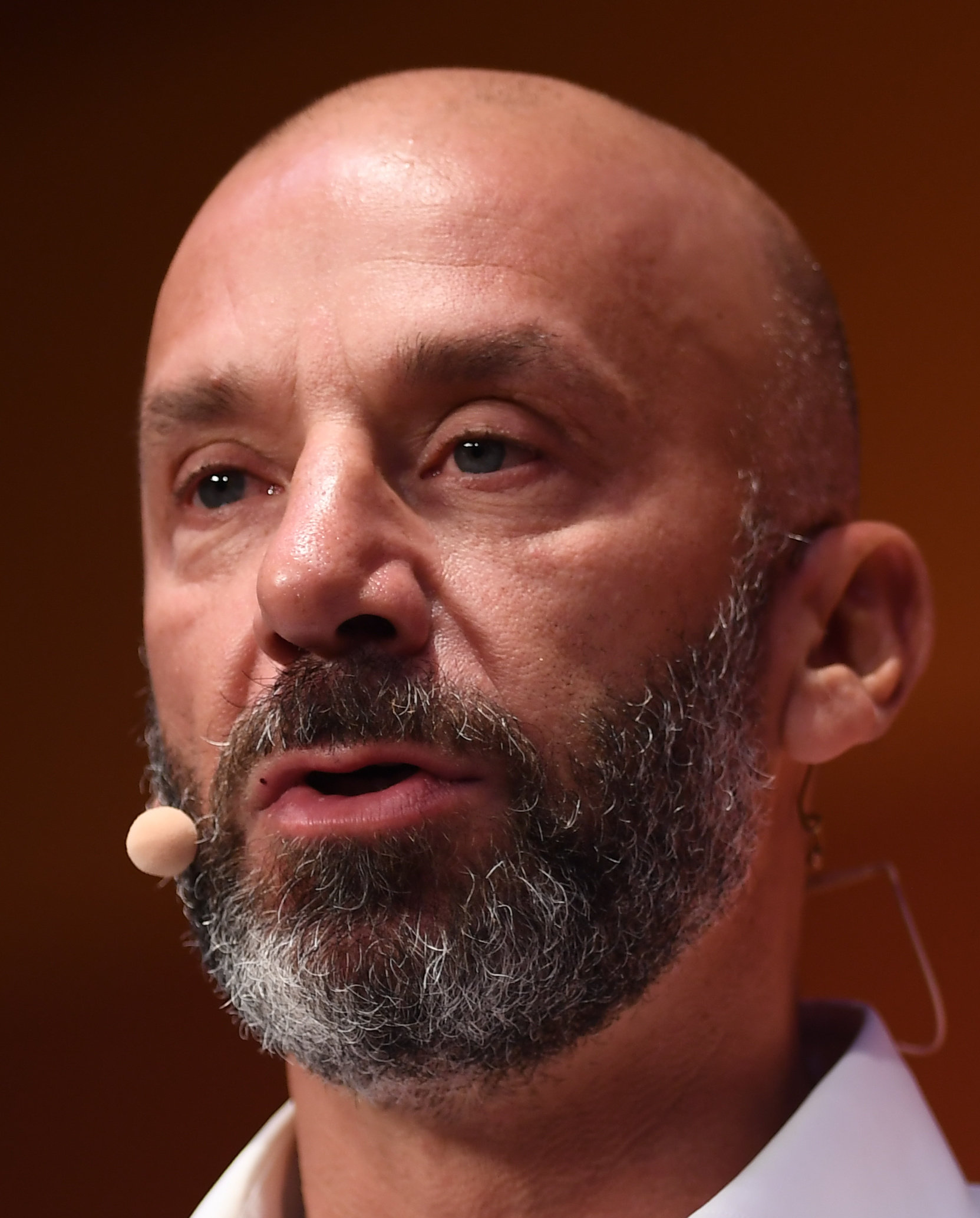
Gianluca Vialli, born on July 9, 1964, in Cremona, Italy, was more than just a footballer; he was a symbol of determination, leadership, and excellence in the world of sports. His journey from the small football pitches of Cremona to the grand stadiums of Europe encapsulates a career filled with triumphs, challenges, and unforgettable moments. This article delves deep into the life of Gianluca Vialli, exploring his age, rise to fame, and the significant highlights that have shaped his legacy. Drawing from historical contexts and the evolution of football, we aim to provide a comprehensive look at a man who was both a football icon and a source of inspiration for many.
Early Life and the Beginning of a Football Journey
Gianluca Vialli was born into a wealthy family in Cremona, where he began his football journey at the oratory of Cristo Re in his local neighborhood. His early years were marked by a passion for the sport that would soon see him rise through the ranks of youth football. Vialli’s talent was evident from a young age, and it wasn’t long before he was playing for the youth team of Pizzighettone. His skills on the pitch caught the attention of larger clubs, and he soon moved to the Primavera team of Cremonese, where his professional career would begin.
The 1980s were a period of significant transformation in European football, with Italian football, in particular, experiencing a golden age. Vialli’s early career coincided with this era, and he quickly established himself as one of Italy’s most promising talents. His versatility as a forward, combined with his technical skills and goal-scoring ability, made him a valuable asset to any team.
The Rise to Fame: Sampdoria and Juventus
Vialli’s professional career took off when he joined U.C. Sampdoria in 1984. Alongside Roberto Mancini, Vialli formed a formidable attacking partnership that would lead Sampdoria to some of its most successful years. This dynamic duo, often referred to as the “Gemelli del Gol” (Goal Twins), played a pivotal role in Sampdoria’s historic Serie A title win in the 1990-1991 season. This victory was a significant milestone in Italian football, as it marked the first and only time Sampdoria would win the Scudetto.
The early 1990s were a golden era for Sampdoria, with Vialli at the heart of the team’s success. His leadership on the pitch was instrumental in the club reaching the final of the European Cup (now UEFA Champions League) in 1992. Although Sampdoria lost to Barcelona in the final, Vialli’s performances throughout the tournament were exceptional and cemented his reputation as one of Europe’s top strikers.
In 1992, Vialli made a high-profile move to Juventus, one of Italy’s most successful and storied football clubs. At Juventus, Vialli continued to build on his legacy, helping the team win the Serie A title in the 1994-1995 season and the UEFA Champions League in 1996. His time at Juventus was marked by numerous individual accolades, as well as a reputation for being a leader both on and off the pitch.
International Success with Italy
Vialli’s success at the club level was mirrored by his contributions to the Italian national team. He made his debut for the senior team in 1985 and quickly became a key player for Italy. Vialli was part of the squad that competed in the 1986 FIFA World Cup in Mexico, although his impact in that tournament was limited. However, he would go on to play a more significant role in Italy’s success at the 1988 UEFA European Championship, where his goal against Spain helped Italy reach the semi-finals.
The 1990 FIFA World Cup, held in Italy, was expected to be Vialli’s tournament. As the star striker of the host nation, much was expected of him. However, despite Italy’s strong showing and eventual third-place finish, Vialli’s role was overshadowed by the emergence of Salvatore “Totò” Schillaci, who became the tournament’s top scorer. This was a bittersweet moment for Vialli, as the spotlight shifted away from him during what should have been his crowning moment on the international stage.
Despite this, Vialli’s contributions to the Italian national team were significant. He earned 59 caps and scored 16 goals for Italy, becoming one of the most respected figures in Italian football. His international career, however, was cut short due to disagreements with coach Arrigo Sacchi, leading to his exclusion from the squad for the 1994 FIFA World Cup in the United States.
The Move to England: Chelsea and the Dual Role
In 1996, Gianluca Vialli took a bold step in his career by moving to Chelsea F.C. in the English Premier League. At the time, English football was undergoing a renaissance, with the influx of foreign talent bringing new styles and techniques to the league. Vialli’s arrival at Chelsea marked the beginning of a new era for the club, which was looking to establish itself as a major force in English football.
Vialli quickly became a fan favorite at Chelsea, not only for his goal-scoring prowess but also for his professionalism and leadership qualities. In 1998, he was appointed player-manager of Chelsea, becoming the first Italian to manage a Premier League club. Under his leadership, Chelsea won the League Cup and the UEFA Cup Winners’ Cup in 1998, followed by the UEFA Super Cup later that year. Vialli’s impact on Chelsea was profound, and he is credited with laying the foundations for the club’s success in the following decades.
However, Vialli’s managerial career at Chelsea was not without challenges. Despite winning multiple trophies, his tenure was marked by internal conflicts with some players, including Gianfranco Zola, Didier Deschamps, and Dan Petrescu. These tensions eventually led to his dismissal in 2000, but not before he had established himself as one of the most successful managers in Chelsea’s history.
Post-Chelsea and Legacy
After leaving Chelsea, Vialli took on a managerial role at Watford F.C. in 2001. His time at Watford was less successful, and he was dismissed after just one season following a disappointing 14th-place finish in the league. This marked the end of his managerial career, but Vialli remained active in football through various roles, including as a television pundit and commentator.
Beyond football, Vialli was known for his philanthropy and dedication to charitable causes. In 2004, he co-founded the “Fondazione Vialli e Mauro per la Ricerca e lo Sport Onlus,” alongside former footballer Massimo Mauro. The foundation was established to raise funds for research into Amyotrophic Lateral Sclerosis (ALS) and cancer, reflecting Vialli’s commitment to using his platform to make a positive impact.
In 2006, Vialli had the honor of being a flag bearer at the closing ceremony of the Winter Olympics in Turin, Italy. This was a fitting tribute to a man who had not only excelled in football but had also become a respected figure in Italian society.
Battling Illness and the Final Years
Gianluca Vialli’s later years were marked by his courageous battle against pancreatic cancer. In 2018, Vialli revealed that he had been diagnosed with the disease, and he openly shared his journey with the public, offering hope and inspiration to others facing similar challenges. His openness about his illness was a testament to his character and resilience.
Despite his illness, Vialli continued to contribute to football. In 2019, he was appointed as the head of the delegation for the Italian national team, working alongside his longtime friend and former teammate Roberto Mancini. Vialli played a crucial role in Italy’s victorious UEFA Euro 2020 campaign, providing motivation and support to the team. His presence in the dressing room and on the sidelines was invaluable, and Italy’s triumph was as much a victory for Vialli as it was for the players and coaches.
Sadly, Vialli’s battle with cancer came to an end on January 6, 2023, when he passed away in a London hospital at the age of 58. His death was met with an outpouring of grief and tributes from around the world, as fans, players, and colleagues remembered a man who had left an indelible mark on football.
Legacy and Impact on Football
Gianluca Vialli’s legacy extends far beyond his achievements on the pitch. He was a pioneer, a leader, and a role model for aspiring footballers. His influence on the game, particularly in Italy and England, is still felt today. Vialli was one of the few players to have won all three major UEFA competitions—the Champions League, the UEFA Cup, and the UEFA Cup Winners’ Cup—highlighting his versatility and success across different levels of European football.
As a manager, Vialli brought a new level of professionalism and tactical awareness to English football. His success at Chelsea paved the way for other foreign managers to take on roles in the Premier League, helping to transform the league into one of the most competitive and globally recognized competitions in the world.
Off the pitch, Vialli’s philanthropic efforts and his bravery in facing illness have left a lasting impact. His foundation continues to raise funds for ALS and cancer research, ensuring that his legacy will endure for years to come.
Conclusion: A Football Icon Remembered
Gianluca Vialli’s life and career were marked by excellence, resilience, and a relentless pursuit of success. From his early days in Cremona to his triumphs with Sampdoria, Juventus, and Chelsea, Vialli exemplified what it means to be a true sportsman. His contributions to football, both as a player and as a manager, have left an indelible mark on the game.
As we remember Gianluca Vialli, we celebrate not just the footballer, but the man who inspired so many with his courage, his leadership, and his unwavering commitment to making the world a better place. His legacy will continue to inspire future generations, ensuring that Gianluca Vialli will always be remembered as one of the greats of the beautiful game.


