
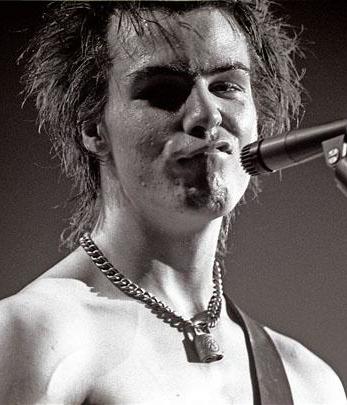
Sid Vicious, born John Simon Ritchie on May 10, 1957, in England, remains one of the most iconic yet controversial figures in the history of punk rock. Despite a brief life that ended tragically at the age of 21, his influence on music and culture continues to resonate. This article delves into the life, fame, and enduring legacy of Sid Vicious, exploring his role in the Sex Pistols, his tumultuous relationship with Nancy Spungen, and his tragic demise.
Early Life and Entry into Punk Rock
Sid Vicious grew up in London, where he had a turbulent childhood. His early years were marked by instability, which perhaps foreshadowed the chaotic lifestyle he would later embrace. Dropping out of school at a young age, Vicious was recruited by Malcolm McLaren to join the Sex Pistols, a band that would go on to define the punk rock movement of the late 1970s.
The Sex Pistols: Anarchy in the UK
The Sex Pistols were more than just a band; they were a cultural phenomenon. Their music and antics shook the foundations of British society, challenging norms and provoking outrage. Sid Vicious, despite his limited musical ability, became the band’s bassist and a central figure in its public image. His presence in the band was less about musical talent and more about his embodiment of the punk ethos—rebellion, nihilism, and a disdain for authority.
One of the band’s most famous songs, “Anarchy in the U.K.,” encapsulated the spirit of the time. Released in 1977, it became an anthem for disaffected youth and cemented the Sex Pistols’ place in music history. The band’s provocative approach reached its zenith with the release of “God Save the Queen,” a song that openly mocked the British monarchy. Despite being banned by many radio stations, the song climbed to the top of the charts, becoming the first number one hit to be censored.
Sid Vicious and Nancy Spungen: A Tragic Love Story
Sid Vicious’ life took a dark turn with his relationship with Nancy Spungen, an American who had a troubled past of her own. Their relationship was intense and destructive, marked by heavy drug use and frequent arguments. The couple moved to New York City, where they took up residence in the infamous Chelsea Hotel.
On October 12, 1978, Nancy Spungen was found dead from a stab wound in their hotel room. Sid Vicious was immediately arrested and charged with her murder. The case never went to trial, as Vicious died of a heroin overdose while out on bail on February 2, 1979, just a few months after Spungen’s death.
The Mystery of Nancy Spungen’s Death
The circumstances surrounding Nancy Spungen’s death remain a subject of speculation and debate. While Vicious reportedly confessed to killing her, saying, “I did it because I’m a dog,” many believe that he was not responsible. In the years following his death, alternative theories emerged, suggesting that Spungen might have been killed by someone else. One such theory implicates Rockets Redglare, a drug dealer and aspiring actor who was allegedly present at the scene.
Alan Parker, a London-based author and punk expert, explored this theory in his book “Vicious: Too Fast to Live.” Parker conducted interviews with various people involved in the case, including New York police officers and Vicious’ mother, Ann Beverley. According to Parker, Redglare could have been the real murderer and also the one responsible for providing the heroin that led to Sid’s fatal overdose.
Legacy: The Punk Martyr
Sid Vicious’ death marked the end of the first wave of punk. He became the movement’s first martyr, symbolizing the self-destructive tendencies that were often glamorized in punk culture. His legacy, however, is more complex than that of a mere cautionary tale. Vicious personified the raw, anarchic energy that punk was all about. His life was a chaotic mix of rebellion, excess, and tragedy, which has since become emblematic of the “sex, drugs, and rock ‘n’ roll” lifestyle.
Despite his short life and limited musical output, Sid Vicious remains an enduring icon of punk rock. His image—often clad in leather, with spiked hair and a sneer—continues to be synonymous with the punk movement. The Sex Pistols, though short-lived, left an indelible mark on music and culture, influencing countless bands and artists who came after them.
The Cultural Impact of Sid Vicious
The cultural impact of Sid Vicious extends beyond music. He became a symbol of rebellion, youth angst, and the rejection of societal norms. The punk movement, with its DIY ethos, encouraged young people to express themselves without the need for technical skill or industry approval. Vicious, with his lack of formal musical training, epitomized this approach.
Moreover, the tragic elements of his life story—the meteoric rise to fame, the destructive relationship with Spungen, and the untimely death—have contributed to his mythos. He is often compared to other rock ‘n’ roll icons who died young, such as Jim Morrison and Kurt Cobain, figures who similarly embodied the volatile mix of talent, rebellion, and self-destruction.
Historical Context: The 1970s and Punk Rock
To fully understand Sid Vicious and the punk movement, it’s essential to consider the historical context of the 1970s. The decade was a time of economic hardship and social unrest in the UK. High unemployment rates, strikes, and a general sense of disillusionment with the establishment created fertile ground for the rise of punk. The movement was as much a social statement as it was a musical one, with bands like the Sex Pistols giving voice to a generation that felt marginalized and angry.
Punk was a reaction against the excesses of mainstream rock music and the perceived complacency of the 1960s counterculture. It stripped music down to its bare essentials—raw, fast, and aggressive. The lyrics were often political, addressing issues such as unemployment, police brutality, and the monarchy.
The Enduring Influence of Sid Vicious
In the decades since his death, Sid Vicious has become a cultural icon, his image and story continuing to inspire new generations of musicians and fans. He represents the archetype of the rebellious rock star, a figure who lived fast and died young. His life has been the subject of numerous books, documentaries, and films, including the 1986 biopic “Sid and Nancy,” which dramatizes his relationship with Spungen.
The music of the Sex Pistols, though created over four decades ago, remains influential. Bands and artists across various genres have cited the Pistols as an inspiration, and their songs are still covered and referenced in popular culture. Vicious’ rendition of “My Way,” a cover of the Frank Sinatra classic, is particularly notable for its raw, defiant energy, a fitting epitaph for a life lived on the edge.
Conclusion: The Myth and Reality of Sid Vicious
Sid Vicious’ story is one of contradictions. He was both a victim and a perpetrator, a symbol of rebellion and a cautionary tale. His life was marked by excess and self-destruction, but also by a raw authenticity that resonated with a generation. The myth of Sid Vicious has only grown in the years since his death, and he continues to be a figure of fascination for those who are drawn to the darker side of rock ‘n’ roll.
While his musical contributions may have been limited, Sid Vicious’ impact on culture and his role in the story of punk rock are undeniable. He remains a potent symbol of a time when music was a force for social change, a reminder of the power of youth, and the dangers that come with living life too fast.


