
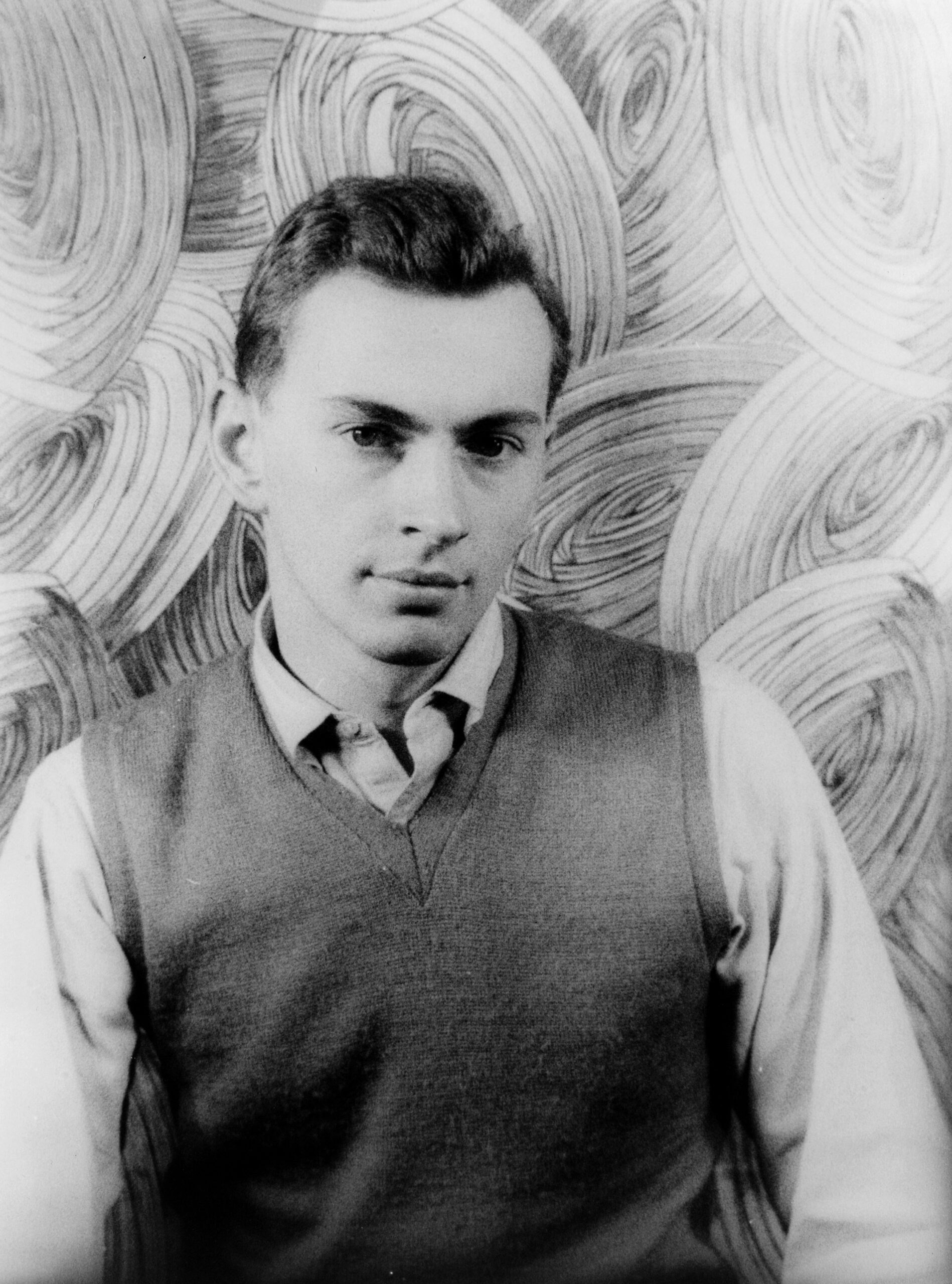
Gore Vidal, born Eugene Luther Gore Vidal on October 3, 1925, in West Point, New York, is a name synonymous with American literature, politics, and cultural commentary. His life and work have been marked by a blend of intellectual rigor, sharp wit, and a fearless approach to controversial topics. Vidal’s career spanned several decades, during which he authored numerous novels, essays, and screenplays, while also becoming a prominent public intellectual and political commentator. This article provides an in-depth exploration of Gore Vidal’s life, highlighting his journey to fame, his contributions to literature and politics, and the enduring legacy he left behind.
Early Life and Influences
Gore Vidal was born into a prominent and politically connected family. His father, Eugene Luther Vidal, was a West Point graduate and a pioneering aviation engineer, while his mother, Nina Gore, was a socialite and the daughter of Senator Thomas Pryor Gore, one of the first U.S. Senators from Oklahoma. Growing up in such an environment, Vidal was exposed to the worlds of politics and society from a young age, experiences that would later shape his career and perspectives.
Vidal attended St. Albans School in Washington, D.C., and later Phillips Exeter Academy, where his academic excellence was evident. However, it was his time in the U.S. Army during World War II that had a profound impact on him. Serving as an officer in the Aleutian Islands, Vidal witnessed the harsh realities of war, which influenced his writing and his worldview. His first novel, Williwaw (1946), was inspired by his wartime experiences and garnered critical acclaim for its depiction of the human condition during conflict.
The Road to Fame: Literature and Scandal
Vidal’s early literary success was followed by a period of controversy that would define much of his career. In 1948, at the age of 22, Vidal published The City and the Pillar, a novel that was groundbreaking for its explicit portrayal of a homosexual protagonist. At a time when homosexuality was a taboo subject in American society, the novel caused a scandal and led to Vidal being ostracized by the literary establishment. However, Vidal’s willingness to challenge societal norms and his commitment to exploring complex themes in his writing solidified his reputation as a daring and provocative author.
Despite the backlash, Vidal continued to write, producing a series of novels, essays, and plays that showcased his versatility as a writer. His works often addressed themes of power, corruption, and the American political system, reflecting his deep engagement with the cultural and political issues of his time.
Gore Vidal and the American Empire
One of the central themes in Vidal’s work is the critique of the American Empire. Vidal was a vocal critic of American foreign policy and the nation’s expansionist tendencies, which he viewed as imperialistic. This perspective is evident in his series of historical novels that collectively form a “Narratives of Empire” series. These novels, including Burr (1973), Lincoln (1984), 1876 (1976), and Empire (1987), offer a revisionist view of American history, challenging the conventional narratives and exploring the darker aspects of the nation’s past.
Vidal’s portrayal of historical figures, such as Aaron Burr, Abraham Lincoln, and Ulysses S. Grant, is marked by his skepticism of traditional hero-worship. Instead, he presents these figures as complex individuals shaped by their ambitions, flaws, and the political machinations of their time. This approach not only provided a fresh perspective on American history but also invited readers to question the myths and ideologies that underpin the nation’s identity.
The Enfant Terrible of American Literature
Throughout his career, Vidal cultivated a persona as the “enfant terrible” of American literature—a writer unafraid to speak truth to power and to confront the hypocrisies of society. His essays, collected in volumes such as United States: Essays 1952-1992 (which won the National Book Award), are a testament to his sharp intellect and his ability to dissect political and cultural issues with precision and wit.
Vidal was also known for his public feuds with other intellectuals and writers, most notably with Norman Mailer and William F. Buckley Jr. These clashes, often televised, were characterized by Vidal’s biting sarcasm and eloquence, further cementing his reputation as a formidable public figure. His famous exchange with Buckley during the 1968 Democratic National Convention, in which Vidal referred to Buckley as a “crypto-Nazi,” remains one of the most memorable moments in American television history.
Political Ambitions and Public Life
Vidal’s engagement with politics extended beyond his writing. He harbored political ambitions from an early age, influenced by his grandfather’s career in the U.S. Senate. Vidal ran for office twice—first for Congress in New York in 1960 and later for the U.S. Senate in California in 1982. Although he was unsuccessful in both campaigns, his involvement in politics reflected his deep commitment to public service and his desire to influence the direction of the country.
In addition to his electoral pursuits, Vidal was a prolific political commentator, offering his insights on a wide range of issues, from the Vietnam War to the Watergate scandal to the George W. Bush administration. His critiques of American politics were often scathing, as he lamented the erosion of civil liberties and the rise of what he saw as an increasingly authoritarian government.
A Multifaceted Career: Screenwriting and Acting
Beyond literature and politics, Vidal also made significant contributions to film and theater. He was a successful screenwriter, penning scripts for films such as Ben-Hur (1959), for which he was an uncredited writer, and Suddenly, Last Summer (1959), an adaptation of Tennessee Williams’ play. Vidal’s experience in Hollywood provided him with a unique perspective on the entertainment industry, which he often criticized for its superficiality and commercialism.
Vidal also dabbled in acting, most notably appearing in the science fiction film Gattaca (1997), where he played a supporting role alongside Ethan Hawke and Uma Thurman. His presence in the film was a testament to his enduring relevance in popular culture, even as he approached the later years of his life.
Legacy and Influence
Gore Vidal passed away on July 31, 2012, in Los Angeles at the age of 86, following complications from pneumonia. His death marked the end of an era in American letters, but his influence continues to be felt.
Vidal’s legacy is multifaceted. As a writer, he pushed the boundaries of literature, exploring themes of identity, power, and the human condition with a boldness that few of his contemporaries matched. As a public intellectual, he challenged the status quo, offering a critical perspective on American society and its institutions. And as a cultural figure, he left an indelible mark on the landscape of American arts and letters.
Vidal’s works remain widely read and studied, particularly his essays and historical novels, which offer valuable insights into the American experience. His critiques of American imperialism and his exploration of the country’s historical foundations continue to resonate in a world where questions of power, governance, and national identity are as relevant as ever.
Conclusion
Gore Vidal was a towering figure in American culture, a writer and thinker whose contributions to literature, politics, and public discourse were as influential as they were controversial. His life and work serve as a reminder of the importance of questioning authority, challenging conventional wisdom, and striving for a deeper understanding of the world around us.
In an era where political and cultural divisions are increasingly pronounced, Vidal’s legacy offers a model of intellectual courage and integrity. His willingness to confront uncomfortable truths and to speak out against injustice, even at the cost of his own popularity, is a testament to the power of the written word and the enduring importance of free thought and expression.


