
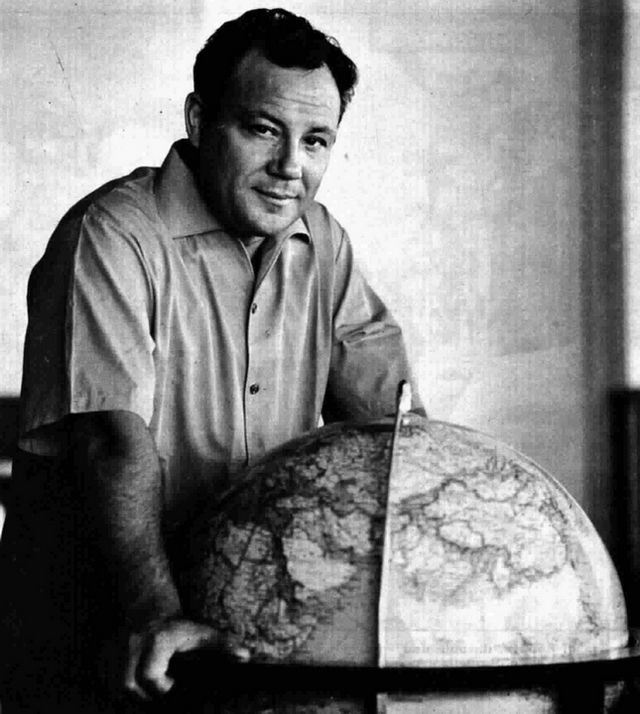
Claudio Villa, born Claudio Pica on January 1, 1926, in Rome, Italy, is a name synonymous with Italian music and culture. Known for his powerful voice and charismatic stage presence, Villa’s career spanned several decades, during which he became one of Italy’s most beloved and iconic singers. This article delves into the life and legacy of Claudio Villa, exploring his rise to fame, his personal life, and his lasting impact on the world of music.
Early Life and Beginnings in Music
Claudio Villa was born in the Trastevere neighborhood of Rome, a historic district known for its vibrant culture and artistic heritage. From a young age, Villa showed an affinity for music, particularly singing. His early exposure to the rich musical traditions of Rome, combined with his natural talent, set the stage for what would become a legendary career.
In 1946, at the age of 20, Villa began his professional singing career by participating in radio broadcasts on Radio Roma. His unique voice quickly caught the attention of music producers, and in 1947, he recorded his first songs for the Parlophon label, including “Serenatella dolce e amara” and “Canzoncella.” These early recordings marked the beginning of a prolific career that would see Villa become a household name in Italy and beyond.
Rise to Fame in the 1950s
The 1950s were a pivotal decade for Claudio Villa. His popularity soared as he became a regular performer at the prestigious Sanremo Music Festival, Italy’s premier music competition. Villa’s performances at Sanremo were characterized by his emotional delivery and technical mastery, which resonated deeply with audiences.
In 1955, Villa performed three songs at Sanremo: “Il torrente” with Tullio Pane, “Incantatella” with Narciso Parigi, and “Buongiorno tristezza.” These performances solidified his status as one of Italy’s leading singers. Two years later, he continued his success at Sanremo with performances of “Usignolo” and “Cancello tra le rose” with Giorgio Consolini, as well as “Corde della mia chitarra” with Nunzio Gallo and “Il pericolo numero uno” with Gino Latilla.
Villa’s fame was not limited to Italy. In 1959, he won the inaugural Festival of Barcelona with the song “Binario,” which also marked his debut as a songwriter. His international success continued in 1962 when he represented Italy at the Eurovision Song Contest with the song “Addio addio,” finishing in ninth place.
Personal Life and Relationships
While Claudio Villa’s professional life was marked by success and acclaim, his personal life was equally eventful. In 1952, Villa made his film debut as the lead in “Serenata amara,” directed by Pino Mercanti. That same year, he married Miranda Bonansea, an actress and voice dubber. The couple had a son, Mauro, shortly after their marriage.
Despite his professional success, Villa’s personal life was often tumultuous. He separated from Miranda Bonansea in the early 1960s and began a relationship with Noemi Garofalo, a singer from Rome. This relationship resulted in the birth of two children, Claudio in 1962 and Manuela in 1966. However, it wasn’t until after Villa’s death that these children were legally recognized as his.
In 1973, Claudio Villa met Patrizia Baldi, a woman much younger than himself. Their relationship sparked controversy due to their significant age difference, but the couple married in 1975 and remained together until Villa’s death. They had two daughters, Andrea Celeste and Aurora, born in 1980 and 1981, respectively.
Later Career and Legacy
Claudio Villa’s career continued to flourish into the 1970s and 1980s. In 1971, he released the album “Romanze dell’800,” followed by “Villa Tutto Dixieland” in 1972. These albums showcased his versatility as a singer and his ability to adapt to different musical styles.
In 1981, Villa’s name appeared on the infamous list of members of the P2 masonic lodge, a clandestine organization involved in various political and financial scandals in Italy. Although his involvement in P2 remains a point of controversy, it did little to tarnish his reputation as a beloved singer.
Villa continued to perform and record music throughout the 1980s. He made his final appearance at the Sanremo Music Festival in 1985 with the song “Il mio primo angelo,” although the song was met with lukewarm reception from both critics and the public. Despite this, Villa remained a cherished figure in Italian music, known for his passionate performances and dedication to his craft.
Death and Posthumous Recognition
Claudio Villa passed away on February 7, 1987, at the age of 61, in Padua, Italy. He died of a heart attack while undergoing surgery for pancreatitis. The news of his death was announced live on television by Pippo Baudo during the final night of the Sanremo Music Festival, a fitting tribute to a man who had been so closely associated with the event.
Villa’s death marked the end of an era in Italian music, but his legacy lives on. He was cremated, and his ashes were interred at the San Sebastiano cemetery in Rocca di Papa, a town near Rome.
In the years since his death, Claudio Villa has been remembered as one of Italy’s greatest singers. His voice, often described as powerful and emotive, continues to inspire new generations of musicians and music lovers. Numerous tributes have been paid to Villa, including posthumous awards and the continued popularity of his music.
Claudio Villa’s Impact on Italian Music
Claudio Villa’s influence on Italian music cannot be overstated. He was a master of the traditional Italian song, known as “canzone,” and his interpretations of classic songs like “‘O sole mio” and “Granada” are still celebrated today. Villa’s ability to convey deep emotion through his voice made him a favorite among audiences, and his recordings remain timeless.
Villa’s participation in the Sanremo Music Festival, where he won four times, helped to elevate the event’s status both in Italy and internationally. His performances set a standard for excellence that many artists who followed have aspired to match.
Moreover, Villa’s success at the Eurovision Song Contest and other international competitions helped to bring Italian music to a global audience. His contributions to Italian cinema, though less well-known, also played a role in shaping the cultural landscape of the country during the mid-20th century.
Conclusion
Claudio Villa’s life was one of remarkable achievement and enduring legacy. From his humble beginnings in Rome to his rise as one of Italy’s most beloved singers, Villa’s story is a testament to the power of talent, hard work, and passion. His music continues to be celebrated, and his impact on Italian culture remains profound.
In remembering Claudio Villa, we celebrate not only his contributions to music but also the rich cultural heritage he helped to preserve and promote. His voice, full of warmth and emotion, continues to resonate with audiences around the world, ensuring that his legacy will live on for generations to come.


