
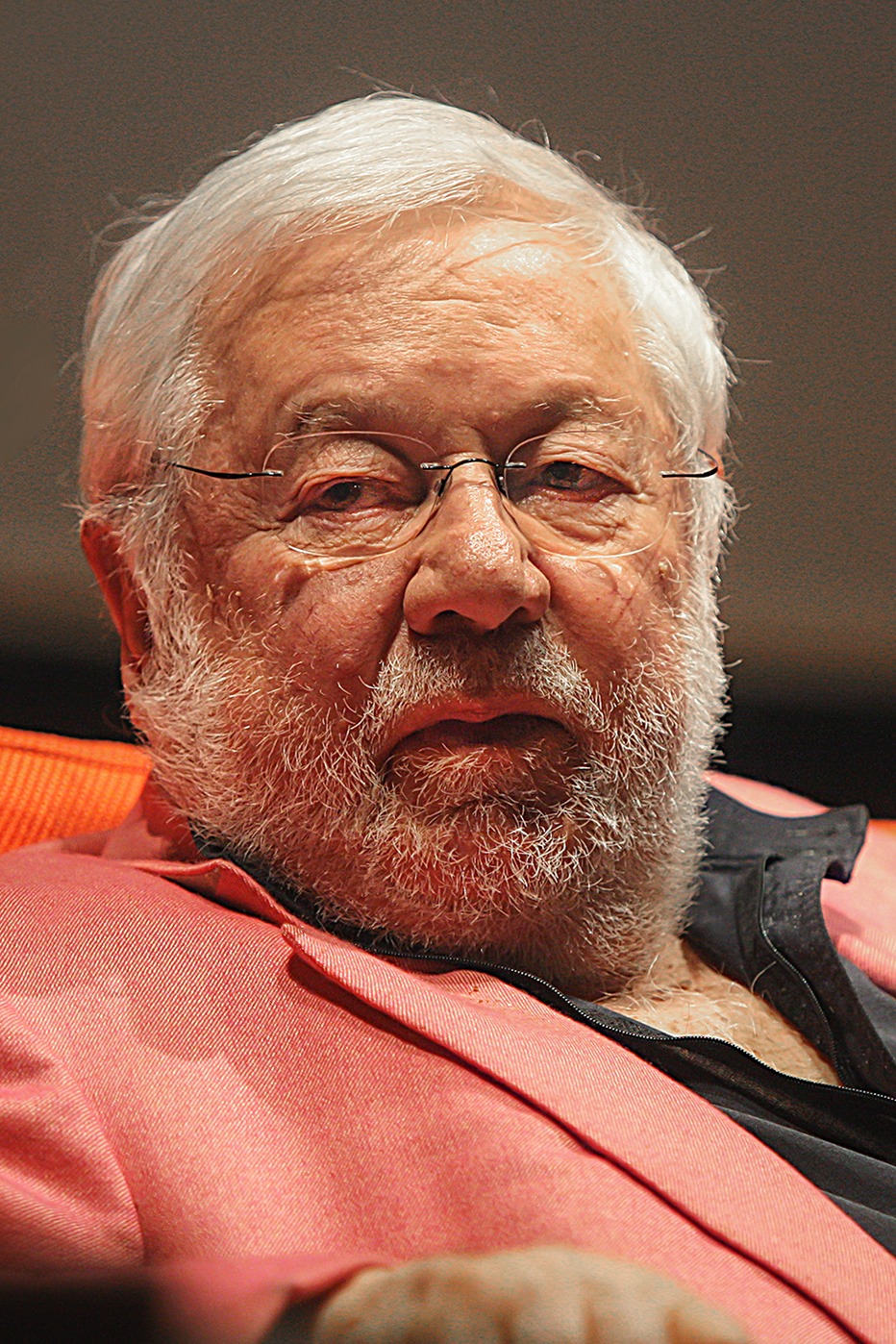
Paolo Villaggio, born on December 30, 1932, in Genoa, Italy, was an iconic Italian actor, writer, and comedian. Known for his sharp wit and satirical take on the complexities of modern life, Villaggio became one of Italy’s most beloved and influential cultural figures. His creation of the character Ugo Fantozzi, a hapless and perpetually unlucky clerk, made him a household name and cemented his legacy in the annals of Italian cinema and literature. In this article, we will explore the life and career of Paolo Villaggio, offering detailed insights into his rise to fame, his contributions to Italian culture, and the nuances of his work. This piece adheres to SEO best practices, ensuring that it is thoroughly indexed by search engines while providing an in-depth look at the life of Paolo Villaggio.
Early Life and Struggles
Paolo Villaggio was born into a relatively humble family in Genoa. His early years were marked by the difficulties of growing up during World War II. The war had a profound impact on Villaggio’s childhood, as resources were scarce, and the atmosphere of uncertainty was pervasive. Villaggio would later recall how his family’s poverty shaped his worldview and sense of humor, which often centered on the absurdities of life and the struggle for survival.
Villaggio’s education was conventional, but he quickly realized that his passion lay outside the typical career paths of his peers. After completing his studies, he took on various jobs, including working as a clerk at Consider, a job that would later serve as inspiration for his most famous character, Ugo Fantozzi.
The Birth of Ugo Fantozzi
It was during his time at Consider that Paolo Villaggio began to develop the character of Ugo Fantozzi, a middle-aged, downtrodden clerk who is constantly at the mercy of fate, his superiors, and life’s many small indignities. Fantozzi embodies the fears and frustrations of the average working man, making him a relatable and tragicomic figure.
Villaggio’s break came in the late 1960s when he was discovered by Maurizio Costanzo, a prominent Italian journalist and television host. Costanzo encouraged Villaggio to perform in a cabaret in Rome, where his talent for creating grotesque and satirical characters was quickly recognized. This led to Villaggio’s first television appearances and eventually to his role as a writer and performer on various Italian TV shows.
The character of Ugo Fantozzi first appeared in a series of short stories published in the Italian weekly magazine L’Espresso. These stories were later compiled into the book Fantozzi, published by Rizzoli in 1971. The book was an instant success, and Fantozzi became a cultural phenomenon in Italy. Villaggio’s portrayal of Fantozzi resonated with audiences, who saw in him a reflection of their own struggles and the absurdities of life in a bureaucratic society.
Rise to Cinematic Stardom
The success of the Fantozzi character in print quickly led to its adaptation to film. The first Fantozzi movie, simply titled Fantozzi, was released in 1975 and directed by Luciano Salce. The film was a huge success, establishing Villaggio as a major star in Italian cinema. Over the next two decades, Villaggio starred in a total of nine Fantozzi films, with the character becoming one of the most enduring and beloved figures in Italian pop culture.
The Fantozzi films are known for their blend of slapstick comedy and biting social satire. Villaggio’s portrayal of Fantozzi is both humorous and tragic, capturing the essence of a man who is always at the mercy of forces beyond his control. The films often depict Fantozzi’s futile attempts to improve his situation, only to be thwarted by his own ineptitude and the indifference of the world around him.
Despite the character’s comic misfortunes, there is an underlying commentary on the dehumanizing effects of modern corporate life and the struggles of the working class. Villaggio’s work was not just entertainment; it was a critique of the social and economic structures that governed the lives of ordinary people.
Beyond Fantozzi: Diversifying Roles and Collaborations
While Villaggio is best known for his role as Fantozzi, his talents extended far beyond this character. Throughout the 1970s and 1980s, Villaggio worked with some of Italy’s most acclaimed directors, showcasing his versatility as an actor. He appeared in Mario Monicelli’s Brancaleone alle crociate (1970), where he played a supporting role, demonstrating his ability to contribute to ensemble casts.
One of Villaggio’s most significant departures from the Fantozzi character came in 1990 when he starred in Federico Fellini’s La voce della luna. In this film, Villaggio played a more subdued and introspective role, acting alongside Roberto Benigni. La voce della luna marked Villaggio’s entry into more serious and art-house cinema, earning him critical acclaim and proving that he was capable of much more than just comedy.
In the 1990s, Villaggio continued to expand his repertoire, working with directors such as Lina Wertmüller in Io speriamo che me la cavo (1992), Ermanno Olmi in Il segreto del bosco vecchio (1993), and Mario Monicelli in Cari fottutissimi amici (1994). These roles allowed Villaggio to explore different aspects of his talent, moving between comedy and drama with ease.
Literary Achievements
In addition to his work in film and television, Paolo Villaggio was an accomplished writer. His Fantozzi books, published by Rizzoli, were bestsellers and solidified his reputation as a satirist. These books were not merely companions to the films; they offered deeper insights into the character of Fantozzi and the world he inhabited.
Villaggio’s writing was marked by its sharp wit and keen observation of human nature. He used humor as a tool to dissect the absurdities of life, particularly in the context of Italian society. His work resonated with readers because it captured the frustrations and struggles of everyday people in a way that was both entertaining and thought-provoking.
After the initial success of the Fantozzi books, Villaggio continued to write, producing several other works that explored similar themes. His later books, such as Vita morte e miracoli di un pezzo di merda (2002) and 7 grammi in 70 anni (2003), continued to reflect his cynical view of the world, infused with dark humor and satire.
Villaggio’s writing was not limited to the Fantozzi series. In 1996, he wrote Fantozzi saluta e se ne va, a book that marked the supposed farewell to the character that had defined much of his career. However, Villaggio continued to revisit Fantozzi in various forms, demonstrating the enduring appeal of the character.
Later Career and Legacy
As Villaggio aged, he continued to work in film, television, and theater, although the frequency of his appearances decreased. His final years in the entertainment industry were marked by a return to the stage, where he played the role of Arpagone in Molière’s The Miser in 1996. This role showcased Villaggio’s range as an actor, allowing him to delve into classic theater with the same intensity and skill that he brought to his comedic roles.
Villaggio’s contributions to Italian culture were recognized with numerous awards throughout his career. He received the David di Donatello Award in 1990, the Nastro d’Argento in 1992, and the prestigious Golden Lion for Lifetime Achievement at the Venice Film Festival in 1996. These accolades underscored the impact Villaggio had on Italian cinema and his status as one of the country’s most important cultural figures.
On July 3, 2017, Paolo Villaggio passed away at the age of 84 in Rome. His death marked the end of an era in Italian entertainment, but his legacy lives on through his films, books, and the countless people he inspired. Villaggio’s work remains relevant today, as it continues to resonate with audiences who find in his characters a reflection of their own lives.
The Enduring Legacy of Paolo Villaggio
Paolo Villaggio’s legacy is multifaceted. He was a comedian who made people laugh, but he was also a keen observer of the human condition, using his humor to highlight the absurdities and injustices of modern life. The character of Ugo Fantozzi remains his most enduring creation, a symbol of the struggles of the common man in a world that often seems indifferent to his plight.
Villaggio’s work has had a lasting impact on Italian culture, influencing generations of comedians, writers, and filmmakers. His ability to blend comedy with social commentary has set a standard for satirical work, and his characters have become icons in their own right.
In conclusion, Paolo Villaggio was more than just an actor or a comedian; he was a cultural icon whose work reflected the complexities of life in a way that was both humorous and profound. His contributions to Italian cinema, literature, and theater have left an indelible mark, ensuring that his legacy will continue to be celebrated for years to come.


