
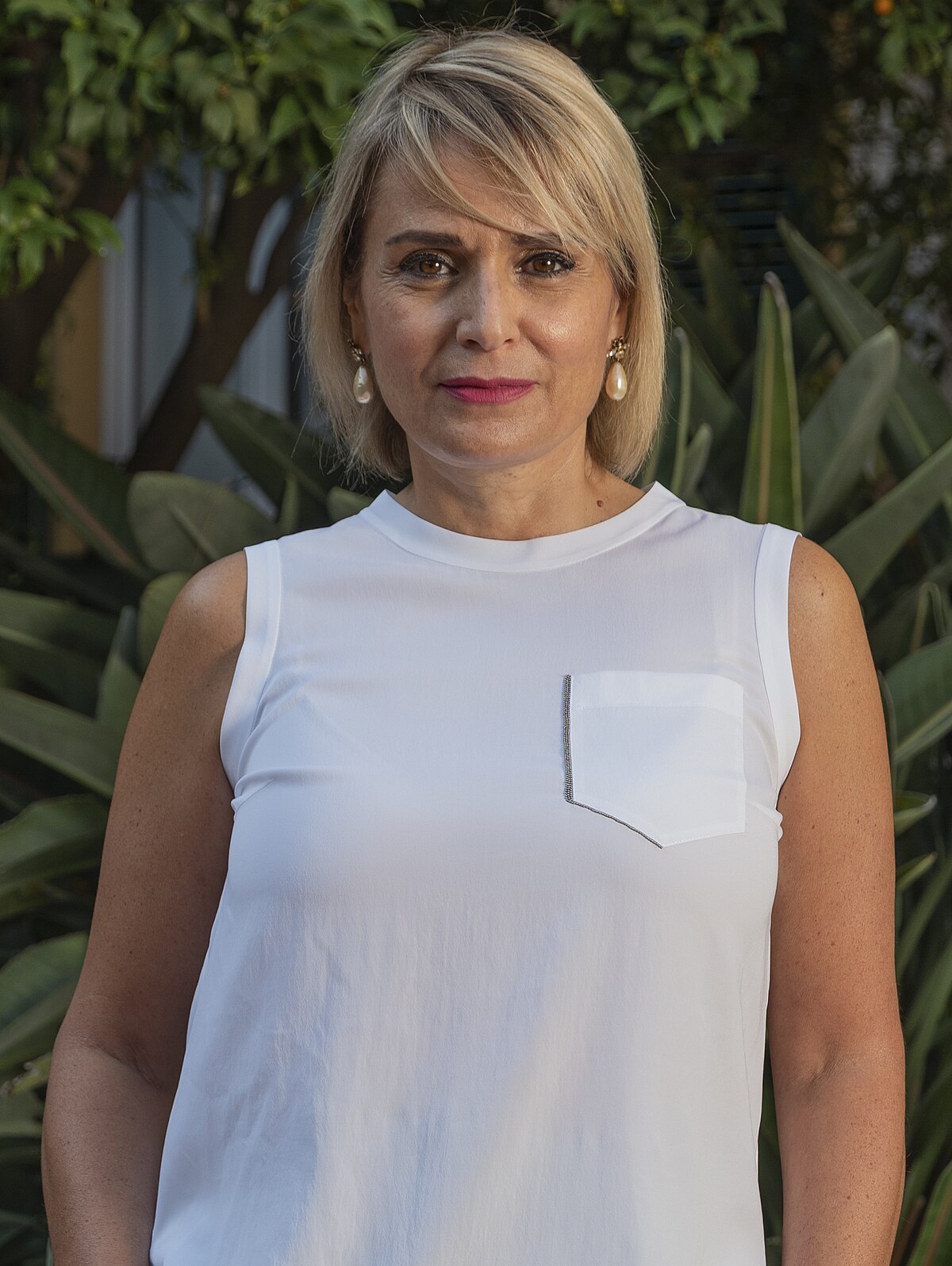
Antonella Viola, born on May 3, 1969, in the southern Italian city of Taranto, is a highly respected immunologist who has gained widespread recognition for her significant contributions to the field of immunology. Her expertise, particularly during the COVID-19 pandemic, has made her a prominent figure in both national and international scientific communities. In this comprehensive exploration of her life and career, we delve into her academic beginnings, her rise to fame, and her impact on the world of science, all while paying attention to key search intent keywords to ensure this content is optimized for search engines.
Early Life and Academic Pursuits
From a young age, Antonella Viola exhibited a deep curiosity about the natural world. Her mother recalls her unusual requests for microscopes and telescopes as Christmas gifts, a clear indication of her early passion for scientific discovery. This innate curiosity led her to pursue higher education in the field of biology. She moved to Padua, a city known for its prestigious academic institutions, to enroll at the University of Padua, where she earned a degree in Biological Sciences.
Viola’s academic journey did not stop there. Recognizing the importance of advanced research, she pursued a Ph.D. in Evolutionary Biology, also at the University of Padua. Her doctoral research laid the foundation for her future work in immunology, a field that would soon become her primary focus. Understanding the mechanisms of the immune system became her lifelong passion, driving her to seek out the best opportunities to advance her knowledge and contribute to the scientific community.
A Global Perspective: The Basel Institute of Immunology
After completing her education in Italy, Antonella Viola realized that to truly excel in her chosen field, she needed to gain international experience. This realization led her to the Basel Institute of Immunology in Switzerland, one of the world’s leading research centers in immunology. Initially joining the institute as a Visiting Scientist on a six-month contract, Viola quickly made a name for herself with her dedication and innovative research. Her work was so impressive that she was offered a permanent position, becoming the youngest scientific member of the institute.
During her nearly five years at the Basel Institute, Viola engaged in cutting-edge research that would significantly impact the field of immunology. Her work in Switzerland not only solidified her reputation as a leading immunologist but also prepared her for the challenges she would face upon returning to Italy.
Return to Italy and National Recognition
In the early 2000s, Antonella Viola returned to Italy, where she was offered the opportunity to lead the Immunology Laboratory at the Istituto Veneto di Medicina Molecolare (Veneto Institute of Molecular Medicine) in Padua. This role allowed her to apply the knowledge and experience she had gained abroad to further research in Italy. Under her leadership, the laboratory became a hub for groundbreaking research, particularly in the areas of cancer immunotherapy and molecular biology.
Viola’s work caught the attention of the scientific community and the public alike. She became a sought-after speaker at conferences and symposia, known for her clear and engaging presentation style. Her ability to communicate complex scientific concepts to a broader audience made her a popular figure in the media, where she often appeared to discuss the latest developments in immunology and public health.
Leadership at Fondazione Humanitas and European Recognition
Antonella Viola’s career took another significant leap forward when she was appointed head of the Adaptive Immunity Laboratory at the Fondazione Humanitas in Milan. This position placed her at the forefront of research into the immune system’s role in fighting diseases such as cancer. In 2014, her work was recognized with a prestigious grant from the European Research Council, worth €2.5 million, to support her project “Steps,” which focused on the immune system’s defenses against cancer.
The “Steps” project was hailed as revolutionary, and Viola chose to invest the entire grant in Italy, furthering her commitment to advancing scientific research in her home country. Her dedication to both her research and her homeland earned her numerous accolades, including membership in the European Molecular Biology Organization (EMBO), a recognition of her extraordinary contributions to molecular biology.
COVID-19 Pandemic and Public Engagement
Antonella Viola’s expertise became even more prominent during the COVID-19 pandemic. As an immunologist with a deep understanding of viral infections and immune responses, she was frequently called upon by the media to provide insights into the evolving situation. Her clear and concise explanations helped the public understand the complexities of the pandemic, making her a trusted source of information during a time of uncertainty.
In addition to her media appearances, Viola continued her research, focusing on the immune system’s response to COVID-19. Her work contributed to the global understanding of the virus and informed public health strategies in Italy and beyond. Viola’s role in the pandemic highlighted her ability to bridge the gap between scientific research and public health, further solidifying her reputation as a leading figure in the field of immunology.
Personal Life and Other Pursuits
Despite her demanding career, Antonella Viola is also a dedicated mother of two teenage children. She has often spoken about the importance of balancing her professional and personal life, and how her family has been a source of strength and inspiration throughout her career. Her commitment to educating the next generation extends beyond her own children; Viola is deeply involved in mentoring young scientists and promoting scientific literacy among the general public.
In 2022, Viola published a book titled “Il cibo buono. C’è più gusto a nutrirsi bene” (The Good Food: It’s Tastier to Eat Well), which explores the relationship between diet and health. The book reflects her holistic approach to science and well-being, emphasizing the importance of a balanced diet in maintaining a healthy immune system.
Legacy and Future Impact
Antonella Viola’s contributions to science and public health have left an indelible mark on the field of immunology. Her research has advanced our understanding of the immune system, particularly in the context of cancer and infectious diseases. Moreover, her ability to communicate complex scientific ideas to the public has made her a key figure in promoting scientific literacy and informed decision-making.
As she continues her work, Viola remains committed to pushing the boundaries of scientific knowledge and applying her findings to improve public health. Her legacy will undoubtedly inspire future generations of scientists, particularly women in STEM fields, to pursue careers in research and make their own contributions to the world.
In conclusion, Antonella Viola is not just a scientist but a visionary leader whose work has had a profound impact on both science and society. Her journey from a curious child in Taranto to a leading immunologist with global recognition is a testament to her dedication, passion, and unwavering commitment to advancing human knowledge. As we look to the future, it is clear that Viola’s work will continue to shape the landscape of immunology and inspire others to follow in her footsteps.


