
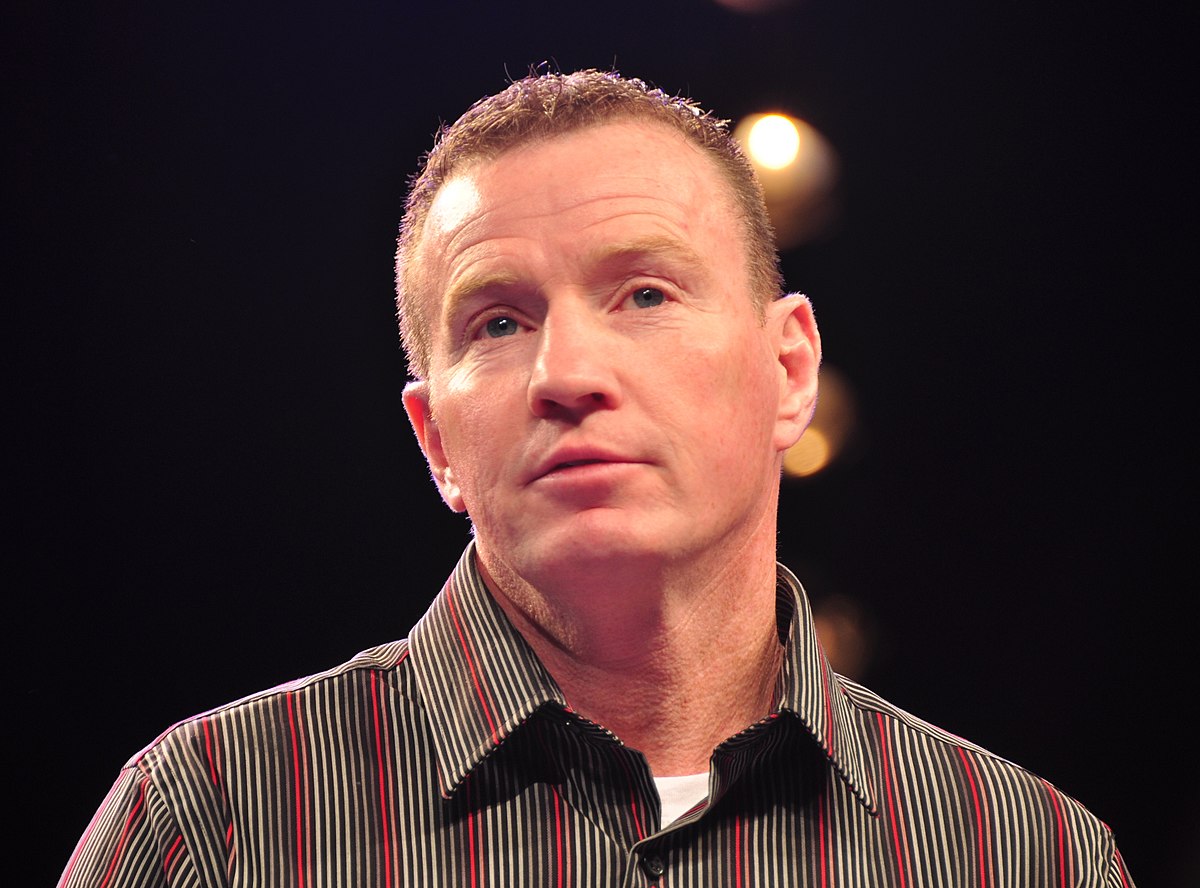
Micky Ward, often known as “Irish” Micky Ward, was born on October 4, 1965, in Lowell, Massachusetts, USA. A former professional boxer in the welterweight division, Ward’s life and career have become the stuff of legend, not only in the boxing world but also in popular culture. His story is one of grit, determination, and an indomitable fighting spirit, making him a symbol of perseverance and resilience. This article delves into the life of Micky Ward, exploring his rise to fame, his most significant career highlights, and the broader context of his legacy.
Early Life and Introduction to Boxing
Micky Ward grew up in a working-class neighborhood in Lowell, a city with a rich history but also known for its struggles with poverty and crime. Ward’s early life was marked by challenges, including growing up in a large family with eight siblings. His introduction to boxing came at an early age, influenced by his older half-brother, Dicky Eklund, a former boxer himself who famously went the distance with the legendary Sugar Ray Leonard.
Boxing became an escape for Ward, offering him a way out of the difficulties he faced at home and in his community. He began training in the local gyms of Lowell, quickly showing promise as a young fighter. His hard work and natural talent in the ring soon paid off, as he became a three-time New England Golden Gloves champion, a prestigious amateur boxing tournament in the region.
Professional Career: Early Success and Setbacks
Micky Ward turned professional in 1985, and his career started with a bang. He won his first fourteen fights, establishing himself as a rising star in the welterweight division. Known for his relentless fighting style, powerful left hook to the body, and an incredible ability to absorb punishment, Ward quickly gained a reputation as one of the toughest fighters in the sport.
However, Ward’s career hit a rough patch in the early 1990s. After suffering four consecutive losses, Ward made the difficult decision to step away from boxing in 1990. During this time, he worked as a laborer, paving roads in his hometown of Lowell, and underwent surgery on his right hand, which had been plagued by injuries throughout his career. The surgery involved fusing bone from his hip into his hand to strengthen it, a procedure that would later play a crucial role in his comeback.
The Comeback and Rise to Fame
After taking a brief hiatus from boxing, Ward was persuaded by his half-brother Dicky Eklund, who had his own battles with drug addiction, to return to the ring. Eklund, who had just been released from prison, became Ward’s trainer and mentor, helping him prepare for a comeback. In 1994, Ward returned to boxing, winning his first nine fights, including a victory over Louis Veader to claim the WBU Intercontinental Light Welterweight title.
Ward’s comeback culminated in a series of high-profile fights that would define his career. In 1997, he fought Vince Phillips for the IBF Light Welterweight title but lost the fight due to severe cuts that forced the referee to stop the match in the third round. Although Ward did not win the title, his performance earned him respect and admiration within the boxing community.
A year later, Ward faced Zab Judah, another highly regarded opponent, but again fell short, losing by decision. Despite these setbacks, Ward continued to fight on, determined to prove himself as one of the best in the division. His perseverance paid off when he traveled to London in 2000 to face the undefeated WBU champion Shea Neary. In a gritty and determined performance, Ward defeated Neary by technical knockout in the eighth round, claiming the WBU Light Welterweight title.
The Trilogy with Arturo Gatti: A Legendary Rivalry
Micky Ward’s career is perhaps best remembered for his trilogy of fights with Arturo Gatti, a Canadian boxer of Italian descent. The first fight between Ward and Gatti took place on May 18, 2002, and is widely regarded as one of the greatest fights in boxing history. The bout was an all-out war, with both fighters exchanging brutal blows throughout. In the ninth round, Ward knocked Gatti down with a vicious left hook to the body, which ultimately secured him the victory by majority decision. The fight was so intense that both fighters required hospitalization afterward, and it was named the “Fight of the Year” by The Ring magazine.
The success of their first encounter led to an immediate rematch on November 23, 2002. This time, Gatti emerged victorious, winning by unanimous decision after another grueling battle. Ward was knocked down in the third round but managed to continue fighting until the final bell. After the fight, Gatti praised Ward’s toughness and resilience, famously stating, “I always wondered what it would be like to fight my twin. Now I know.”
The trilogy concluded on June 7, 2003, in what would be Ward’s final professional fight. The third bout was just as brutal as the first two, with both fighters giving everything they had. In the sixth round, Ward knocked Gatti down, but the bell rang before the referee could count him out. Gatti recovered and went on to win the fight by unanimous decision, bringing an end to one of the most memorable rivalries in boxing history. Once again, the fight was named “Fight of the Year” by The Ring magazine, solidifying the Ward-Gatti trilogy as one of the greatest in the sport.
Retirement and Legacy
After the third fight with Gatti, Micky Ward announced his retirement from professional boxing. He finished his career with a record of 38 wins, 27 by knockout, and 13 losses. Ward’s legacy, however, extends far beyond his record. He is remembered as a “working-class hero,” a fighter who embodied the blue-collar spirit of his hometown of Lowell. Ward’s career was characterized by his relentless work ethic, determination, and refusal to back down from any challenge, no matter how daunting.
Ward’s story was brought to a wider audience with the release of the 2010 film The Fighter, directed by David O. Russell and starring Mark Wahlberg as Micky Ward. The film, which also featured Christian Bale as Dicky Eklund, depicted Ward’s early career, his relationship with his family, and his comeback that led to the legendary trilogy with Gatti. The Fighter was a critical and commercial success, earning several Academy Awards and introducing Ward’s story to a new generation of fans.
Beyond the film, Ward’s legacy has been celebrated in various other forms. The Dropkick Murphys, a Boston-based punk band, honored Ward by featuring him on the cover of their 2005 album The Warrior’s Code, which also includes a song of the same name dedicated to him. Additionally, Ward and Gatti were featured on the cover of the 2006 video game Fight Night Round 3, further cementing their place in boxing lore.
Post-Retirement Life and Influence
Since retiring from boxing, Micky Ward has remained active in the sport, often working as a trainer and mentor to young fighters. He has also been involved in various charitable efforts, using his fame and influence to give back to the community. Ward’s life story continues to inspire people both inside and outside the boxing world, serving as a testament to the power of perseverance and the importance of never giving up, no matter the odds.
Ward has also been vocal about the dangers of boxing, particularly the long-term effects of head trauma. He has openly discussed the toll that his career took on his body and mind, and he advocates for greater awareness and safety measures in the sport. His honesty and openness about these issues have earned him even more respect, as he uses his platform to raise awareness about the risks associated with boxing.
Conclusion
Micky Ward’s life and career are a powerful example of what it means to fight not just in the ring, but in life. From his early days growing up in Lowell, Massachusetts, to his rise as one of the most respected fighters in boxing history, Ward has consistently demonstrated courage, determination, and an unyielding spirit. His trilogy with Arturo Gatti is a testament to his toughness and skill, and his post-retirement efforts show his commitment to the sport and his community.
Ward’s story is not just one of personal triumph, but also a reflection of the broader themes of resilience and perseverance that resonate with people everywhere. Whether through the lens of his legendary fights, his portrayal in The Fighter, or his ongoing influence in the boxing world, Micky Ward remains a figure of inspiration and a true hero in the eyes of many.


