
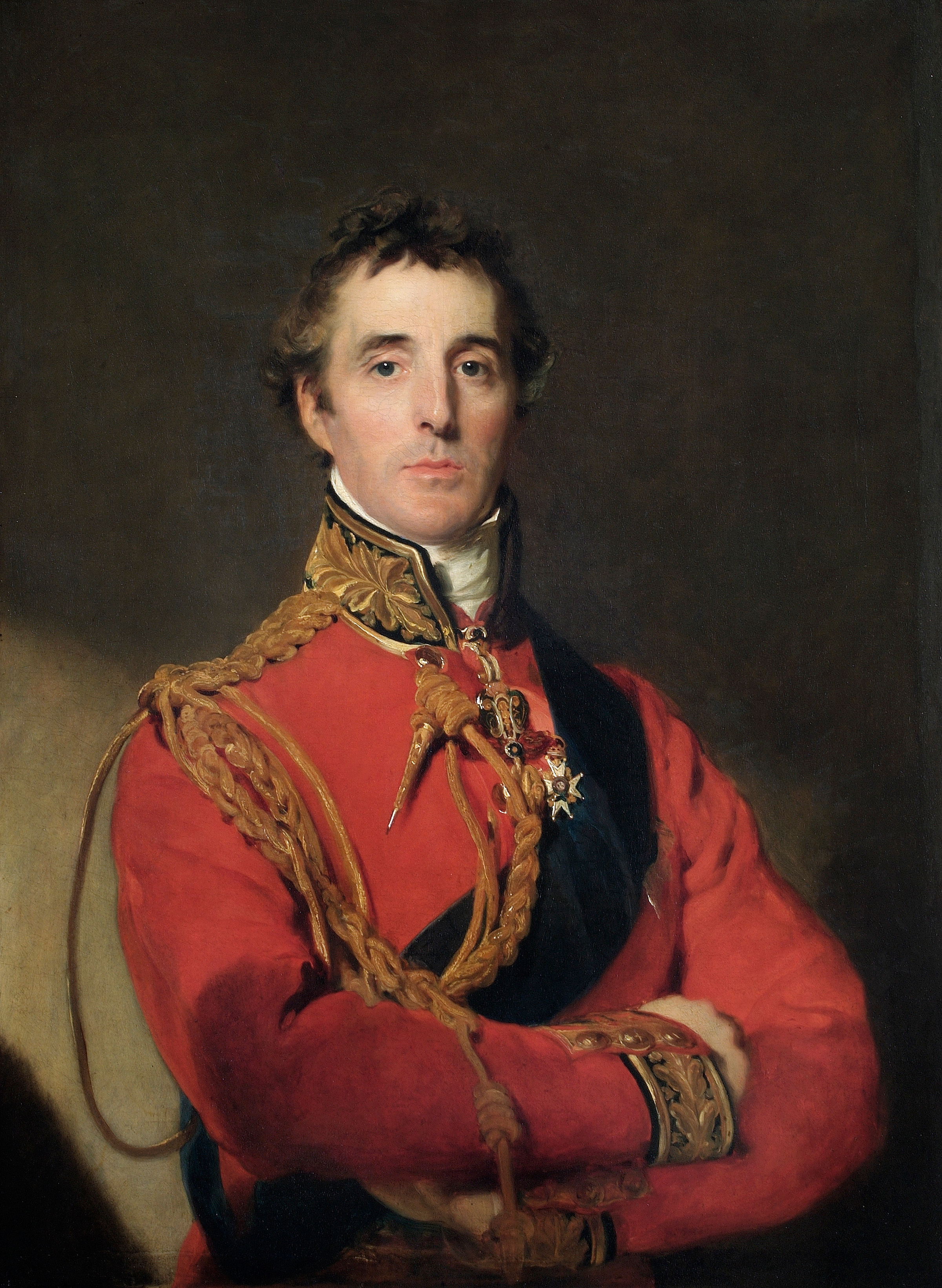
Arthur Wellesley, the 1st Duke of Wellington, is a name that resonates powerfully in the annals of European history. Born on May 1, 1769, in Dublin, Ireland, into a noble Anglo-Irish family, Wellesley became one of the most prominent military and political figures of his time. Known as the “Iron Duke,” he played a crucial role in shaping the 19th-century geopolitical landscape, particularly through his military prowess during the Napoleonic Wars and his later political career in the United Kingdom. This article delves into the life, achievements, and legacy of Arthur Wellesley, a man whose influence extended far beyond the battlefield.
Early Life and Military Beginnings
Arthur Wellesley was born into the aristocratic Wellesley family, which had long-standing ties to both England and Ireland. His father, Garret Wesley, 1st Earl of Mornington, was a respected figure in the British peerage, and his mother, Anne Hill-Trevor, was the daughter of a wealthy English family. Despite his noble lineage, young Arthur’s early life was marked by academic struggles and a lack of direction. His parents sent him to Eton College, where he was an undistinguished student. Recognizing that his strengths lay outside of academia, Wellesley’s family encouraged him to pursue a military career.
In 1787, at the age of 18, Arthur Wellesley joined the British Army, where he quickly demonstrated his aptitude for leadership and strategy. His first significant experience in the field came during the campaigns in the Netherlands against the French Revolutionary forces in 1794-1795. These early campaigns, though not overwhelmingly successful, provided Wellesley with valuable battlefield experience and a deeper understanding of military operations.
Wellesley’s big break came when he was sent to India in 1796, where his elder brother, Richard Wellesley, served as Governor-General. In India, Wellesley’s military acumen began to shine. He played a pivotal role in several key battles, including the Fourth Anglo-Mysore War, where he led British forces to victory at the Battle of Seringapatam in 1799. This victory not only bolstered British control over southern India but also established Wellesley’s reputation as a formidable military commander.
The Peninsular War and Rise to Prominence
After returning to England, Wellesley’s military career continued to ascend. In 1808, as tensions in Europe mounted, he was appointed as a lieutenant general and sent to the Iberian Peninsula to assist the Spanish and Portuguese in their struggle against Napoleon’s forces. This marked the beginning of what would become known as the Peninsular War, a key theater in the broader Napoleonic Wars.
Wellesley’s command during the Peninsular War was marked by a series of strategic victories that crippled the French presence in Spain and Portugal. His ability to outmaneuver French generals, including some of Napoleon’s best commanders, earned him widespread acclaim. Notable battles such as the Battle of Vimeiro (1808), the Battle of Talavera (1809), and the Siege of Ciudad Rodrigo (1812) highlighted Wellesley’s strategic genius and his capacity to inspire his troops under the most challenging conditions.
One of Wellesley’s most significant victories came at the Battle of Salamanca in 1812. His forces decisively defeated the French army, a turning point that led to the eventual liberation of Madrid and the retreat of French forces from much of Spain. In recognition of his successes, Wellesley was elevated to the peerage as the 1st Duke of Wellington in 1814, a title that symbolized his importance not just as a military leader but as a national hero.
The Battle of Waterloo and Defeat of Napoleon
The most famous chapter of Arthur Wellesley’s military career came in 1815 at the Battle of Waterloo. After Napoleon’s escape from exile on the island of Elba and his return to power in France, Europe faced the daunting prospect of renewed conflict. The Duke of Wellington was appointed as the generalissimo of the allied forces, a coalition of British, Dutch, Belgian, and Prussian troops, tasked with stopping Napoleon’s advance.
The Battle of Waterloo, fought on June 18, 1815, was a defining moment in European history. Wellington’s forces, though outnumbered and facing the formidable French army led by Napoleon himself, managed to hold their ground throughout the day. The battle was fiercely contested, with both sides suffering heavy casualties. However, Wellington’s strategic use of terrain and his ability to maintain the cohesion of his forces under intense pressure were critical in preventing a French breakthrough.
The arrival of Prussian forces under Field Marshal Gebhard Leberecht von Blücher in the late afternoon turned the tide of the battle. With the combined strength of the allied armies, Wellington launched a decisive counterattack that broke the French lines, leading to Napoleon’s final defeat and his subsequent abdication. The victory at Waterloo not only ended Napoleon’s ambitions but also solidified Wellington’s status as one of the greatest military commanders in history.
Political Career and the Iron Duke
After his military career, Arthur Wellesley transitioned into a significant political role in Britain. His reputation as a war hero and his deep understanding of European affairs made him a natural leader in the post-Napoleonic era. Wellington became a leading figure in the Tory party (the precursor to the modern Conservative Party) and was appointed as Prime Minister of the United Kingdom in 1828.
Wellington’s tenure as Prime Minister was marked by his staunch conservative views, particularly his opposition to sweeping social reforms. He was a firm believer in the traditional hierarchy and resisted efforts to extend voting rights and introduce other liberal reforms. His government faced significant challenges, including growing demands for Catholic emancipation, which would grant full civil rights to Roman Catholics in Britain and Ireland.
Despite his initial opposition, Wellington recognized the potential for civil unrest and reluctantly supported the Roman Catholic Relief Act of 1829, which granted Catholics the right to sit in Parliament and hold other public offices. This decision, though controversial, was a pragmatic move that helped to prevent further social discord.
Wellington’s government also faced significant opposition to its policies on electoral reform. The Reform Act of 1832, which aimed to address the unequal distribution of parliamentary representation, was strongly opposed by Wellington, who feared it would weaken the power of the landed aristocracy and destabilize the political system. However, his opposition to reform led to the fall of his government in 1830.
After his time as Prime Minister, Wellington continued to serve in various political and military roles. He was a trusted advisor to subsequent Tory governments and served as Commander-in-Chief of the British Army until 1842. Despite his conservative views, Wellington remained a respected figure in British politics, admired for his integrity, sense of duty, and commitment to the nation.
Legacy and Historical Impact
Arthur Wellesley, the 1st Duke of Wellington, left an indelible mark on both British and European history. His military achievements, particularly his role in defeating Napoleon, have earned him a place among the greatest military leaders of all time. The Battle of Waterloo remains one of the most studied and celebrated battles in history, and Wellington’s leadership during that conflict is often cited as a textbook example of military strategy and command.
Wellington’s influence extended beyond the battlefield. His political career, though marked by conservatism and opposition to reform, reflected his deep commitment to maintaining order and stability in a rapidly changing world. His reluctance to embrace change, while often criticized, was rooted in his belief that sudden and radical shifts could lead to chaos and undermine the institutions that had long upheld British society.
Despite his resistance to certain reforms, Wellington’s legacy is not one of intransigence but of duty and service. He was known for his frugality, personal discipline, and a strong sense of responsibility towards his country. These qualities earned him the nickname “The Iron Duke,” a moniker that reflected both his military prowess and his steadfastness in the face of political challenges.
Wellington’s legacy also includes his contributions to military and state infrastructure. His efforts to improve the organization and efficiency of the British Army had long-lasting effects, and his influence can be seen in the modern British military. Additionally, Wellington’s role in the construction of key public works, including the founding of the London Police Force, helped lay the foundations for modern law enforcement.
In his later years, Wellington remained an influential figure, both as a statesman and as a symbol of British resilience and leadership. He passed away on September 14, 1852, at the age of 83, at his residence in Walmer Castle. His death marked the end of an era, and he was given a state funeral, one of the highest honors the British nation can bestow. Wellington was buried in St. Paul’s Cathedral, London, alongside other British military heroes.
Conclusion: The Enduring Legacy of the Iron Duke
Arthur Wellesley, the 1st Duke of Wellington, is remembered not just as a military genius who played a pivotal role in shaping the fate of Europe, but also as a statesman who navigated the complexities of British politics during a time of significant change. His life’s work, marked by dedication, discipline, and a deep sense of duty, continues to be studied and revered by historians, military strategists, and political leaders alike.
The Duke of Wellington’s legacy is one of enduring strength and leadership. His contributions to both the battlefield and the political arena have left a lasting impact on British history and the world at large. As a figure who helped to define an era, Wellington remains a symbol of the power of leadership and the importance of service to one’s country. His story is a testament to the enduring influence of those who, through courage and resolve, shape the course of history.


