
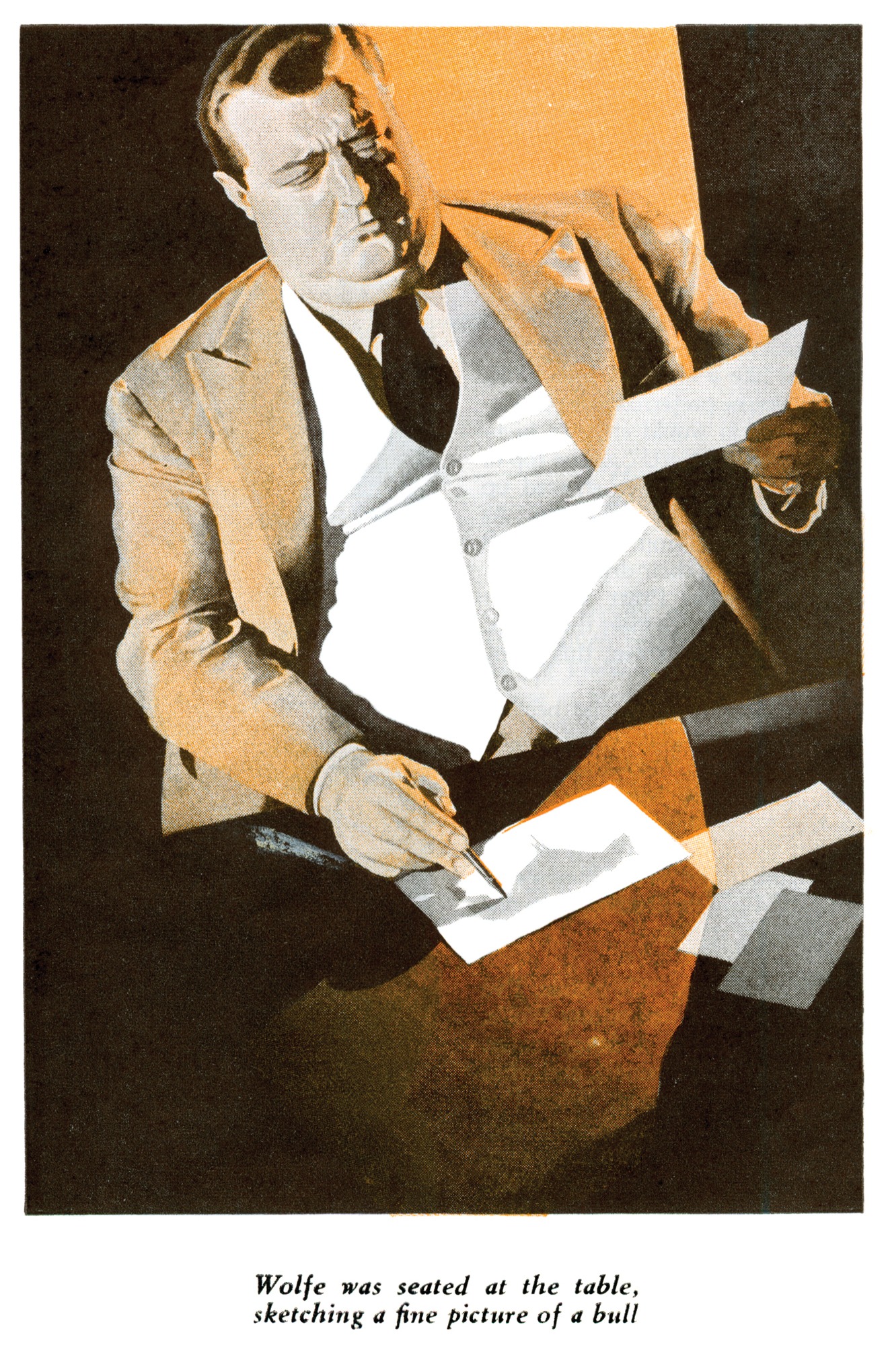
Nero Wolfe, one of the most iconic fictional detectives, was introduced to the world by the American writer Rex Stout. Born out of Stout’s imagination, Nero Wolfe made his literary debut in 1934, quickly becoming a significant figure in detective fiction. Wolfe is a character that has captivated audiences for decades, known for his eccentric lifestyle, sharp intellect, and unconventional methods of solving crimes.
Early Life and Origins
Nero Wolfe was “born” on April 17, 1893, according to the fictional timeline created by Rex Stout. His origins are Montenegrin, adding an exotic flair to his background, although his nationality plays a minor role in his stories. Wolfe’s fictional life spans several decades, with his adventures chronicled in 33 novels and 39 novellas, all written by Stout between the 1930s and the 1970s.
Character Traits and Lifestyle
Wolfe is an extraordinary character not just for his intellect but also for his distinct personality and lifestyle. Weighing approximately 150 kilograms (around 330 pounds), Wolfe is a man of large physical presence, which is mirrored by his larger-than-life personality. He is a gourmet, with a refined palate and an appreciation for fine cuisine, often prepared by his loyal Swiss chef, Fritz Brenner. Wolfe’s love for food is only matched by his passion for cultivating orchids, a hobby that he indulges in with the same meticulous attention to detail that he applies to solving crimes.
Wolfe’s home, a luxurious brownstone located at 918 West 35th Street in New York City, is not just his residence but also his sanctuary. He rarely leaves this meticulously organized space, preferring to conduct his investigations from the comfort of his armchair, relying heavily on his assistant, Archie Goodwin, to gather information from the outside world.
The Role of Archie Goodwin
Archie Goodwin plays a crucial role in the Nero Wolfe series, acting as the narrator and the hands-on operative who interacts with the outside world. Goodwin’s sharp wit, keen observational skills, and street-smart approach complement Wolfe’s cerebral methods. While Wolfe is the mastermind, it is Goodwin who often brings the necessary pieces of the puzzle to his attention, enabling Wolfe to solve even the most complex of cases.
Wolfe’s Fame and Cultural Impact
Nero Wolfe’s fame extended far beyond the pages of Rex Stout’s novels. The character’s popularity led to numerous adaptations across different media. The first film adaptation, “Meet Nero Wolfe,” was released in 1936, just two years after the character’s literary debut. Since then, Wolfe has appeared in radio shows, television series, and films, becoming a staple in American popular culture.
One of the most notable adaptations was the 1969 Italian miniseries produced by Rai, starring Tino Buazzelli as Nero Wolfe. The series brought the character to a new audience and solidified his place in the global cultural lexicon. More recently, in 2012, another Italian series titled “Nero Wolfe” was produced, featuring Francesco Pannofino as Wolfe and Pietro Sermonti as Archie Goodwin. This modern adaptation brought the classic detective stories to a contemporary audience, proving the timeless appeal of Wolfe’s character.
Nero Wolfe’s Methodology
Wolfe’s approach to crime-solving is as unique as the man himself. He is known for his methodical and logical approach, often solving cases without leaving his home. Wolfe’s ability to piece together complex puzzles from minimal information is one of his defining characteristics. He often relies on Goodwin to gather the facts, after which he spends hours contemplating the details, usually while tending to his orchids.
Wolfe’s reluctance to leave his home is not just a quirk but a central part of his character. He abhors physical exertion and prefers the comfort of his familiar surroundings. This trait, however, does not diminish his effectiveness as a detective. In fact, it highlights his genius, as he is able to solve cases that baffle others, all while remaining in his study.
Supporting Characters and Wolfe’s World
The world of Nero Wolfe is populated by a cast of recurring characters who contribute to the richness of the stories. Besides Archie Goodwin and Fritz Brenner, Wolfe’s household includes Theodore Horstmann, the gardener responsible for the care of Wolfe’s beloved orchids. Additionally, Wolfe occasionally enlists the help of freelance detectives like Orrie Cather, Saul Panzer, and Fred Durkin, who assist in gathering information and conducting surveillance.
These supporting characters add depth to the stories, providing different perspectives and skills that complement Wolfe’s own abilities. They also contribute to the sense of community and loyalty that surrounds Wolfe, despite his often gruff and irritable demeanor.
Legacy and Continued Popularity
Nero Wolfe’s legacy continues to thrive, even after the death of his creator, Rex Stout, in 1975. Stout’s passing did not mark the end of Wolfe’s adventures. The character was revived by Robert Goldsborough, who wrote seven additional novels featuring Nero Wolfe, keeping the spirit of the original stories alive for new generations of readers.
In recognition of Rex Stout’s contributions to detective fiction, the Nero Wolfe Award (also known as the Nero Award) was established in 1979 by “The Wolfe Pack,” a literary society dedicated to preserving the legacy of Nero Wolfe. This award is given annually to the best mystery novel, further cementing Wolfe’s place in the annals of detective fiction.
Historical Context and Influence
Nero Wolfe emerged during a time when detective fiction was evolving into a significant literary genre. The 1930s saw the rise of many iconic detectives, including Agatha Christie’s Hercule Poirot and Dashiell Hammett’s Sam Spade. Wolfe’s character stood out due to his unique approach and the detailed world created by Stout. Unlike many of his contemporaries, who were depicted as lone wolves or hard-boiled detectives, Wolfe was portrayed as a more complex and multifaceted character, with a rich backstory and a well-defined set of personal rules and routines.
The success of the Nero Wolfe series can be attributed not only to Stout’s skillful writing but also to the character’s timeless appeal. Wolfe’s eccentricities, combined with his brilliant mind, make him a fascinating figure who transcends the typical detective archetype. His stories are not just about solving crimes; they are also about exploring human nature, social dynamics, and the quirks that make individuals unique.
Conclusion
Nero Wolfe is more than just a fictional detective; he is a cultural icon who has left an indelible mark on the world of detective fiction. His age, fame, and life highlights reflect the enduring popularity of a character who continues to captivate audiences with his brilliance, eccentricity, and timeless appeal. From his first appearance in 1934 to the modern adaptations that bring his stories to new audiences, Nero Wolfe remains a testament to the power of well-crafted characters and the enduring allure of mystery and intrigue.


