
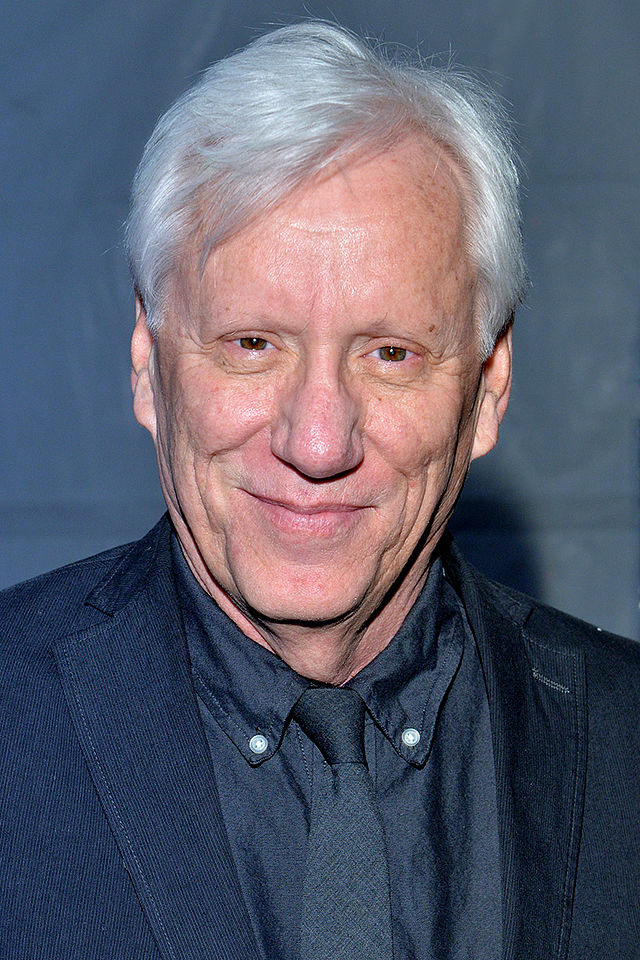
James Woods, a name that commands respect and intrigue in Hollywood, is a quintessential American actor known for his intense performances and unique ability to bring complex characters to life. With a career spanning over five decades, Woods has carved a niche for himself in the entertainment industry, earning accolades and leaving an indelible mark on cinema. This article explores the life, fame, and career highlights of James Woods, offering detailed insights and explanations into the nuances of his journey.
Early Life and Education: A Path to Stardom
James Howard Woods was born on April 18, 1947, in Vernal, Utah, but he spent much of his childhood in Warwick, Rhode Island. His father, Gail Peyton Woods, was a U.S. Army intelligence officer, and his mother, Martha A. (née Smith), managed the family at home. Tragically, his father passed away when Woods was just 12 years old, a loss that profoundly affected him and shaped his outlook on life.
Woods was an exceptionally bright student, attending Pilgrim High School in Warwick, where he graduated in 1965. His academic prowess earned him a scholarship to the prestigious Massachusetts Institute of Technology (MIT), where he initially pursued a degree in political science. However, it was during his time at MIT that Woods discovered his true passion for acting. After being involved in several theater productions, he made the bold decision to leave MIT just before graduating to pursue a career in acting full-time. This decision would prove to be the turning point in his life.
Early Career: Breaking Into Hollywood
James Woods made his film debut in 1972 with a small role in the police drama The Visitors. His performance caught the attention of industry insiders, who recognized his potential. It wasn’t long before Woods began to establish himself as a formidable talent in Hollywood, known for his intense and often unsettling portrayals of complex characters.
One of his early breakthrough roles came in the 1979 film The Onion Field, directed by Harold Becker. Woods played the role of Greg Powell, a psychopathic criminal, with such chilling realism that it set the stage for many of the dark and intense roles he would become famous for. His portrayal earned critical acclaim and solidified his reputation as a versatile actor capable of delivering powerful performances.
Woods’s early career was marked by a series of roles in gritty dramas and thrillers. His unique ability to convey intensity and ambiguity made him a natural fit for the film noir genre. Directors like Sidney Pollack, Arthur Penn, and Robert Aldrich quickly recognized Woods’s talent, casting him in films like The Way We Were (1973), Night Moves (1975), and The Choirboys (1977). These roles showcased Woods’s range as an actor and his ability to bring depth to morally complex characters.
Rise to Fame: Cult Status and Iconic Roles
The 1980s were a transformative decade for James Woods. It was during this time that he began to solidify his status as a cult figure in Hollywood, thanks in large part to his collaborations with visionary directors and his willingness to take on challenging, often controversial roles.
In 1983, Woods starred in David Cronenberg’s Videodrome, a film that has since become a cult classic. In Videodrome, Woods played Max Renn, a television executive who becomes obsessed with a mysterious broadcast signal that induces violent hallucinations. The role was both physically and psychologically demanding, and Woods’s performance was lauded for its intensity and commitment. The film itself was a daring exploration of technology, media, and the human psyche, and Woods’s portrayal of Renn remains one of his most iconic performances.
Another significant role came in 1984 when Woods starred alongside Robert De Niro in Sergio Leone’s epic crime drama Once Upon a Time in America. Playing the role of Max Bercovicz, a Jewish gangster, Woods delivered a nuanced performance that captured the complexity of his character’s ambition, loyalty, and betrayal. The film, which spans several decades, is considered one of the greatest gangster films of all time, and Woods’s performance is a key reason for its enduring legacy.
Throughout the 1980s, Woods continued to take on challenging roles that pushed the boundaries of mainstream cinema. In Salvador (1986), directed by Oliver Stone, Woods played the role of Richard Boyle, a real-life journalist covering the Salvadoran Civil War. His portrayal earned him an Academy Award nomination for Best Actor, further cementing his reputation as one of the most talented and fearless actors of his generation.
The 1990s and Beyond: Versatility and Recognition
The 1990s saw James Woods continue to build on his success, taking on a variety of roles that showcased his versatility as an actor. Whether playing a corrupt lawyer, a serial killer, or a down-on-his-luck sports agent, Woods brought the same intensity and commitment to each role.
In 1995, Woods starred in Martin Scorsese’s Casino, playing the role of Lester Diamond, a sleazy conman. Despite the film being dominated by performances from Robert De Niro, Sharon Stone, and Joe Pesci, Woods’s portrayal of Diamond was memorable, adding another layer of complexity to the film’s narrative. His ability to stand out in an ensemble cast of such high caliber is a testament to his skill as an actor.
Woods’s collaboration with Oliver Stone continued in the 1990s with the film Nixon (1995), where he played H.R. Haldeman, the Chief of Staff to President Richard Nixon. The film, a biographical drama about the controversial president, received critical acclaim, and Woods’s performance was noted for its accuracy and depth.
One of Woods’s most iconic roles from this period came in 1997 with the release of Contact, a science fiction film directed by Robert Zemeckis. In Contact, Woods played Michael Kitz, a government official involved in the search for extraterrestrial life. The film was a commercial success and remains a significant entry in the science fiction genre, with Woods’s performance contributing to its overall impact.
Later Career: Continued Success and Legacy
As James Woods entered the 2000s, he continued to work steadily in film and television, taking on roles that allowed him to explore different facets of his acting ability. In 1999, he starred in Any Given Sunday, an American sports drama directed by Oliver Stone, where he played a cynical team doctor. The film was well-received, and Woods’s performance was praised for its realism and edge.
Woods also ventured into the world of voice acting, lending his distinctive voice to various characters in animated films and television shows. One of his most notable voice roles is that of Hades in Disney’s Hercules (1997). His portrayal of the villainous god of the underworld was both humorous and menacing, making Hades one of the most memorable Disney villains of all time. Woods has reprised this role in various video games and television shows, cementing his status as a beloved figure in the world of animation.
In addition to his work in animation, Woods continued to appear in high-profile films throughout the 2000s. He played a supporting role in Clint Eastwood’s True Crime (1999) and starred in John Q (2002) alongside Denzel Washington, where he played a hospital administrator caught in an ethical dilemma. These roles demonstrated Woods’s continued relevance in Hollywood and his ability to adapt to changing trends in the film industry.
Personal Life: Relationships and Controversies
James Woods’s personal life has often been the subject of public interest, particularly his relationships and the controversies that have occasionally surrounded him. Woods has been married twice. His first marriage was to costume designer Kathryn Morrison in 1980, but the couple divorced in 1983. He married his second wife, Sarah Owen, in 1989, but this marriage also ended in divorce in 1990.
Woods has been linked to several high-profile relationships throughout his career, including with actress Heather Graham and model Missy Crider. His relationship with Crider was particularly notable as the two met on the set of a television movie where Crider played Woods’s daughter. Despite the significant age difference, their relationship garnered media attention and public scrutiny.
In 2001, James Woods was recognized as the “American of the Year” by the FBI for providing crucial information related to the September 11 attacks. Woods had been on a flight that he believed was a rehearsal for the attacks and reported his concerns to the authorities. His actions were later acknowledged as instrumental in the investigation.
Legacy and Impact: A Career of Distinction
James Woods’s career is a testament to his versatility, talent, and unwavering commitment to his craft. Over the years, he has portrayed a wide range of characters, each marked by his signature intensity and attention to detail. Whether playing a villain, a hero, or something in between, Woods has consistently delivered performances that resonate with audiences and critics alike.
His contributions to the film industry have not gone unnoticed. Woods has been nominated for numerous awards throughout his career, including two Academy Award nominations, and has won critical acclaim for his work in both film and television. His ability to inhabit characters with such depth and authenticity has made him a favorite among directors and audiences.
In addition to his acting prowess, Woods’s distinctive voice and sharp wit have made him a memorable figure in popular culture. His work in animation and voice acting has introduced him to a new generation of fans, while his performances in classic films like Videodrome, Once Upon a Time in America, and Salvador continue to be celebrated.
James Woods remains an enigmatic figure in Hollywood, known for his strong opinions and his refusal to conform to industry norms. This independence has allowed him to maintain a long and varied career, one that continues to evolve and adapt to the changing landscape of the entertainment industry.
Conclusion: A Hollywood Icon
James Woods is more than just an actor; he is a Hollywood icon whose work has left a lasting impact on the industry. From his early days as a rising star to his status as a cult figure in American cinema, Woods has consistently challenged himself and his audiences with roles that defy expectations. His career is a study in the power of dedication, talent, and the willingness to take risks.
As Woods continues to work in film and television, his legacy grows ever stronger. He remains a unique voice in Hollywood, one whose contributions to the art of acting will be remembered for generations to come.


