
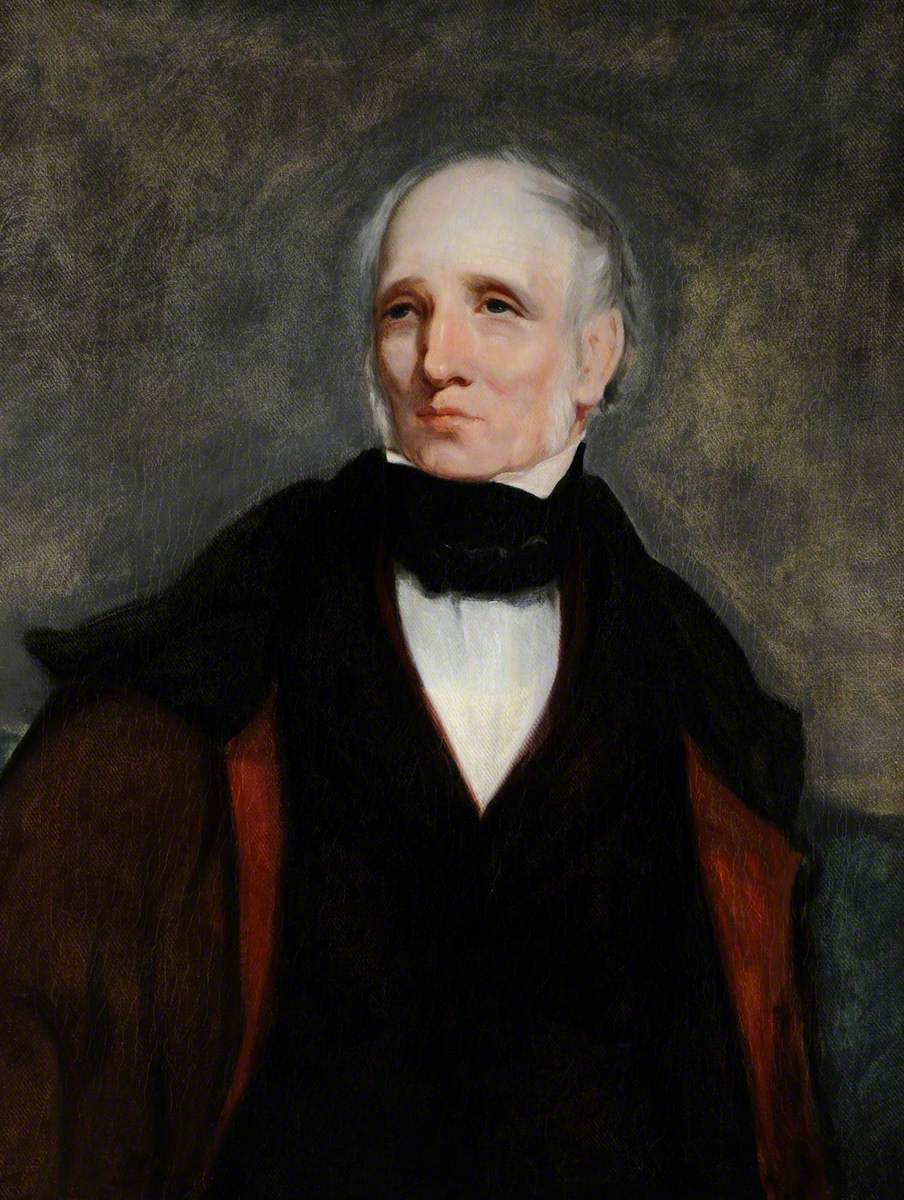
William Wordsworth is a name that resonates with deep reverence in the world of English literature. He stands as one of the towering figures of Romanticism, a literary movement that sought to elevate emotion, nature, and the individual over the industrial and rational. Born on April 7, 1770, in the quaint town of Cookermouth, Cumberland, England, Wordsworth’s life was one marked by both tranquility and turmoil, each shaping his poetic genius in profound ways.
Early Life and Education: A Serene Beginning
William Wordsworth’s early years were blessed with the warmth of a loving family and the beauty of nature. Unlike many of his contemporaries who experienced turbulent childhoods, Wordsworth’s early life was a time of relative peace and happiness. His father, a lawyer and tax collector, provided a stable and comfortable environment, allowing young William to develop a deep connection with the natural world around him. This connection would later become a cornerstone of his poetic work.
However, this idyllic childhood was not to last. The death of his mother when he was just eight years old was a shattering blow, followed by the loss of his father five years later. Orphaned by the age of 13, Wordsworth was sent to live with his uncles, who enrolled him in a local school and later at the prestigious University of Cambridge. It was here that he began to explore his poetic talents, eventually making his debut as a poet in 1787 with a sonnet published in “The European Magazine.”
A Journey Through Revolutionary France: Ideals and Disillusionment
In 1790, during his time at Cambridge, Wordsworth embarked on a life-changing journey to Switzerland and France. This was no ordinary trip; it was an odyssey that would profoundly influence his worldview and his poetry. France was in the throes of revolution, and Wordsworth found himself deeply moved by the ideals of liberty, equality, and fraternity that fueled the uprising. He became close friends with Captain Michel Beaupuy, a staunch supporter of the Revolution, and even considered joining the Girondins, a radical faction within the revolutionary movement.
However, the harsh realities of the Revolution soon began to tarnish his idealistic views. The Reign of Terror, with its brutal purges and rampant executions, left Wordsworth disillusioned. The imperial ambitions of the French, which he initially supported, eventually repelled him, plunging him into a deep personal crisis. This period of inner turmoil is vividly captured in his dramatic work, “The Borderers” (1795).
During this tumultuous time, Wordsworth also experienced a passionate love affair with a Frenchwoman named Annette Vallon, with whom he had a daughter, Caroline. Although he recognized his daughter, Wordsworth did not marry Annette, a decision that left him with a lingering sense of guilt and loss, themes that would recur in his later works.
The Lyrical Ballads: A Revolutionary Literary Partnership
In 1797, Wordsworth’s life took a significant turn when he met Samuel Taylor Coleridge, another luminary of English Romanticism. The two poets quickly formed a deep and lasting friendship, one that would lead to a collaborative project that would revolutionize English poetry. Together, they published “Lyrical Ballads” in 1798, a collection of poems that sought to depict ordinary life in ordinary language. This work is often credited with launching the Romantic movement in English literature.
Wordsworth’s contribution to “Lyrical Ballads” was monumental. In the preface to the second edition, published in 1800, he outlined his poetic philosophy, advocating for the use of simple language and a focus on the emotional experiences of everyday people. This was a radical departure from the ornate and formal poetry of the 18th century, and it resonated deeply with readers who were yearning for a more authentic and relatable form of expression.
The Lake District Years: Solitude, Success, and Sorrow
After the publication of “Lyrical Ballads,” Wordsworth retreated to the Lake District, a region of stunning natural beauty that had always held a special place in his heart. Here, in the village of Grasmere, he lived a simple, rustic life with his devoted sister Dorothy, who was both his muse and his confidante. The Lake District provided Wordsworth with endless inspiration, and he spent the next several years composing some of his most famous works, including “Tintern Abbey” and “The Prelude.”
“The Prelude,” a long autobiographical poem that Wordsworth worked on throughout his life, is considered one of his greatest achievements. It offers a profound reflection on his development as a poet and a thinker, chronicling his spiritual and intellectual journey from childhood to adulthood. The poem was not published during Wordsworth’s lifetime; it was completed and published posthumously by his wife Mary in 1850.
During this period, Wordsworth also experienced significant personal growth and change. In 1802, he married Mary Hutchinson, a childhood friend, marking a turning point in his life. The marriage brought him stability and happiness, but it also meant a permanent separation from Annette Vallon and their daughter Caroline, a decision that continued to haunt him.
The early 19th century was a time of both great success and deep sorrow for Wordsworth. In 1810, his friendship with Coleridge deteriorated, largely due to Coleridge’s struggles with addiction and the diverging paths their lives had taken. This was a painful loss for Wordsworth, who had considered Coleridge a kindred spirit and collaborator.
Later Life: A Conservative Turn and Poetic Legacy
As Wordsworth grew older, his political views became increasingly conservative. Disillusioned by the failures of the French Revolution and the rise of Napoleon, he abandoned his earlier radicalism and embraced more traditional values. This shift is evident in his later works, such as the “Ecclesiastical Sonnets” (1822), which reflect his deepening Christian faith and his support for the English monarchy.
Despite his changing political views, Wordsworth’s reputation as a poet continued to grow. In 1843, he was appointed Poet Laureate of the United Kingdom, a prestigious position that recognized his contributions to English literature. However, this period of professional success was marred by personal tragedy. Wordsworth lost two of his five children and watched helplessly as his beloved sister Dorothy was struck by paralysis in 1829. These losses cast a long shadow over his later years, tempering the joy of his poetic achievements.
William Wordsworth passed away on April 23, 1850, at the age of 80, in his home at Rydal Mount, where he had lived for nearly four decades. His death marked the end of an era in English poetry, but his legacy continues to endure. Wordsworth’s work has inspired countless poets and writers, and his emphasis on the beauty of nature and the emotional depth of ordinary life remains as relevant today as it was in the 19th century.
The Legacy of William Wordsworth: Nature, Emotion, and the Human Spirit
William Wordsworth’s contribution to English literature is immeasurable. His work helped to redefine poetry, making it more accessible and emotionally resonant for readers. By focusing on the natural world and the inner experiences of ordinary people, Wordsworth broke away from the rigid conventions of his time and paved the way for a more personal and reflective form of expression.
Wordsworth’s poetry is characterized by its deep connection to nature. He believed that nature was a source of spiritual and emotional sustenance, capable of elevating the human spirit and providing solace in times of sorrow. This belief is evident in many of his most famous works, including “Lines Composed a Few Miles Above Tintern Abbey,” where he reflects on the restorative power of the natural landscape.
Another key theme in Wordsworth’s work is the exploration of memory and its role in shaping our identities. In “The Prelude,” he delves into his own memories, tracing the development of his thoughts and feelings from childhood to adulthood. This introspective approach was revolutionary at the time and has influenced generations of poets and writers who followed.
Wordsworth’s focus on the individual and the emotional complexities of everyday life also set him apart from his contemporaries. He sought to capture the beauty and significance of ordinary experiences, believing that even the most mundane moments could hold profound meaning. This democratic approach to poetry made his work accessible to a wider audience and helped to establish Romanticism as a dominant force in English literature.
In conclusion, William Wordsworth was not just a poet; he was a visionary who reshaped the landscape of English literature. His emphasis on nature, emotion, and the human spirit continues to resonate with readers around the world, making his work as relevant today as it was over two centuries ago. Wordsworth’s life and poetry are a testament to the enduring power of art to capture the essence of the human experience and to inspire future generations.


