
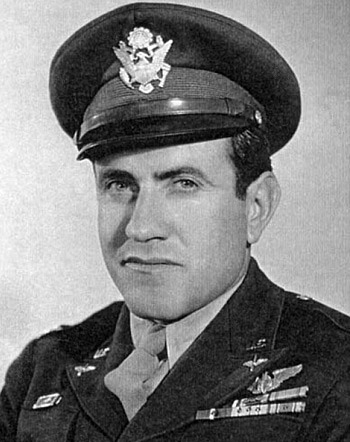
Louis Zamperini’s life is a testament to the power of resilience, determination, and the human spirit. Born on January 26, 1917, in Olean, New York, Zamperini became a symbol of perseverance through his incredible journey as an Olympic athlete, World War II hero, and inspirational speaker. His story, marked by extraordinary feats of endurance and an unwavering commitment to overcoming adversity, continues to inspire people around the world. This article explores the life, accomplishments, and enduring legacy of Louis Zamperini, providing a detailed account of his experiences and the impact he made on history.
Early Life and Challenges
Louis Silvie Zamperini was born to Italian immigrant parents, Anthony and Louise Zamperini. In 1919, when Louis was just two years old, the family relocated to Torrance, California, in search of better opportunities. Growing up, Zamperini faced significant challenges, primarily due to his inability to speak English, which made him a target for bullies. His early years were marked by frequent confrontations and difficulties in adjusting to his new environment.
To help him defend himself, Zamperini’s father taught him how to box. However, it was his older brother, Pete, who recognized Louis’s potential and steered him toward athletics, particularly running. Pete believed that channeling Louis’s energy into sports would keep him out of trouble and help him gain the respect of his peers.
The Beginnings of a Running Career
Louis Zamperini’s introduction to running proved to be a turning point in his life. He joined the track team at Torrance High School, where he quickly began to make a name for himself. Despite a rocky start, by the end of his first year on the team, Zamperini had secured a fifth-place finish in a 660-yard race. This early success fueled his determination, and he began to train rigorously, focusing on improving his speed and endurance.
By 1934, Zamperini had set a new interscholastic record for the mile, running it in 4 minutes, 21.2 seconds. This remarkable achievement earned him widespread recognition and a scholarship to the University of Southern California (USC). His performances on the track continued to improve, and he soon became one of the most promising middle-distance runners in the United States.
The Road to the Olympics
Zamperini’s talent and hard work culminated in his decision to compete for a spot on the U.S. Olympic team in 1936. The trials, held at Randall’s Island in New York, were grueling, with sweltering heat causing several competitors to drop out. Despite the challenging conditions, Zamperini managed to qualify for the 5,000-meter race, becoming the youngest American to do so at the age of 19.
The 1936 Olympics were held in Berlin, Germany, against the backdrop of Adolf Hitler’s rising regime. The games were highly politicized, but for Zamperini, they represented the pinnacle of his athletic career. Although he did not win a medal, his performance in the 5,000-meter final was nothing short of extraordinary. He finished eighth overall, but his final lap, completed in just 56 seconds, caught the attention of Adolf Hitler, who requested a personal meeting with the young athlete. This brief encounter with one of history’s most infamous figures added an intriguing chapter to Zamperini’s already remarkable story.
World War II and Military Service
With the outbreak of World War II, Louis Zamperini’s life took a dramatic turn. He enlisted in the United States Army Air Forces and was assigned as a bombardier in the Pacific Theater. In April 1943, during a bombing mission over the island of Nauru, Zamperini’s plane was severely damaged, marking the beginning of a harrowing series of events that would test his resilience like never before.
Later that year, while on a search-and-rescue mission, Zamperini’s plane, the Green Hornet, malfunctioned and crashed into the Pacific Ocean. Out of the 11 crew members, only Zamperini and two others survived. Adrift in the open ocean with no food or water, the men faced almost unimaginable hardships. They fended off shark attacks, endured blistering heat, and survived on rainwater, small fish, and birds. After 33 days at sea, one of the survivors, Francis McNamara, succumbed to the harsh conditions. But Zamperini and the pilot, Russell Phillips, held on, drifting for a total of 47 days before they were captured by the Japanese Navy near the Marshall Islands.
Imprisonment and Endurance
Zamperini’s ordeal did not end with his capture. He was taken as a prisoner of war (POW) and subjected to brutal treatment by his captors. Held in various camps, including the notorious Ofuna interrogation center and the Omori POW camp near Tokyo, Zamperini endured relentless physical and psychological abuse. One of his tormentors, Mutsuhiro Watanabe, known as “The Bird,” singled him out for particularly harsh treatment, determined to break his spirit.
Despite the severe conditions, including malnutrition, beatings, and forced labor, Zamperini’s resolve never wavered. He remained defiant and resilient, refusing to let his captors defeat him. This period of his life is a powerful testament to the strength of the human spirit and the will to survive against all odds.
Post-War Life and Struggles
When World War II ended in 1945, Louis Zamperini was finally liberated and returned to the United States, where he was welcomed as a hero. His return, however, was not the end of his struggles. Like many veterans, Zamperini faced significant challenges in adjusting to civilian life. He suffered from post-traumatic stress disorder (PTSD), which manifested in nightmares, flashbacks, and a dependence on alcohol as a coping mechanism. His marriage to Cynthia Applewhite, whom he married in 1946, was also strained by his ongoing battle with PTSD.
It was during this tumultuous period that Zamperini’s life took another dramatic turn. At the urging of his wife, he attended a sermon by the young evangelist Billy Graham in 1949. The experience profoundly affected Zamperini, leading him to convert to Christianity. His newfound faith gave him the strength to confront his past, forgive his captors, and find peace within himself.
Forgiveness and Redemption
Forgiveness became a central theme in Louis Zamperini’s life. In 1950, he returned to Japan to meet with several of his former guards. Although Watanabe, “The Bird,” refused to meet him, Zamperini extended forgiveness to those who had wronged him during the war. This act of reconciliation was a significant step in his journey toward healing and redemption.
Zamperini’s story of forgiveness and resilience resonated with many, and he soon became a sought-after speaker, sharing his experiences with audiences around the world. He spoke about the power of faith, the importance of forgiveness, and the strength of the human spirit in overcoming adversity. His message inspired countless individuals to find hope and purpose in their own lives, no matter how difficult their circumstances.
The Legacy of Louis Zamperini
Louis Zamperini’s life was one of extraordinary achievement and enduring legacy. His story has been chronicled in books, documentaries, and films, ensuring that future generations will continue to be inspired by his example. One of the most notable accounts of his life is the 2010 biography Unbroken by Laura Hillenbrand, which became a bestseller and was later adapted into a film directed by Angelina Jolie in 2014.
The film, also titled Unbroken, brought Zamperini’s story to a global audience, highlighting his incredible journey from Olympic athlete to war hero to inspirational speaker. The movie depicted his life with emotional depth, capturing the essence of his struggles and triumphs. Zamperini himself was involved in the making of the film, offering insights and guidance to ensure that his story was told with accuracy and respect.
Final Years and Death
In his later years, Louis Zamperini continued to live an active and fulfilling life. He remained passionate about athletics and participated in various events, including carrying the Olympic torch at the Nagano Winter Olympics in 1998, just a short distance from the POW camp where he had been held. This symbolic act was a powerful reminder of his resilience and his ability to overcome the darkest moments of his life.
Zamperini also returned to Berlin in 2005, revisiting the Olympic Stadium where he had competed nearly 70 years earlier. His return to this historic site was a poignant moment, marking the full circle of his incredible journey.
Louis Zamperini passed away on July 2, 2014, at the age of 97, due to complications from pneumonia. His death was mourned by many, but his legacy continues to live on through the countless lives he touched with his story.
Conclusion: A Life of Courage and Inspiration
Louis Zamperini’s life was a remarkable journey of courage, endurance, and redemption. From his early days as a troubled youth to his triumphs as an Olympic athlete, his harrowing experiences as a POW, and his eventual path to forgiveness and peace, Zamperini embodied the qualities of a true hero. His story is a powerful reminder that no matter how insurmountable the challenges we face, we have the capacity to overcome them and emerge stronger on the other side.
Zamperini’s legacy is one of hope and inspiration. His life serves as a beacon for those who struggle with adversity, showing that even in the darkest of times, there is always a path to redemption. Through his story, Louis Zamperini continues to inspire generations to believe in the power of resilience, the importance of forgiveness, and the enduring strength of the human spirit.


