
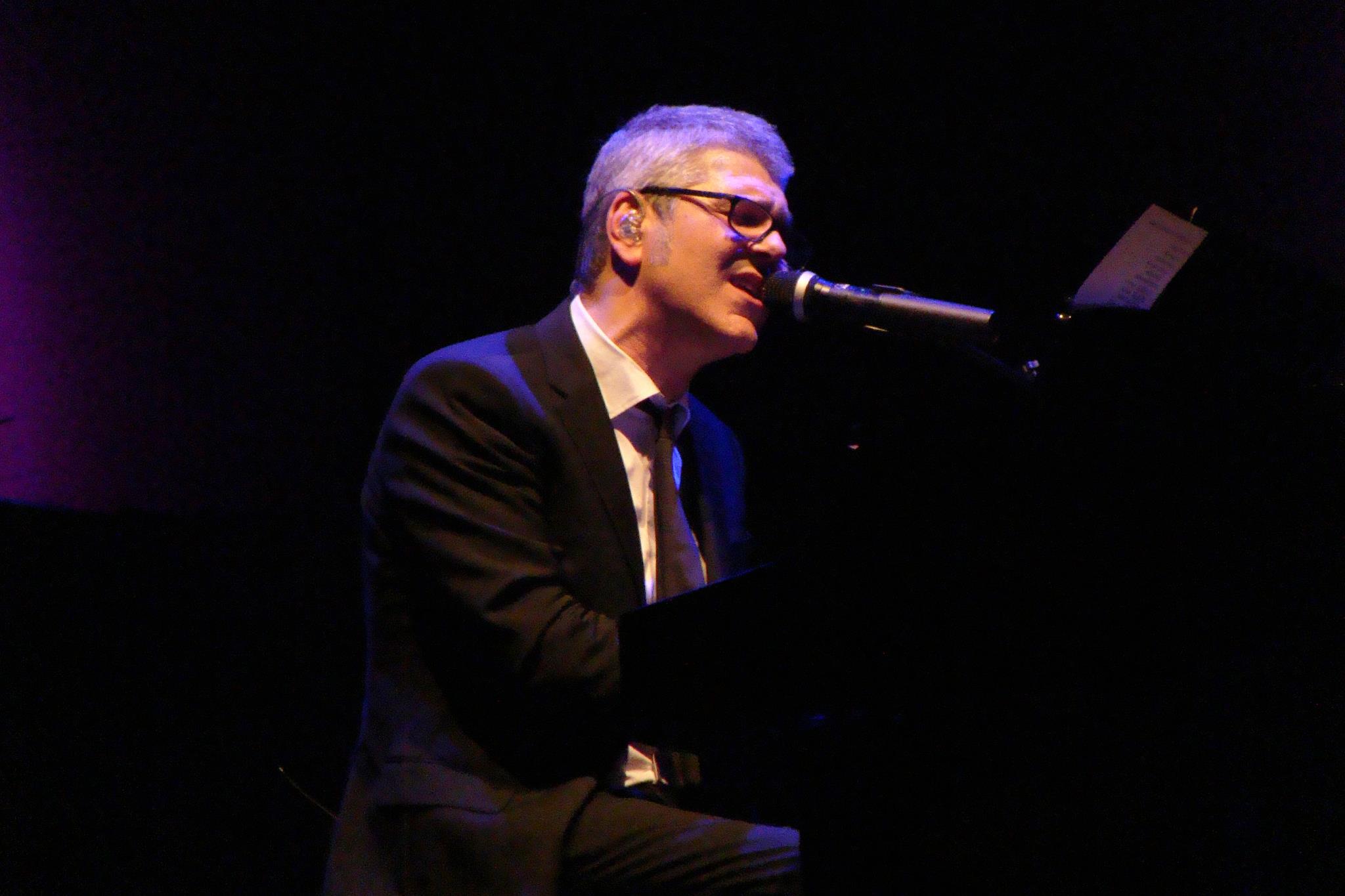
Michele Zarrillo is an iconic figure in the Italian music scene, renowned for his unique voice, emotive lyrics, and ability to blend different musical genres. Born on June 13, 1957, in Rome, Italy, Zarrillo’s career spans several decades, during which he has established himself as a versatile and influential artist. His journey through the music world is marked by his early beginnings in rock music, his transition to pop, and his lasting impact on Italian popular music.
Early Life and Musical Beginnings
Michele Zarrillo was born and raised in Rome, under the zodiac sign of Gemini. His musical journey began in the early 1970s when he started as a guitarist and singer. Zarrillo’s initial foray into the music industry was rooted in the rock scene, specifically in the underground rock culture of Rome. He was a founding member of the band Semiramis, which played in the rock venues of the Roman suburbs. This group gained some recognition by participating in the legendary Villa Pamphili rock festival in 1972, a pivotal event in Rome’s music history.
In 1974, Zarrillo joined another influential band, Rovescio della Medaglia, where he served as the lead vocalist. This band was known for its avant-garde approach to music, blending rock with progressive elements. These early experiences were crucial in shaping Zarrillo’s musical identity, grounding him in a deep understanding of both the technical and emotional aspects of music.
Transition to Pop and Breakthrough in the 1980s
As the 1970s progressed, Zarrillo began to explore the world of pop music, showcasing his strong songwriting abilities. He started writing songs for established Italian artists, such as Renato Zero and Ornella Vanoni, marking his entry into the mainstream music industry.
The 1980s were a transformative decade for Zarrillo. In 1987, he achieved a significant milestone by winning the prestigious Festival di Sanremo in the “New Proposals” category with the song “La notte dei pensieri.” This victory catapulted him into the spotlight, leading to increased demand for his performances. His distinct voice and interpretative skills began to garner attention, solidifying his position as a solo artist.
In 1990, a chance meeting with Alessandro Colombini, a prominent Italian music producer known for working with artists like Lucio Battisti and Antonello Venditti, further elevated Zarrillo’s career. This collaboration led to the creation of the song “Strade di Roma,” which was presented at the 1992 Sanremo Festival, and the subsequent album “Adesso.” The album marked the beginning of a fruitful partnership with lyricist Vincenzo Incenzo, who would go on to co-write many of Zarrillo’s songs.
The 1990s: Rise to Prominence
The 1990s were a period of significant artistic growth for Zarrillo. In 1994, he released “Cinque Giorni,” a poignant love song that became a massive hit and remains one of his most famous works. The song’s success was followed by the album “Come uomo tra gli uomini,” which included several tracks that became staples in Zarrillo’s concerts, such as “Il canto del mare,” “Il sopravvento,” and “Gli assolati vetri.”
Zarrillo’s continued success in the 1990s was marked by his ability to connect with audiences through emotionally charged performances and relatable lyrics. His 1996 album “L’elefante e la farfalla,” released after his participation in Sanremo that year, further demonstrated his evolution as an artist. The album was a result of collaborative efforts with his long-time lyricist Vincenzo Incenzo and showcased Zarrillo’s talent for blending intricate musical compositions with deeply personal lyrics.
In 1997, Zarrillo released “L’amore vuole amore,” a compilation album that featured two new songs alongside some of his greatest hits from previous years. The album was a commercial success, selling over 600,000 copies and solidifying Zarrillo’s status as one of Italy’s premier pop artists. The album’s success extended beyond Italy, with a Spanish version released across Europe, and a successful promotional tour in countries including Germany, Austria, Belgium, and Poland. Zarrillo also performed in Canada and Japan, where his concerts were met with overwhelming enthusiasm.
The 2000s: Experimentation and Continued Success
As the new millennium dawned, Michele Zarrillo continued to push the boundaries of his musical style. In 2000, he released “Il vincitore non c’è,” an album that saw him delve deeper into musical experimentation, blending his rock roots with contemporary pop elements. This period was marked by a desire to explore new sounds while staying true to his artistic core.
In 2001, Zarrillo participated in the Sanremo Festival with the song “L’acrobata,” which, like many of his previous entries, became a lasting hit. The same year, he realized a long-held dream of recording a live album. This project came to fruition with two concert events in Florence and Rome, resulting in the release of the live album “Le occasioni dell’amore.” The album featured 19 of his greatest hits alongside three new studio tracks, providing fans with over two hours of music and a glimpse into Zarrillo’s live performance prowess.
In 2003, Zarrillo released “Libero sentire,” an album that captured the essence of his artistic evolution. The songs on this album touched on social issues, such as in “Ballando nei giorni del mondo” and “Libera ti vorrei,” while also maintaining his signature focus on love and human relationships. This album further solidified Zarrillo’s reputation as a songwriter who could skillfully navigate both personal and societal themes.
The 2010s and Beyond: Personal Challenges and Resurgence
The 2010s were a period of both personal and professional challenges for Michele Zarrillo. In 2011, he released the album “Unici al mondo,” his first collection of new songs in several years. The album received critical acclaim and reaffirmed Zarrillo’s place in the Italian music landscape.
However, in June 2013, Zarrillo faced a life-threatening health crisis when he suffered a heart attack. He was hospitalized and required intensive care, an event that temporarily sidelined his career. Despite this setback, Zarrillo made a triumphant return to the stage in October 2014, performing a concert in Rome that marked his comeback. This performance was a testament to his resilience and his enduring connection with his fans.
In 2017, Zarrillo once again took the stage at the Sanremo Festival, this time with the song “Mani nelle mani.” His return to Sanremo was warmly received, demonstrating that his music continued to resonate with audiences even after decades in the industry. Zarrillo returned to the festival in 2020 with the song “Nell’estasi o nel fango,” further cementing his legacy as one of Italy’s enduring musical talents.
Personal Life: Love and Family
Michele Zarrillo’s personal life has been as rich and complex as his music. After two decades of living together, Zarrillo married his long-time partner, Anna Rita Cuparo, on March 13, 2022. Cuparo is a cellist who has performed alongside Zarrillo in his concerts and collaborated on his albums. The couple has two children together: Luca, born in 2010, and Alice, born in 2012. Zarrillo also has an older daughter, Valentina, from a previous relationship.
Legacy and Influence
Michele Zarrillo’s career is a testament to his versatility as an artist and his ability to adapt to the changing landscape of the music industry. From his early days in rock bands to his success as a solo pop artist, Zarrillo has consistently demonstrated a deep commitment to his craft. His songs, often characterized by their emotional depth and melodic complexity, have earned him a devoted fan base and a respected place in Italian music history.
Zarrillo’s influence extends beyond his own recordings. As a songwriter, he has penned hits for other artists, contributing to the broader Italian music scene. His work with lyricist Vincenzo Incenzo has produced some of the most memorable songs in contemporary Italian pop music.
Conclusion
Michele Zarrillo’s life and career offer a fascinating glimpse into the world of Italian music over the past five decades. His ability to blend genres, his emotive songwriting, and his powerful performances have made him a beloved figure in Italy and beyond. As he continues to perform and create music, Zarrillo remains a testament to the enduring power of song and the universal appeal of heartfelt, well-crafted music.


