
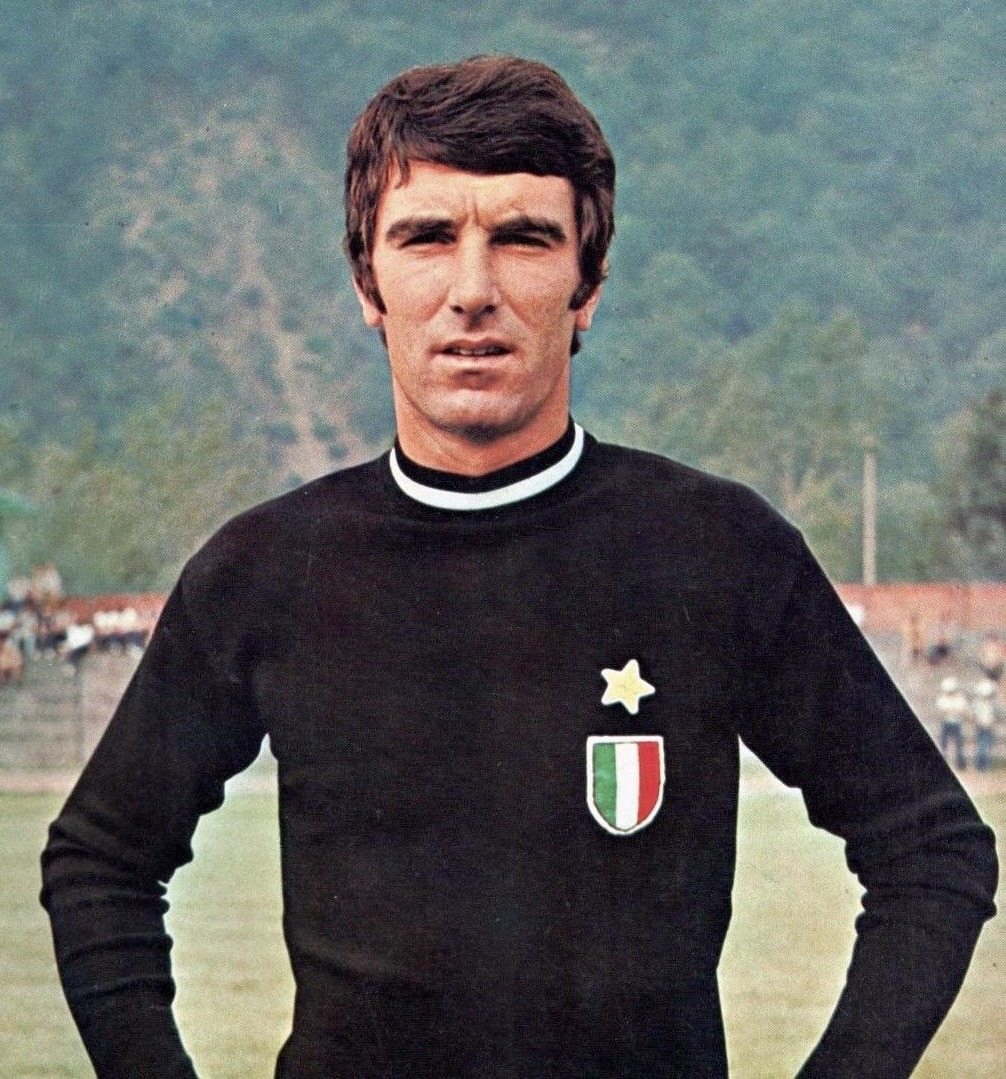
Dino Zoff is a name that resonates with football enthusiasts around the world, particularly those who cherish the golden age of Italian football. His career, spanning over two decades, is a testament to his skill, resilience, and unparalleled dedication to the sport. This article delves into the life of Dino Zoff, from his early years and rise to fame to his enduring legacy in the football world.
Early Life and Beginnings
Dino Zoff was born on February 28, 1942, in Mariano del Friuli, a small town in the province of Gorizia, Italy. Growing up in a modest family, Zoff’s early life was characterized by a strong work ethic and a love for sports, particularly football. His passion for the game was evident from a young age, and despite facing physical challenges—being initially deemed too short to be a goalkeeper—Zoff persevered. His determination paid off when he experienced a late growth spurt, which helped him secure his first opportunities in professional football.
Rise to Fame: The Early Years
Zoff made his Serie A debut on September 24, 1961, with Udinese, marking the beginning of an illustrious career. After his stint with Udinese, he moved to Mantova in 1963 and then to Napoli in 1967, where he truly began to make his mark. His performances were nothing short of remarkable, showcasing his ability to remain calm under pressure, a trait that would become his hallmark. By the time he joined Juventus in 1972, Zoff was already recognized as one of the most promising goalkeepers in Italy.
The Juventus Era: Dominance and Records
Dino Zoff’s time at Juventus is arguably the most defining period of his career. Joining the Turin-based club in 1972, Zoff quickly established himself as the team’s first-choice goalkeeper, a position he would hold for over a decade. His time at Juventus was filled with triumphs, both domestically and internationally. Zoff won six Serie A titles (1973, 1975, 1977, 1978, 1981, and 1982), two Coppa Italia titles (1979 and 1983), and the UEFA Cup in 1977. These victories cemented his reputation as a legend of the game.
Zoff’s most remarkable achievement during his Juventus years was setting two long-standing records. First, he maintained a clean sheet for 903 minutes during the 1972-73 season, a record that stood for over a decade. Second, he remained unbeaten in international play for 1,134 minutes between September 1972 and June 1974, an extraordinary feat that highlighted his consistency and reliability on the field.
International Glory: The 1982 World Cup
If there is one moment that encapsulates Dino Zoff’s legendary status, it is the 1982 FIFA World Cup. At 40 years old, Zoff captained the Italian national team to victory in Spain, becoming the oldest player to win the World Cup, a record that still stands today. The tournament was the crowning glory of Zoff’s career, showcasing his leadership, composure, and incredible goalkeeping skills. Italy’s 3-1 victory over West Germany in the final was not just a win for the team, but a personal triumph for Zoff, who lifted the trophy as captain, a symbol of his enduring legacy.
Leadership and Legacy
Zoff’s leadership extended beyond his goalkeeping duties. His calm demeanor, both on and off the pitch, earned him respect from teammates and opponents alike. His ability to maintain focus and inspire confidence was instrumental in Italy’s World Cup campaign and in Juventus’s numerous victories. Zoff was more than just a player; he was a leader whose influence was felt throughout the team.
The Final Years and Retirement
Dino Zoff retired from professional football in 1983, after a disappointing season that saw Italy fail to qualify for the 1984 European Championship and Juventus lose the European Cup final to Hamburg. Despite these setbacks, Zoff’s final match for Italy, a 2-0 defeat against Sweden on May 29, 1983, marked the end of an era. Zoff left the pitch with his head held high, having given his all to the sport he loved.
Transition to Coaching and Management
After retiring as a player, Zoff transitioned to coaching and management, bringing the same level of dedication and discipline that characterized his playing career. He began as a goalkeeping coach for Juventus before being appointed as the head coach of the Italian Olympic team. Zoff’s coaching career saw him return to Juventus, where he won the Coppa Italia and the UEFA Cup in 1990.
Zoff’s managerial career also included stints with Lazio, where he served both as coach and later as a club official, and a brief period as the head coach of the Italian national team from 1998 to 2000. His time with the national team was marked by his unwavering principles, which ultimately led to his resignation in 2000 following criticism from then-Prime Minister Silvio Berlusconi. Zoff’s decision to step down was seen as a testament to his integrity, a trait that had defined his entire career.
The Autobiography: A Reflection on a Storied Career
In 2014, Dino Zoff published his autobiography, “Dura Solo un Attimo, la Gloria – La Mia Vita” (Glory Only Lasts a Moment – My Life), offering a deeply personal insight into his life and career. The book reflects on his experiences, the people who influenced him, including his close friend and coach Enzo Bearzot, and the values instilled in him by his family. Zoff’s autobiography is not just a recounting of his achievements but a reflection on the sacrifices, challenges, and joys of a life dedicated to football.
The Legacy of Dino Zoff
Dino Zoff’s legacy extends far beyond his records and trophies. He is remembered as one of the greatest goalkeepers of all time, a player whose career set the standard for excellence in goalkeeping. His calmness, reliability, and leadership have made him a role model for generations of footballers. Zoff’s influence on the game continues to be felt, and his story serves as an inspiration to all who aspire to greatness in any field.
Zoff’s life is a testament to the power of perseverance, humility, and dedication. From his early days in Mariano del Friuli to lifting the World Cup trophy in Madrid, Zoff’s journey is a story of a man who never stopped striving to be the best. His achievements are etched in the annals of football history, and his name will forever be synonymous with greatness.
Conclusion
Dino Zoff’s story is one of resilience, determination, and excellence. As one of football’s greatest legends, his contributions to the sport are immeasurable. From his record-setting performances with Juventus to leading Italy to World Cup glory, Zoff’s legacy is one of a true champion. His life and career continue to inspire not just footballers, but anyone who seeks to achieve greatness through hard work and dedication.


