
Introduction
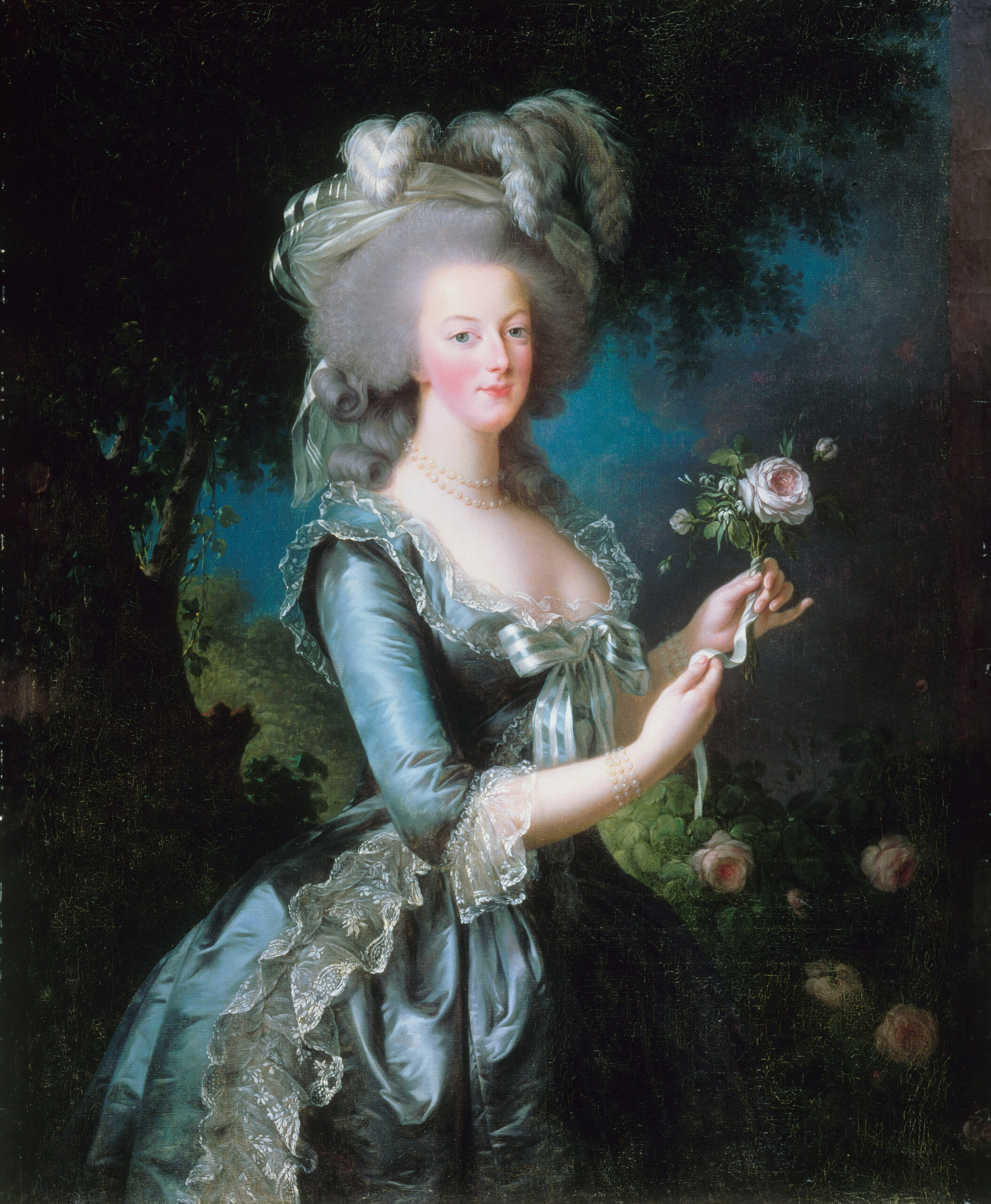
Maria Antonietta, born as Maria Antonia Josepha Johanna on November 2, 1755, in Vienna, Austria, was one of the most iconic and controversial figures of the 18th century. As the last Queen of France before the French Revolution, her life was marked by opulence, political intrigue, and ultimately, tragedy. Her name has become synonymous with the excesses of the French monarchy, and her story is one of the most compelling in European history. This article provides a detailed exploration of Maria Antonietta’s age, fame, life highlights, and the historical context that shaped her legacy.
Early Life and Background
Maria Antonietta was the 15th child of Empress Maria Theresa of Austria and Emperor Francis I. Growing up in the opulent Habsburg court, she was groomed from an early age for a life of political alliances and royal duties. Her early education was relatively informal, focusing more on music, dance, and etiquette rather than academics, a factor that would later contribute to her image as a frivolous and out-of-touch queen.
Her mother, Maria Theresa, was a formidable ruler who sought to strengthen Austria’s position in Europe through strategic marriages. The most significant of these was Maria Antonietta’s betrothal to Louis-Auguste, the Dauphin of France, a union designed to solidify the alliance between Austria and France. At the tender age of 14, Maria Antonia left her homeland to become Maria Antonietta, Dauphine of France.
Arrival in France and Marriage
Maria Antonietta’s arrival in France was marked by grandeur and expectation. The marriage to Louis-Auguste, the future Louis XVI, was a crucial political move, but it was also a union fraught with difficulties from the outset. Louis was shy, awkward, and deeply influenced by his advisors, while Maria Antonietta was lively, sociable, and eager to embrace the luxurious lifestyle of the French court.
Despite the public celebrations, the marriage was not immediately consummated, leading to widespread speculation and gossip at the court. This issue became a significant source of tension, both personally for Maria Antonietta and politically for the Franco-Austrian alliance. It wasn’t until seven years later, after Louis underwent a minor surgery to correct a physical problem, that the marriage was consummated, and Maria Antonietta gave birth to her first child.
Queen of France
In 1774, following the death of Louis XV, Maria Antonietta became Queen of France alongside her husband, now King Louis XVI. Her role as queen placed her at the heart of French politics, but it also exposed her to the intense scrutiny and criticism of the public and the court. She was quickly labeled as a symbol of the excesses of the monarchy, earning her the infamous nickname “Madame Déficit” due to her extravagant spending on fashion, jewels, and her personal retreats like the Petit Trianon.
The financial strain on France was becoming increasingly severe, and Maria Antonietta’s lavish lifestyle made her a target for public resentment. The famous (though likely apocryphal) quote, “Let them eat cake,” attributed to her during a bread shortage, epitomized the disconnect between the monarchy and the suffering of the French people.
The French Revolution
By the late 1780s, France was in a state of crisis. Economic hardship, rising bread prices, and the influence of Enlightenment ideas were fueling discontent among the French populace. The situation reached a boiling point in 1789 with the convening of the Estates-General, a body that had not been called together since 1614. The Estates-General quickly transformed into the National Assembly, signaling the beginning of the French Revolution.
Maria Antonietta’s position became increasingly precarious as the revolution gained momentum. Her attempts to influence her husband’s policies and her secret correspondence with foreign powers to garner support for the monarchy only served to deepen suspicions and animosity towards her. She was perceived not only as a foreigner but as an enemy of the revolution, conspiring to undermine the will of the people.
The storming of the Bastille on July 14, 1789, marked a turning point. The royal family was forced to move from Versailles to the Tuileries Palace in Paris, effectively becoming prisoners of the revolutionaries. The situation deteriorated further when the royal family attempted to flee Paris in June 1791. The escape plan failed, and the family was captured in Varennes, leading to widespread outrage and sealing their fate.
Imprisonment and Trial
After the failed escape, the royal family was imprisoned in the Temple, a medieval fortress in Paris. During this time, Maria Antonietta’s influence and spirit began to wane, but she remained steadfast in her loyalty to the monarchy and her family. Her husband, Louis XVI, was tried and executed by guillotine on January 21, 1793, leaving Maria Antonietta as the most hated woman in France.
Maria Antonietta’s own trial followed in October 1793. The charges against her were numerous, including accusations of treason, depleting the national treasury, and even an outrageous claim of incest with her son. Despite the lack of substantial evidence, the revolutionary tribunal found her guilty, and she was sentenced to death.
On October 16, 1793, Maria Antonietta was executed by guillotine in the Place de la Révolution. Her final moments were marked by dignity and composure, a stark contrast to the chaotic and violent end of her reign.
Legacy and Cultural Impact
Maria Antonietta’s life and death have left a lasting legacy that continues to fascinate historians, writers, and the general public. She has been portrayed in countless books, films, and other media, often depicted as a tragic figure caught between her royal duties and the revolutionary forces that sought to destroy her world.
In the years following her death, Maria Antonietta’s image underwent a transformation. Initially vilified as a symbol of royal excess and decadence, she later came to be seen as a martyr of the revolution, a woman who, despite her flaws, faced her downfall with grace. The Romantic movement of the 19th century played a significant role in reshaping her legacy, emphasizing her human qualities and the personal tragedies she endured.
Her story also serves as a cautionary tale about the dangers of disconnect between rulers and their people. Maria Antonietta’s life, filled with luxury and privilege, was ultimately out of touch with the realities faced by the majority of her subjects. This disconnect, coupled with her perceived indifference to the suffering of the French people, contributed to the downfall of the monarchy and the rise of the French Republic.
Historical Context and Nuances
Maria Antonietta’s life cannot be fully understood without considering the broader historical context of the 18th century. Her marriage to Louis XVI was not just a personal union but a political alliance between Austria and France, two of the most powerful empires in Europe. The pressures of maintaining this alliance, coupled with the growing influence of Enlightenment ideas, created an environment of political and social tension that would eventually erupt into revolution.
The financial crisis that plagued France during Maria Antonietta’s reign was the result of years of mismanagement, costly wars, and a tax system that placed the burden on the poorest citizens. While Maria Antonietta’s spending certainly contributed to the perception of royal excess, it was only one factor in a much larger economic collapse.
Moreover, the role of women in 18th-century Europe was largely confined to the private sphere, yet Maria Antonietta found herself in a highly public and political role as queen. Her attempts to navigate this complex position, while maintaining her identity and personal interests, were met with hostility from both the court and the public. Her every action was scrutinized and often misinterpreted, contributing to the image of her as a frivolous and out-of-touch monarch.
Conclusion
Maria Antonietta remains one of history’s most enigmatic and misunderstood figures. Her life was a complex interplay of personal desires, political responsibilities, and the tumultuous events of her time. From her early days as a young Austrian archduchess to her tragic end as the Queen of France, Maria Antonietta’s story is a poignant reminder of the fragility of power and the human cost of political upheaval.
As we reflect on her life, it is important to remember that Maria Antonietta was not just a symbol of a dying monarchy, but also a woman who faced extraordinary challenges with courage and resilience. Her legacy continues to be a subject of fascination, offering valuable insights into the dynamics of power, the role of women in history, and the complexities of the human experience.


